If you think exercise is boring, you clearly haven’t heard these fun fitness facts. From jaw-dropping body mechanics to surprising workout science, the human body is a masterpiece of biology.
Whether you’re a gym regular or just starting your fitness journey, these facts will shift the way you see physical movement. And the best part? They’ll actually keep you motivated.
So let’s dive in. You’re about to discover 25 fun fitness facts that are not just entertaining they’re backed by real science.
Table of Contents
1. Why Fitness Facts Actually Matter
Most people quit exercise because it feels like a chore. However, understanding why your body responds to movement can make workouts feel meaningful.
Fun fitness facts are more than trivia. They give context. They show you the “why” behind the grind. And that “why” is often exactly what keeps people consistent.
Additionally, knowing how your body works builds smarter habits not harder ones.

2. Fun Facts About the Human Body and Exercise
These fun fitness facts start with the most fascinating machine you own your body.
Fact 1: Your heart beats over 100,000 times a day. Even at rest, your heart works nonstop. During exercise, it pumps 5x more blood per minute than normal. That’s remarkable efficiency.
Fact 2: Muscles are made of tiny fibers and they literally tear when you train. Don’t panic. This is good. Microtears in muscle fibers trigger repair and growth. That’s how you get stronger.
Fact 3: Bone density increases with resistance exercise. Weight-bearing activity stimulates bone-forming cells. Therefore, strength training protects you from osteoporosis as you age.
Fact 4: Your body has over 600 muscles. They work in pairs and groups. No muscle ever works truly alone. Even a simple walk activates dozens of them simultaneously.
Fact 5: Sweat is mostly water not toxins. Sweating cools your body down. It doesn’t “detox” you. Your liver and kidneys handle that. But staying hydrated during workouts is still critical.
Fact 6: The human body can store about 2,000 calories of glycogen. This is your body’s quick-access fuel tank. Marathon runners often “hit the wall” when this runs out, which is why fueling mid-race matters.
Fact 7: You burn more calories digesting protein than carbs or fat. The thermic effect of food is highest for protein up to 30% of its calories are used just to digest it.
3. Surprising Facts About Strength Training
Strength training is often misunderstood. These fun fitness facts about lifting will likely surprise you.
Fact 8: Women won’t get “bulky” from lifting weights. Women have significantly lower testosterone than men. Therefore, strength training sculpts and tones rather than bulking up. It’s one of the biggest fitness myths debunked by science.
Fact 9: Muscle burns more calories at rest than fat. One pound of muscle burns roughly 6–10 calories per day at rest. Fat burns about 2. This is why building muscle is a long-term metabolism booster.
Fact 10: You continue to burn calories after lifting for hours. This is called Excess Post-Exercise Oxygen Consumption (EPOC). Your body keeps working to restore oxygen levels and repair tissue after a heavy session.
Fact 11: You can build muscle without going to a gym. Bodyweight exercises push-ups, squats, lunges create significant muscle overload. Consistency matters more than equipment.
Fact 12: Strength training improves insulin sensitivity. This is especially important for people managing blood sugar. Exercise helps your cells use glucose more efficiently. You can learn more in our guide on muscle mass and metabolic health.
4. Cardio Facts You Probably Never Knew
Cardio is often the go-to for weight loss. However, these facts reveal a more nuanced picture.
Fact 13: Running burns roughly 100 calories per mile regardless of speed. Faster isn’t necessarily better for calorie burn per mile. However, speed affects total time and cardiovascular intensity.
Fact 14: Walking is underrated. A brisk 30-minute walk burns 100–200 calories, improves mood, lowers blood pressure, and supports joint health. If you’re debating between morning and evening walks, check out our breakdown: Morning vs Night Walk for Weight Loss.
Fact 15: Your VO2 max is one of the strongest predictors of longevity. VO2 max measures how well your body uses oxygen during exercise. Higher scores are linked to longer life spans and lower disease risk.
Fact 16: Just 150 minutes of moderate cardio per week meets global health guidelines. That’s about 21 minutes per day. Most people overestimate how much exercise they need to see real benefits.
Fact 17: Cycling is easier on the joints than running. It delivers similar cardiovascular benefits with significantly less impact stress on knees and hips. Therefore, it’s ideal for people with joint issues.
Fact 18: Swimming works nearly every muscle group simultaneously. It also improves lung capacity and is extremely low-impact. Many physical therapists recommend it for injury recovery.

5. Fun Facts About Calories and Fat Burning
Let’s talk about calories and bust a few myths along the way.
Fact 19: Fat cells don’t disappear they shrink. When you lose fat, fat cells release stored triglycerides. The cells themselves remain. This explains why fat can return easily without lifestyle maintenance.
Fact 20: You exhale most of the fat you lose. Scientists have confirmed that about 84% of fat is exhaled as CO2 through breathing. The rest leaves as water through sweat and urine.
Fact 21: “Spot reduction” is a myth. You cannot target fat loss in a specific area by exercising that area. Fat loss is systemic. However, targeted exercise builds muscle underneath, improving appearance.
Fact 22: Eating too little can slow fat loss. When you drastically cut calories, your body reduces metabolic rate to conserve energy. This is why crash diets often backfire.
Fact 23: The number on the scale is often misleading. Muscle is denser than fat. Therefore, someone who exercises and gains muscle while losing fat may weigh more but look leaner and healthier.
Use Our Calorie Calculator to Track Your Burn
Want to know how many calories your body actually needs? Our free Calorie Calculator gives you a personalized estimate based on your age, weight, height, and activity level.
Stop guessing start knowing. It takes less than 60 seconds.
6. Mental Health and Exercise: The Mind-Blowing Facts
Exercise isn’t just physical. These fun fitness facts reveal how deeply movement affects your mind.
Fact 24: Exercise reduces anxiety as effectively as some medications. Multiple studies show that regular aerobic exercise lowers anxiety symptoms comparably to low-dose medication in certain populations.
Fact 25: One workout can improve your mood for up to 12 hours. Exercise triggers endorphins, dopamine, and serotonin three key neurotransmitters linked to happiness and calm. This effect is fast and reliable.
Fact 26: Regular exercise reduces the risk of depression by up to 35%. The link between physical activity and mental well-being is well-documented. For more on this topic, visit our in-depth guide on depression symptoms, causes, and treatment.
Fact 27: Exercise improves memory and learning. Physical activity increases brain-derived neurotrophic factor (BDNF), a protein that supports neuron growth and cognitive function.
Fact 28: Even light activity reduces mental fatigue. A short walk or light stretching session can break the cycle of mental drain. You don’t need an intense workout to feel the benefits.
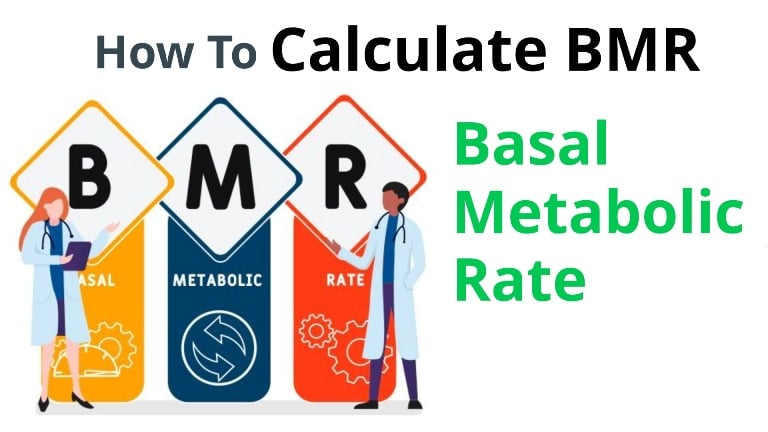
7. Use Our BMR Calculator to Personalize Your Fitness
Know Your Baseline — Free BMR Calculator
Before you optimize your fitness routine, you need to understand your Basal Metabolic Rate (BMR). This is the number of calories your body burns at complete rest just to keep you alive.
Enter your age, gender, height, and weight. In seconds, you’ll get:
- Your daily calorie burn at rest
- A baseline for building your nutrition plan
- Guidance to avoid under or overeating
Additionally, pair it with our TDEE Calculator to calculate your total daily energy expenditure including activity.
8. Fitness Facts for Women
These fun fitness facts are especially relevant for women navigating hormones, energy, and body composition.
Fact 29: Women’s fitness performance changes across the menstrual cycle. Hormonal fluctuations affect strength, endurance, and recovery. Many women find they train better in the follicular phase (first half of cycle).
Fact 30: Creatine benefits women just as much as men. Despite being marketed primarily to men, creatine supports muscle strength, recovery, and cognitive function in women. Read more: Creatine for Women: Benefits.
Fact 31: Women have higher relative endurance than men. Research shows women fatigue more slowly during sustained effort. Therefore, they often outperform men in ultra-endurance events relative to body size.
Fact 32: Strength training reduces PMS symptoms. Regular resistance training has been shown to ease menstrual cramping, bloating, and mood swings in multiple clinical studies.
9. Fitness Facts for Men
Fact 33: Men lose muscle mass faster than women after 30. Starting around age 30, men lose approximately 3–8% of muscle per decade without resistance training. This is why early strength training is an investment.
Fact 34: Low testosterone significantly affects fitness performance. Energy, strength, and recovery are all tied to testosterone levels. If you’ve noticed unexplained changes in your fitness results, explore our guide on low testosterone symptoms in men.
Fact 35: Men’s resting metabolic rate is typically higher than women’s. On average, men burn more calories at rest due to greater muscle mass and body size. However, this advantage decreases with age and inactivity.
10. Practical Tips to Apply These Facts
Knowing facts is one thing. Using them is another. Here are simple ways to apply what you’ve just learned.
Tip 1: Add one strength session per week. Even one resistance workout per week is enough to begin improving muscle mass and insulin sensitivity.
Tip 2: Walk more — consistently. Don’t underestimate walking. Aim for 7,000–10,000 steps daily. It adds up significantly over time.
Tip 3: Prioritize protein in every meal. Due to the thermic effect of protein, your body works harder to digest it. Additionally, it supports muscle repair and keeps you full longer.
Tip 4: Track your calorie needs with real data. Use our Ideal Weight Calculator and Body Fat Calculator to set meaningful, accurate goals.
Tip 5: Exercise for your mental health too. Schedule workouts like appointments. Even 20 minutes of movement protects your mood, memory, and stress levels over time.
Tip 6: Sleep is part of your fitness plan. Muscle repair happens during deep sleep. Poor sleep undermines your workouts. Use our Sleep Calculator to find your ideal sleep window.
FAQ Fun Fitness Facts
Q1: What is the most surprising fitness fact? Perhaps the most surprising is that you exhale fat as CO2 when you lose weight. About 84% of every pound lost literally leaves your body through your breath.
Q2: How many calories does 30 minutes of exercise burn? It depends on the activity and your body weight. A 150-pound person burns roughly 150–400 calories in 30 minutes depending on intensity. Use our Calorie Calculator for a personalized estimate.
Q3: Is it true that muscle weighs more than fat? Technically, one pound of muscle and one pound of fat weigh the same a pound is a pound. However, muscle is denser, meaning it takes up less space. Therefore, a muscular person looks leaner at the same weight.
Q4: Can you get fit without going to a gym? Absolutely. Bodyweight training, walking, cycling, swimming, and home workouts can all build significant fitness. Consistency beats location every time.
Q5: How does exercise affect mental health? Exercise releases endorphins, dopamine, and serotonin all mood-boosting chemicals. Regular activity reduces anxiety, depression risk, and cognitive decline. Even a single session improves mood for up to 12 hours.
Q6: What are the best exercises for beginners? Walking, bodyweight squats, push-ups, and light resistance training are excellent starting points. They’re low-risk, effective, and require no equipment.
Q7: How much exercise does the body actually need per week? The WHO recommends at least 150 minutes of moderate aerobic activity per week, plus two strength sessions. That breaks down to just 21–22 minutes per day.
Conclusion
These fun fitness facts prove one thing beyond doubt your body is extraordinary. Every workout, every walk, and every healthy choice you make triggers a cascade of powerful biological events.
You don’t have to be a professional athlete to benefit from exercise. You just have to move. Consistently. Intelligently. With a little knowledge to back you up.
Now that you know the science behind the sweat, use our free health tools to make your fitness journey smarter:
- 👉 BMR Calculator
- 👉 Calorie Calculator
- 👉 TDEE Calculator
- 👉 Body Fat Calculator
- 👉 Ideal Weight Calculator
Start with facts. Build with action. The results will follow.
For more evidence-based health content, explore our Health & Fitness and Nutrition & Supplements categories.Share