
Why Heart-Healthy Eating Matters.
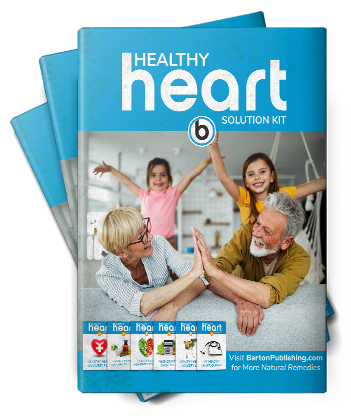
Healthy heart recipes can play a powerful role in supporting long-term cardiovascular wellness. Heart disease remains one of the leading health concerns worldwide, and diet has a major impact on overall heart health. Many people struggle to know which foods truly support the heart and which ones are simply marketed as “healthy.” The good news is that eating well does not require bland meals or extreme restrictions. By focusing on nutrient-dense ingredients and balanced healthy heart recipes, you can enjoy flavorful food while supporting healthy cholesterol, blood pressure, and circulation. Here is the Heart Healthy E-Book for your collection.
What Makes a Recipe Heart Healthy?
Heart-healthy recipes typically include foods rich in fiber, healthy fats, antioxidants, vitamins, and minerals while limiting excess sodium, added sugar, and heavily processed ingredients. The best meals for cardiovascular support often center around whole foods such as vegetables, fruits, legumes, lean proteins, nuts, seeds, and healthy oils.
Key heart-supporting nutrients include:
- Omega-3 fatty acids from fatty fish, walnuts, and flaxseeds
- Fiber from vegetables, oats, beans, and whole grains
- Potassium from bananas, sweet potatoes, and leafy greens
- Antioxidants from berries, tomatoes, and colorful vegetables
1. Grilled Salmon With Roasted Vegetables
Salmon is one of the best protein choices for heart health because it is rich in omega-3 fatty acids, which may support healthy triglyceride levels and overall cardiovascular function.
Ingredients:
- Salmon fillet
- Broccoli
- Bell peppers
- Zucchini
- Olive oil
- Garlic and lemon juice
Why It’s Heart Healthy:
This meal combines lean protein, healthy fats, and antioxidant-rich vegetables into one balanced plate.
2. Overnight Oats With Berries and Chia Seeds
A fiber-rich breakfast can support healthy cholesterol levels and provide long-lasting energy throughout the day.
Ingredients:
- Rolled oats
- Chia seeds
- Unsweetened almond milk
- Blueberries or strawberries
- Cinnamon
Why It’s Heart Healthy:
Oats contain beta-glucan fiber, which may help maintain healthy cholesterol, while berries add antioxidants and anti-inflammatory compounds.

3. Mediterranean Chickpea Salad
This no-cook recipe is ideal for lunch and is packed with plant-based nutrients.
Ingredients:
- Chickpeas
- Cherry tomatoes
- Cucumber
- Red onion
- Feta cheese (optional)
- Olive oil and lemon dressing
Why It’s Heart Healthy:
Chickpeas provide fiber and plant protein, while olive oil is a staple of the heart-friendly Mediterranean diet.
4. Avocado Turkey Wrap
A balanced high-protein meal perfect for quick lunches.
Ingredients:
- Whole-grain wrap
- Sliced turkey breast
- Avocado
- Spinach
- Tomato
- Mustard or hummus
Why It’s Heart Healthy:
Avocados contain monounsaturated fats that support healthy cholesterol balance.
5. Lentil and Vegetable Soup
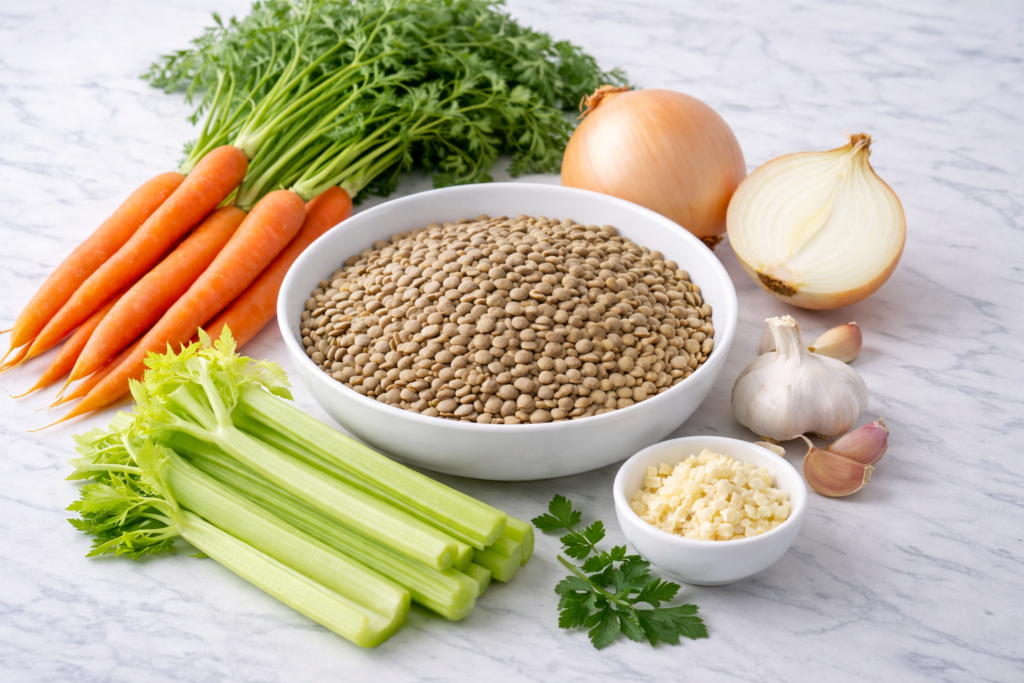
Lentils are an excellent source of fiber and plant-based protein.
Ingredients:
- Lentils
- Carrots
- Celery
- Onion
- Garlic
- Low-sodium vegetable broth
Why It’s Heart Healthy:
This filling soup supports satiety while helping reduce reliance on processed foods.
Tips for Making Any Recipe More Heart-Healthy
Even if a meal isn’t specifically labeled “heart-healthy,” small adjustments can improve its nutritional value:
- Replace butter with olive oil
- Use herbs instead of excess salt
- Swap white grains for whole grains
- Add vegetables to every meal
- Choose lean protein over processed meats
- Use Himalayan Pink Salt instead of Sea Salt
Products That May Support a Heart-Healthy Lifestyle
While food should always be the foundation, some people also use supportive supplements alongside a healthy diet:
- Fish oil or omega-3 supplements
- High-quality blood pressure monitors
- Meal prep containers for healthy eating consistency
- Heart-healthy cookbooks or recipe planners
Final Thoughts
Heart-healthy eating doesn’t have to be complicated. Building meals around whole foods, healthy fats, lean proteins, and fiber-rich carbohydrates can make a meaningful difference in long-term cardiovascular wellness. Start by incorporating one or two healthy heart recipes each week, and over time, these simple changes can become sustainable habits that support both heart health and overall well-being.