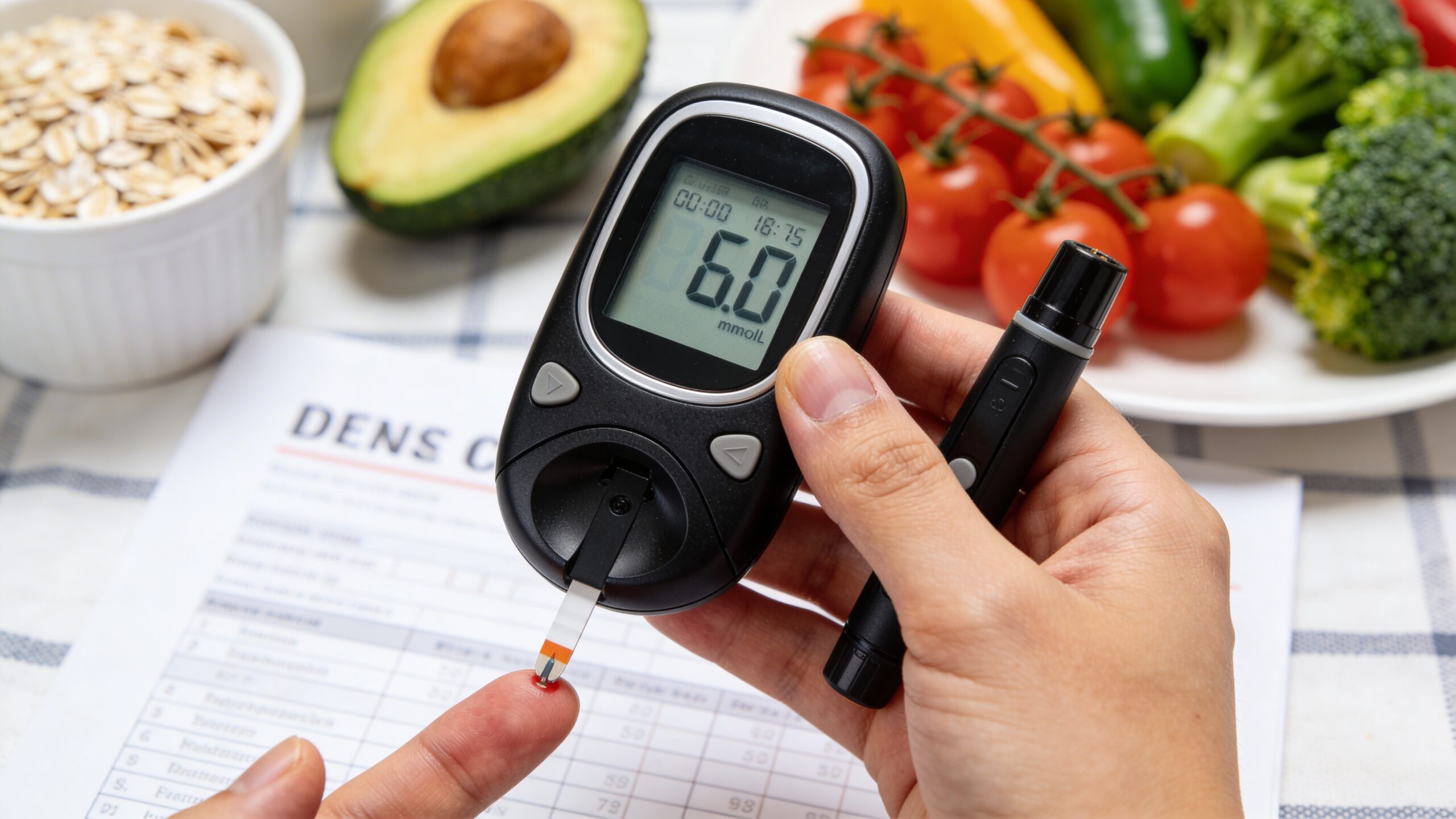
The landscape of diabetes care is transforming at an unprecedented pace. As we move through 2026, groundbreaking updates from the American Diabetes Association (ADA), revolutionary advances in precision medicine, and a fundamental shift in how we think about nutrition are reshaping what it means to live with and even reverse type 2 diabetes.
Whether you’ve been managing diabetes for years, have recently been diagnosed with prediabetes, or are simply committed to preventing metabolic disease, understanding these changes is essential. This comprehensive guide walks you through the most significant developments in diabetes and metabolic health for 2026, with practical takeaways you can use starting today.
Part 1: The New Standard of Care ADA 2026 Guidelines Explained
Every December, the American Diabetes Association releases its updated Standards of Care, and the 2026 edition, published in December 2025, brings changes that directly impact how diabetes is treated from diagnosis forward .
Continuous Glucose Monitoring: Now From Day One
Perhaps the most practice-changing update is the recommendation to consider continuous glucose monitoring (CGM) at the onset of diabetes and at any time thereafter to improve diabetes management outcomes .
Previously, CGM was often reserved for patients on intensive insulin regimens or those with frequent hypoglycemia. The 2026 guidelines remove these prerequisites, acknowledging that real-time glucose data benefits everyone with diabetes not just those on insulin.
What this means for you: If you’ve been diagnosed with diabetes, even if it’s type 2 managed with oral medications alone, you can now discuss CGM with your provider as a first-line tool. The data these devices provide about how food, activity, and stress affect your glucose can be transformative for making informed lifestyle choices.
The guidelines also now recommend that automated insulin delivery systems should be available to all adults with type 1 or type 2 diabetes who require insulin, especially those requiring multiple daily injections . This represents a significant expansion of access to technology that can dramatically improve quality of life and glucose control.
New Blood Pressure Targets for High-Risk Patients
Cardiovascular disease remains the leading cause of death in people with diabetes, which is why the ADA has introduced stricter blood pressure targets for those at highest risk :
- For individuals with high cardiovascular or kidney risk: Systolic blood pressure target of <120 mmHg
- For older adults when safely achievable: Target of <130/80 mmHg
- For those with poor health or limited life expectancy: A more relaxed goal of <140/90 mmHg
These targets reflect growing evidence that aggressive blood pressure control preserves kidney function and reduces cardiovascular events in the diabetes population.
Weight Loss: Now a Formal Treatment Goal
The 2026 guidelines include strengthened recommendations for weight management, including a specific target of 5% to 7% weight loss to improve hyperglycemia and other cardiometabolic risk factors .
Importantly, the guidelines now address individualized dosing for obesity pharmacotherapy, noting that dose selection and titration should balance efficacy, tolerability, cost, and overall benefit. For individuals with type 1 diabetes who also have obesity, treatment options may now include GLP-1 receptor agonist therapy and/or metabolic surgery .
This recognition that weight management is integral to diabetes care not merely a cosmetic concern represents a fundamental shift in treatment philosophy.
Part 2: The GLP-1 Revolution Continues
If you follow health news, you’ve likely heard about GLP-1 medications like semaglutide (Ozempic, Wegovy) and tirzepatide (Mounjaro, Zepbound). According to a recent U.S. News & World Report expert panel, GLP-1 expansion is the top health trend of 2026, chosen by 52% of polled experts .
Beyond Blood Sugar and Weight Loss
While these medications were initially developed for type 2 diabetes, research continues to reveal additional benefits:
- Cardiovascular protection: Reduced risk of heart attack and stroke
- Kidney disease prevention: Slowing progression of diabetic kidney disease
- Potential fertility benefits: Improving ovulation in women with PCOS
- Addiction reduction: Emerging evidence suggests possible benefits for alcohol and smoking cessation
“I think the explosion of GLP-1s use will continue, and with the cost decreasing, increased utilization will increase our understanding of the benefits and use for other health issues,” said Melina Jampolis, an internist and board-certified physician nutrition specialist, in the U.S. News report .
The Access Challenge
However, the promise of these medications comes with a critical caveat: access remains deeply unequal. As noted in a recent analysis from Diabetes In Control, “What happens when breakthrough treatments only reach the few who can afford or access them? That’s the growing dilemma in diabetes care” .
High copays, coverage restrictions, and prior authorization requirements keep GLP-1s out of reach for many patients, particularly the uninsured and underinsured. Clinics are now developing strategies to address this, including dedicated staff to handle prior authorizations, appeals, and financial assistance applications .
For patients: If your provider recommends a GLP-1 but you face insurance barriers, don’t give up. Ask about patient assistance programs, appeal processes, and whether your clinic has staff who can help navigate these challenges.
Part 3: The Rise of Precision Nutrition
One of the most exciting developments in 2026 is the maturation of precision nutrition—the idea that dietary recommendations should be tailored to an individual’s unique genetic makeup, metabolism, and even gut microbiome.
How Your Genes Interact With Food
A comprehensive review published in the International Journal of Molecular Sciences in February 2026 synthesizes recent research on how dietary components influence gene expression and epigenetic mechanisms involved in insulin signaling .
Key findings include:
- Very-low-calorie diets consistently induced coordinated modulation of key metabolic genes, including downregulation of glucose transporter type 4 (GLUT4) and upregulation of genes involved in fatty acid oxidation, reflecting improved insulin sensitivity .
- High-fat and fructose-rich diets promoted proinflammatory gene expression and immune activation, contributing to insulin resistance .
- Plant-based and vegan dietary patterns were associated with reduced epigenetic aging and improved insulin sensitivity through DNA methylation changes .
- Targeted interventions including vitamin D combined with probiotics, dietary fiber, and specific trace elements demonstrated favorable transcriptional and epigenetic effects linked to improved glycemic control .
The Metabolite Revolution
Another frontier in precision medicine involves metabolomics—the study of small molecules in your blood that reflect your body’s biochemical state.
A landmark study published in Nature Medicine analyzed data from more than 23,000 individuals and identified a 44-blood metabolite signature that may help predict type 2 diabetes risk beyond traditional risk factors .
“Integrating these data in large samples allowed us to identify early metabolic pathway changes that precede type 2 diabetes, providing new insights into disease mechanisms,” said Jun Li, MD, epidemiologist at Harvard Medical School and lead author of the study .
Perhaps most importantly, the researchers found that lifestyle factors notably physical activity, obesity, and diet—had a stronger effect on variations in T2D-associated metabolites than on variations in metabolites not associated with T2D. This underscores the profound influence lifestyle has on diabetes risk at the molecular level .
Practical Applications
While genetic and metabolomic testing aren’t yet routine in most clinical settings, the principles of precision nutrition can still guide your choices:
- Pay attention to your individual responses: Use a glucose meter or CGM to see how specific foods affect YOUR blood sugar not just what the textbooks say.
- Consider working with a registered dietitian who can help interpret your unique metabolic patterns.
- Focus on dietary patterns proven to reduce diabetes risk: Mediterranean-style and low-carbohydrate approaches are specifically highlighted in the 2026 ADA guidelines .
Part 4: Can Diabetes Be Reversed? The Evidence for Remission
Perhaps the most hopeful development in diabetes care is the growing recognition that type 2 diabetes remission is achievable for many people.
What Is Diabetes Remission?
Diabetes remission is defined as maintaining a hemoglobin A1c level of less than 6.5% for at least 3 months without the use of glucose-lowering medications .
This is different from “controlled” diabetes, where medications keep blood sugar in check. Remission means your body has recovered sufficient metabolic function to maintain normal glucose levels on its own.
The REPAIR Trial: Plant-Based for Remission
The REmission of diabetes using a PlAnt-based weight loss InteRvention (REPAIR) trial is investigating how a structured, plant-based approach can achieve diabetes remission in a multiethnic population .
The intervention includes:
- A 12-week total diet replacement phase using plant-based shakes
- A 40-week maintenance phase centered on the Portfolio Diet, a pattern rich in plant proteins, nuts, and viscous fibers
Why plant-based? Beyond simple caloric restriction, animal-derived products contain heme iron, which acts as a pro-oxidant that can damage insulin-producing pancreatic cells. Furthermore, animal proteins are rich in branched-chain amino acids associated with insulin resistance, whereas plant-derived polyphenols can inhibit pathways that promote obesity and metabolic dysfunction .
The Threshold for Metabolic Recovery
Research suggests that achieving weight loss of 15% or more may be a threshold for metabolic recovery in many individuals . This level of weight loss appears to reduce fat stored in the liver and pancreas, allowing these organs to function normally again.
Important caveat: Diabetes remission is most likely in those diagnosed within the last 6 years. The longer you’ve had diabetes, the more difficult remission becomes though improved control is always possible at any stage .
Part 5: The New Dietary Guidelines What’s Changed
In January 2026, the U.S. Departments of Health & Human Services and Agriculture issued new federal dietary recommendations that signal a paradigm shift in how we think about food and metabolic health .
Protein: Much More Than Previously Thought
One of the most notable updates is a substantial increase in recommended daily protein intake. The guidelines now advise adults to consume approximately 1.2 to 1.6 grams of protein per kilogram of body weight per day, compared with the long-standing recommendation of 0.8 grams per kilogram .
This change reflects accumulating evidence that higher protein intake supports:
- Muscle mass preservation (critical for metabolic health)
- Satiety and weight management
- Immune function
- Blood glucose stabilization
For a 70 kg (154 lb) person, this means increasing protein intake from about 56 grams per day to 84-112 grams daily.
Sugar: Zero Tolerance
The new guidelines take an unprecedented stance on added sugar: they do not qualify as a healthy part of a person’s diet .
If added sugar is consumed, the recommendation is no more than 10 grams per meal. This “zero-tolerance messaging” comes as a growing body of evidence confirms the link between added sugar consumption and obesity, insulin resistance, heart disease, and increased risk of developing type 2 diabetes .
“Our message is clear: Eat real food,” Robert F. Kennedy Jr., secretary of HHS, said at a White House briefing announcing the guidelines .
Ultra-Processed Foods: Officially Discouraged
The new guidance also discourages consumption of ultra-processed foods, which often contain high levels of added sugars, refined carbohydrates, sodium, and artificial additives .
Ultra-processed foods now account for a substantial portion of daily caloric intake in the United States and have been linked to increased risk of obesity, cardiovascular disease, and metabolic dysfunction.
Part 6: Technology and AI The New Care Partners
Wearables With Real-Time Metabolic Feedback
When health technology experts were asked to name the most important trend for 2026, 60% agreed that wearable devices providing real-time metabolic feedback topped the list .
These wearables—including advanced continuous glucose monitors, smart rings, and fitness trackers—provide immediate, personalized insights on how the body responds to food, exercise, and stress.
“From my perspective as an RDN, wearable devices like continuous glucose monitors and Oura rings offer an unmatched advantage,” said Raksha Shah, a registered dietitian, in the U.S. News report. “They provide immediate, personalized insights that empower individuals to make informed, actionable choices about their diet and lifestyle” .
AI in Diabetes Care
Artificial intelligence is increasingly being integrated into diabetes management, with applications including:
- Predicting complications: AI tools can flag patients at risk before problems become apparent
- Personalizing treatment recommendations: Based on individual data patterns
- Supporting remote care: Extending access to underserved areas
However, experts caution that technology alone isn’t enough. “When interpreted with guidance, and not in isolation, it can make behavior change more personal, timely, and potentially sustainable,” said Wendy Bazilian, a registered dietitian nutritionist .
Part 7: The Equity Imperative
As diabetes care becomes more technologically advanced, a critical question emerges: Who gets access?
Persistent Barriers
Despite promising innovations, several challenges continue to limit who benefits from advances in diabetes care :
- Cost and insurance: High copays and coverage restrictions keep GLP-1s and diabetes tech out of reach for many patients
- Geographic gaps: Specialty care remains limited in rural and low-income urban areas
- Digital access: Reliable internet, smartphones, and digital literacy are still not universal
- Clinician bias: Unconscious assumptions can lead to inequitable prescribing patterns
What Clinics Can Do
Forward-thinking clinics are implementing strategies to address these disparities :
- Prioritizing high-need patients through frameworks that identify those who would benefit most from advanced tools
- Supporting coverage navigation with dedicated staff for prior authorizations and appeals
- Building community partnerships for culturally relevant education and outreach
- Offering low-tech options for patients who can’t or don’t want to use technology
- Tracking and improving by monitoring who receives advanced treatments and addressing disparities
Part 8: Practical Takeaways for Your Health Journey
With all this information, what should you actually DO? Here are evidence-based action steps based on the 2026 guidelines and research:
If You Have Diabetes or Prediabetes
- Discuss CGM with your provider. The 2026 guidelines support it from diagnosis onward .
- Aim for 5-7% weight loss if you’re overweight. This modest goal can significantly improve glucose control .
- Increase protein intake to 1.2-1.6 g/kg body weight, focusing on lean sources .
- Virtually eliminate added sugar. The new guidelines recommend no more than 10 grams per meal .
- Consider a plant-focused eating pattern. The evidence for metabolic benefits continues to grow .
- Get 150 minutes of weekly activity plus resistance training 2-3 times per week .
- Know your numbers beyond glucose: Blood pressure (<130/80 for most), LDL cholesterol (<2.0 mmol/L or ~77 mg/dL), and kidney function .
Questions to Ask Your Healthcare Team
- “Based on the new 2026 ADA guidelines, should I be using CGM?”
- “Am I a candidate for GLP-1 medication, and what are the barriers to access?”
- “What’s my target blood pressure, and is it well controlled?”
- “Can you refer me to a registered dietitian who understands diabetes and precision nutrition?”
- “What’s my risk for kidney or eye complications, and when was I last screened?”