
Introduction
Most people wish they had a faster metabolism. But what happens when the body’s metabolic rate runs dangerously high? Hypermetabolism symptoms are more serious than many people realize, and recognizing them early can prevent significant health complications.
Hypermetabolism is a condition in which the body’s metabolic rate is significantly elevated above normal. The body burns through energy at an accelerated pace, placing enormous demand on organs, muscles, and nutrient stores. It is not simply about being “naturally slim” or having a “fast metabolism.” True hypermetabolism is a medical condition with identifiable causes and measurable consequences.
In this guide, you will learn exactly what hypermetabolism is, how to recognize its symptoms, what causes it, and what steps you can take to manage it effectively.
Table of Contents
What Is Hypermetabolism?
Hypermetabolism refers to a state in which the body’s basal metabolic rate (BMR) is significantly higher than expected. In this state, the body consumes far more energy than normal, even at rest.
Under normal conditions, your metabolism converts food into energy at a steady, predictable rate. In hypermetabolism, this process is accelerated far beyond what the body needs or can sustain. The body starts breaking down not just food, but its own tissues, including fat stores, muscle, and in severe cases, organ tissue, just to meet energy demands.
Hypermetabolism can be acute, as seen in burn victims or critically ill patients, or chronic, as seen in conditions like hyperthyroidism or certain cancers. Either way, the body is under significant physiological stress.
Understanding hypermetabolism is important not just for people with diagnosed conditions. Many people live with undiagnosed hypermetabolic states for months or years, attributing their symptoms to stress, poor sleep, or simply “the way they are.”

Key Hypermetabolism Symptoms
The symptoms of hypermetabolism span multiple body systems. Because the condition affects the entire body’s energy regulation, virtually every organ can be impacted.
Here are the most commonly reported hypermetabolism symptoms:
- Unexplained and rapid weight loss despite eating normally or more than usual
- Constant hunger that is difficult or impossible to satisfy
- Feeling hot all the time, even in cool environments
- Excessive sweating without physical exertion
- Rapid or irregular heartbeat (palpitations)
- Tremors or shaking of the hands
- Extreme fatigue despite adequate rest
- Muscle weakness and loss of muscle mass
- Frequent bowel movements or diarrhea
- Difficulty sleeping or staying asleep
- Anxiety, irritability, or nervousness
- Shortness of breath during light activity
- Thinning hair or hair loss
- Irregular menstrual cycles in women
If you are experiencing several of these symptoms together, especially unexplained weight loss, heat intolerance, and rapid heartbeat, it is important to seek medical evaluation promptly.
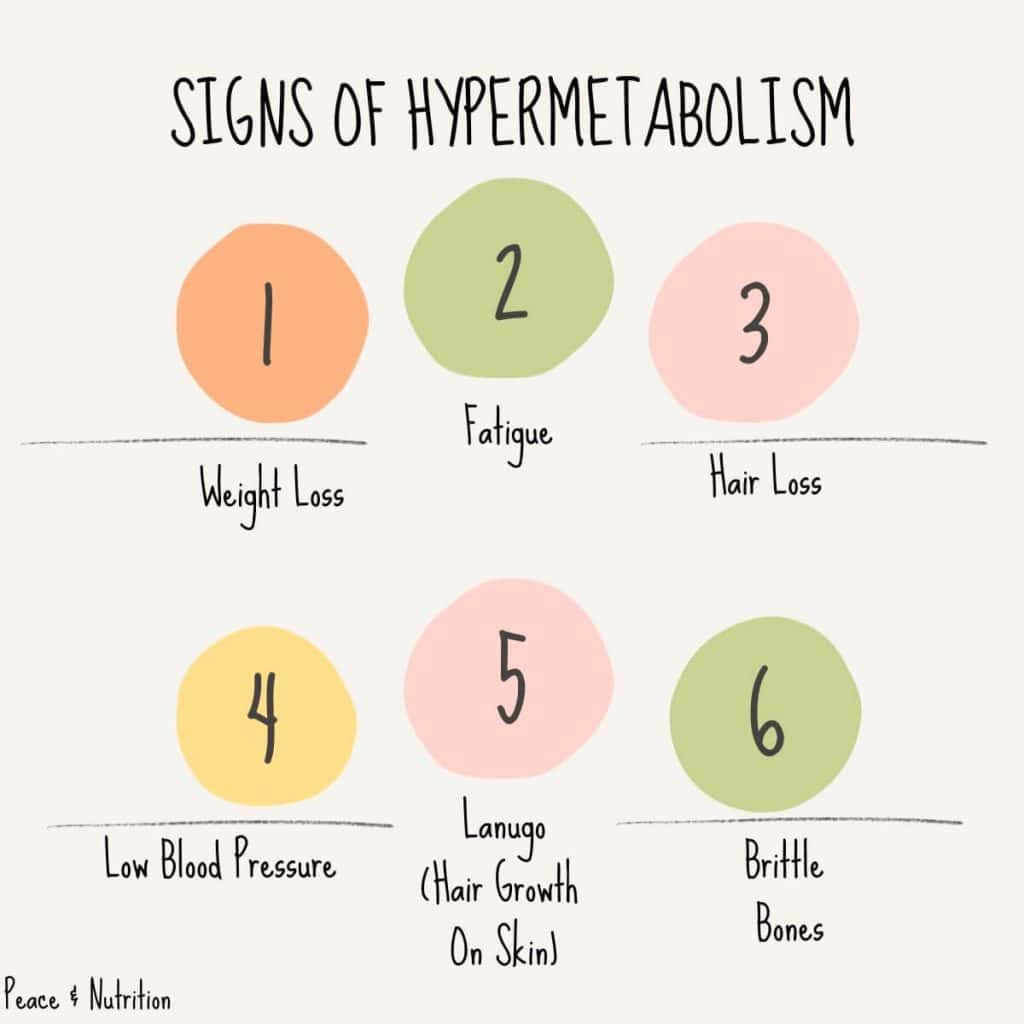
Physical Symptoms of Hypermetabolism
Let’s look more closely at the physical presentation of hypermetabolism symptoms and why they occur.
Unexplained Weight Loss
This is often the first and most alarming symptom. The body is burning through energy reserves faster than food can replenish them. Even people who eat large amounts of food may continue losing weight. This is distinct from intentional calorie restriction the weight loss feels uncontrolled and progressive.
For context on healthy versus unhealthy weight loss, read our guide on healthy fat loss and sustainable weight loss strategies.
Constant Hunger and Increased Appetite
Because the body is burning fuel rapidly, hunger signals become intense and persistent. This is the body’s natural response it is trying to increase fuel intake to match the elevated burn rate. Unfortunately, in hypermetabolism, intake rarely keeps pace with demand.
Heat Intolerance and Excessive Sweating
Accelerated metabolism generates more heat as a byproduct. The body struggles to dissipate this excess heat, leading to a constant feeling of warmth, flushing, and sweating regardless of the ambient temperature or activity level.
Rapid or Irregular Heartbeat
The cardiovascular system works harder during hypermetabolism. The heart beats faster to circulate nutrients and oxygen to tissues, burning energy at an elevated rate. Palpitations, the feeling of a racing, pounding, or fluttering heartbeat, are a hallmark symptom, particularly in thyroid-related hypermetabolism.
Muscle Weakness and Wasting
When the body cannot get enough energy from food alone, it begins breaking down muscle tissue for fuel a process called catabolism. Over time, this leads to visible muscle wasting, weakness, and reduced physical capacity.
This is why muscle mass and metabolic health are so deeply connected. Learn more in our detailed article on muscle mass and metabolic health.
Frequent Bowel Movements
An overactive metabolism accelerates gut motility, the speed at which food moves through the digestive tract. This leads to frequent, often loose bowel movements and can interfere with proper nutrient absorption, worsening the nutritional deficits already caused by hypermetabolism.
Tremors
Fine hand tremors are a common physical sign, particularly in hyperthyroidism-related hypermetabolism. The nervous system becomes overstimulated by elevated thyroid hormones, causing involuntary muscle tremors.
Hair Thinning and Skin Changes
Rapid cellular turnover and nutritional depletion cause the hair follicles to weaken, leading to noticeable hair loss or thinning. Skin may become warm, moist, and thin. Nails may become brittle.
Mental and Emotional Symptoms
Hypermetabolism not only affects the body. The brain and nervous system are significantly impacted too. Mental and emotional hypermetabolism symptoms include:
Anxiety and Nervousness
Elevated metabolic activity, particularly when driven by thyroid hormones or adrenaline, stimulates the nervous system. This creates a constant state of low-grade anxiety, restlessness, and an inability to relax. Many people with undiagnosed hypermetabolism are misdiagnosed with generalized anxiety disorder first.
Irritability and Mood Swings
The combination of poor sleep, physical discomfort, and hormonal imbalance creates significant mood instability. Small frustrations feel disproportionately overwhelming. Emotional regulation becomes difficult.
Difficulty Concentrating
Despite feeling wired or alert, people with hypermetabolism often struggle to focus. The mind races but cannot settle on a single thought. This cognitive restlessness interferes with work, relationships, and daily tasks.
Insomnia and Sleep Disturbances
The nervous system remains in a hyper-activated state even at night. Falling asleep becomes difficult, and staying asleep is even harder. Poor sleep then worsens every other symptom, creating a vicious cycle.
For natural sleep support strategies, read our article on insomnia: symptoms, causes, and treatment.
Depression (in Chronic Cases)
Prolonged hypermetabolism depletes the body’s resources, including neurotransmitter precursors. Over time, some people develop depressive symptoms as the nervous system becomes exhausted. This is more common in chronic, untreated cases.
Common Causes of Hypermetabolism
Understanding what drives hypermetabolism helps clarify why symptoms develop and how to treat them most effectively.
Hyperthyroidism
This is the most common cause of chronic hypermetabolism. The thyroid gland produces excessive amounts of thyroid hormones (T3 and T4), which directly accelerate metabolism throughout the body. Graves’ disease an autoimmune condition is the leading cause of hyperthyroidism.
Fever and Infection
For every 1°C (1.8°F) rise in body temperature, metabolic rate increases by approximately 10 to 13 percent. Severe infections, sepsis, or prolonged fever can therefore trigger significant hypermetabolism.
Severe Burns
Burn injuries are one of the most extreme triggers of hypermetabolism. The body enters a prolonged hypermetabolic state to support tissue repair, immune function, and heat regulation. This can persist for months after the initial injury.
Cancer
Certain cancers, particularly those of the lymphatic system, liver, or pancreas, can drive hypermetabolism. Tumor cells consume enormous amounts of glucose, and the immune response further elevates metabolic rate. Unexplained weight loss in cancer patients is often partially driven by this mechanism.
Trauma and Critical Illness
Major surgery, traumatic injuries, or serious illness trigger a systemic stress response that dramatically elevates metabolism. This is why critically ill patients require aggressive nutritional support.
Chronic Stress and Adrenal Overactivity
Elevated adrenaline (epinephrine) and cortisol from chronic stress can push the body into a sustained hypermetabolic state. While milder than clinical hypermetabolism, this can still cause many of the same symptoms over time.
To understand the stress-metabolism connection more deeply, read our article on low cortisol vs high cortisol.
Certain Medications and Stimulants
Excessive caffeine, stimulant medications, and some weight loss drugs can artificially elevate metabolic rate. Misuse of thyroid medications is also a known cause.
Pheochromocytoma
This rare adrenal gland tumor secretes excessive adrenaline and noradrenaline, causing episodic or sustained hypermetabolism with dramatic symptoms including hypertension, sweating, and heart palpitations.
How Is Hypermetabolism Diagnosed?
Diagnosing hypermetabolism involves a combination of clinical evaluation and laboratory testing. A doctor will typically:
- Review your full symptom history and timeline
- Order thyroid function tests (TSH, Free T3, Free T4)
- Check resting metabolic rate through indirect calorimetry
- Run blood panels for blood glucose, inflammatory markers, and nutritional deficiencies
- Measure heart rate and blood pressure
- Order imaging (ultrasound or scan) if a tumor or structural issue is suspected
Early diagnosis is important. Many of the complications of untreated hypermetabolism, including heart problems, bone loss, and muscle wasting, are largely preventable with timely treatment.
Use Our Tools to Understand Your Metabolism
If you suspect your metabolism is running abnormally fast, these free tools can help you establish a baseline understanding of your body’s energy needs and identify potential discrepancies.
Calculate Your Basal Metabolic Rate (BMR)
Your BMR is the number of calories your body burns at complete rest. If your actual intake is far below this number but you are still losing weight rapidly, that is a meaningful signal worth discussing with your doctor. Use our BMR Calculator to get your personalized baseline number.
Calculate Your Total Daily Energy Expenditure (TDEE)
Your TDEE factors in your activity level alongside your BMR. People with hypermetabolism often find their actual calorie needs are dramatically higher than the TDEE estimate another useful diagnostic clue. Use our TDEE Calculator to calculate yours.
Track Your Body Composition with BMI
While BMI has limitations, tracking it over time can help you notice unexplained downward trends. Use our BMI Calculator to monitor your body mass index regularly.
Estimate Your Body Fat Percentage
Rapid muscle and fat loss are hallmarks of hypermetabolism. Use our Body Fat Calculator to track changes in body composition over time a more precise measure than weight alone.
These tools are free, fast, and give you real data to bring to your healthcare provider.
Hypermetabolism vs Normal Fast Metabolism
Many people confuse hypermetabolism with simply having a naturally fast metabolism. The distinction matters clinically.
| Feature | Normal Fast Metabolism | Hypermetabolism |
|---|---|---|
| Weight loss | Stable or gradual | Rapid and uncontrolled |
| Hunger | Moderate increase | Extreme and insatiable |
| Heart rate | Normal | Elevated / palpitations |
| Body temperature | Normal | Elevated / heat intolerance |
| Anxiety / tremors | Absent | Common |
| Sleep | Normal | Disrupted |
| Muscle loss | Absent | Progressive |
| Medical cause | None | Identifiable underlying condition |
| Onset | Lifelong trait | Sudden or progressive change |
The key distinguishing factor is change. If your metabolism has always been fast, that is likely constitutional. If it has become dramatically faster recently especially with symptoms like palpitations, tremors, or unexplained weight loss that warrants medical investigation.
How to Manage Hypermetabolism
Management of hypermetabolism depends entirely on identifying and treating the underlying cause. Here is an overview of the main approaches:
Treating the Root Cause
- Hyperthyroidism is treated with antithyroid medications, radioiodine therapy, or surgery
- Infections and fever are managed with appropriate antimicrobials and supportive care
- Burns and trauma require intensive nutritional support and specialized medical management
- Tumor-related hypermetabolism requires oncological treatment
- Stress-related hypermetabolism responds to lifestyle modification, stress reduction, and sometimes adaptogenic supplementation
Nutritional Support
Increasing caloric intake is essential to prevent further muscle and fat loss. This is not an invitation to eat junk food quality nutrition matters enormously. See the nutrition section below for specific guidance.
Medication
In thyroid-related hypermetabolism, beta-blockers are commonly prescribed to manage heart rate and tremors while the underlying condition is brought under control. This provides symptomatic relief while definitive treatment takes effect.
Rest and Stress Reduction
The nervous system needs support. Adequate sleep, reduced physical stress, and mindfulness practices all help lower the hypermetabolic state, particularly in stress- or adrenaline-driven cases.
Nutrition Strategy for Hypermetabolism
Fueling a hypermetabolic body correctly is one of the most important and often overlooked aspects of management.
Dramatically Increase Caloric Intake
People with true hypermetabolism may need 3,000 to 5,000 or more calories per day, sometimes even higher in acute cases like severe burns. Undereating accelerates muscle wasting and organ damage.
Prioritize Protein
Protein is essential to protect and rebuild muscle tissue. Aim for at least 1.5 to 2.5 grams of protein per kilogram of body weight per day. Include lean meats, fish, eggs, legumes, and dairy.
Eat Frequently
Rather than three large meals, aim for 5 to 6 smaller meals and snacks throughout the day. This keeps fuel coming in consistently, matching the body’s elevated demand.
Include Healthy Fats
Calorie-dense healthy fats, such as avocado, olive oil, nuts, seeds, and fatty fish, are an efficient way to increase caloric intake without excessive bulk. They also provide anti-inflammatory omega-3 fatty acids. Learn more about omega-3 fatty acids and their benefits.
Address Micronutrient Deficiencies
Hypermetabolism depletes vitamins and minerals rapidly. Key nutrients to monitor and supplement include:
- Magnesium critical for muscle function and nervous system regulation. Read about magnesium benefits, deficiency symptoms, and food sources
- Vitamin D3 and K2 support bone density, which is at risk in hyperthyroid hypermetabolism. Read our article on vitamin D3 and K2 benefits
- B vitamins essential for energy metabolism and nervous system health
- Zinc, selenium, and iron are often depleted in states of elevated metabolic demand
Stay Hydrated
Increased sweating and rapid metabolism accelerate fluid loss. Drink at least 2.5 to 3.5 liters of water per day. Electrolyte support may also be needed.
When to See a Doctor
Do not wait if you experience any of the following:
- Rapid, unexplained weight loss of more than 5% body weight over a few weeks
- Heart palpitations or irregular heartbeat
- Visible hand tremors
- Extreme fatigue combined with heat intolerance
- Severe anxiety or panic that appears suddenly with no clear psychological trigger
- Bulging eyes (a specific sign of Graves’ disease)
- Inability to gain weight despite eating significantly more than usual
These are red flag symptoms. A primary care physician or endocrinologist can run the appropriate tests and begin treatment quickly. Early intervention prevents the most serious complications, including heart failure, bone fractures, and severe malnutrition.
For related reading on metabolic health and disease prevention, explore our articles on early warning signs of type 2 diabetes and muscle mass and metabolic health.
FAQ Hypermetabolism Symptoms
1. What are the most common hypermetabolism symptoms?
The most commonly reported hypermetabolism symptoms include unexplained weight loss, constant hunger, heat intolerance, excessive sweating, rapid heartbeat, tremors, muscle weakness, anxiety, and sleep disturbances. Multiple symptoms appearing together, especially with a sudden onset, warrant medical evaluation.
2. What causes hypermetabolism?
The most common cause is hyperthyroidism, particularly Graves’ disease. Other causes include severe burns, trauma, critical illness, certain cancers, chronic infections, and, in some cases, chronic psychological stress with elevated adrenaline output.
3. Can hypermetabolism be cured?
In most cases, yes, if the underlying cause is identified and treated. Hyperthyroidism responds well to medication, radioiodine therapy, or surgery. Infection-related hypermetabolism resolves when the infection clears. Stress-related cases often improve significantly with lifestyle modification.
4. Is hypermetabolism the same as having a fast metabolism?
No. A naturally fast metabolism is a constitutional trait that is stable throughout life and does not cause symptoms. Hypermetabolism is a pathological state driven by an underlying condition, with a sudden or progressive onset and significant symptoms.
5. Can hypermetabolism cause heart problems?
Yes. Sustained elevated heart rate and cardiac output driven by hypermetabolism can lead to arrhythmias, heart failure, and in severe cases, cardiomyopathy. This is one of the most serious risks of untreated hyperthyroid hypermetabolism.
6. How many calories does someone with hypermetabolism need?
It varies widely depending on the cause and severity. Some individuals may need 3,000 to 5,000+ calories per day. Burn victims in acute hypermetabolic states may require even more. A registered dietitian can help calculate accurate needs based on metabolic testing.
7. Can supplements help with hypermetabolism?
Supplements cannot treat the underlying cause of hypermetabolism. However, they can help address the nutritional deficiencies that result, particularly magnesium, vitamin D3, omega-3 fatty acids, and B vitamins. Always work with a healthcare provider before starting any supplement regimen during a hypermetabolic state.
Conclusion
Hypermetabolism symptoms are the body’s way of signaling that something significant is wrong with its internal energy regulation. From rapid weight loss and constant hunger to heart palpitations and anxiety, these signs touch virtually every system in the body.
The good news is that hypermetabolism is diagnosable and, in most cases, very treatable. The key is recognizing the symptoms early, seeking prompt medical evaluation, and supporting the body with proper nutrition and care during treatment.
Use the free metabolic tools at Vitality Nexus to understand your body’s baseline energy needs. Explore our health and fitness resources for ongoing support. And never ignore symptoms that feel persistently out of the ordinary, your body is asking for attention, and it deserves it.