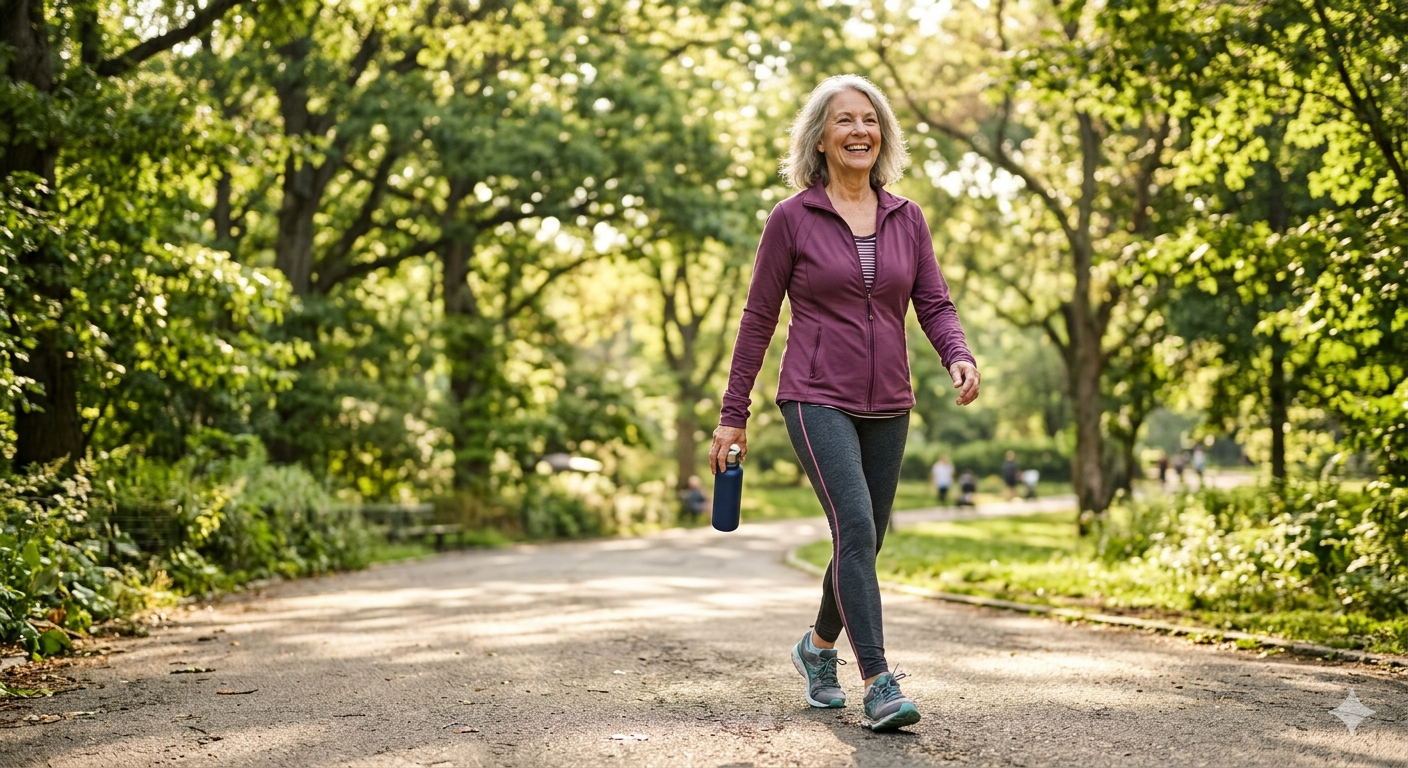
Getting older does not mean slowing down completely. In fact, staying active as you age is one of the single most important things you can do for your heart, your joints, your brain, and your overall quality of life.
The challenge is that not every type of exercise makes sense for older adults. High-impact workouts that involve running, jumping, or heavy lifting can put unnecessary stress on aging joints and increase the risk of injury. That is where low-impact cardio for seniors becomes genuinely life-changing.
Low impact cardio gives you all the cardiovascular and metabolic benefits of traditional exercise without the joint stress that makes so many older adults reluctant to move at all. In this guide, you will find ten of the safest and most effective options available, along with practical advice on how to get started and how to keep going.
Table of Contents
Why Low Impact Cardio Matters for Seniors
The benefits of regular cardiovascular exercise do not decrease with age. If anything, they become more important.
Regular cardio exercise helps older adults maintain a healthy heart, manage blood pressure, control blood sugar, support healthy weight, improve sleep quality, and reduce the risk of conditions like type 2 diabetes and cardiovascular disease. Beyond the physical benefits, consistent movement is one of the most powerful tools available for protecting cognitive function and reducing the risk of dementia as we age.
According to the World Health Organization, adults aged 65 and older should aim for at least 150 to 300 minutes of moderate intensity physical activity per week. Most older adults fall significantly short of this target, often because they believe vigorous exercise is the only kind that counts.
It is not. Low impact cardio for seniors done consistently at a moderate intensity produces most of the same cardiovascular and metabolic benefits as higher intensity exercise, with far less risk of injury, joint inflammation, or overexertion.
For more on how cardiovascular fitness connects to long-term heart health and disease prevention, read our article on heart health explained and how to protect your heart.
What Makes a Cardio Exercise Low Impact?
The term low impact refers to the amount of force that is transmitted through the joints during movement, particularly the knees, hips, ankles, and spine.
In high-impact exercise, both feet leave the ground at the same time, as in running or jumping. When you land, the force of your body weight travels up through your joints and spine. For younger, healthy adults this is generally fine. For seniors, particularly those with arthritis, osteoporosis, previous joint injuries, or balance concerns, repeated high-impact landings can cause pain, inflammation, or injury over time.
In low impact exercise, at least one foot stays in contact with the ground at all times. This dramatically reduces the joint load while still allowing you to raise your heart rate, improve circulation, and build meaningful cardiovascular fitness.
Low impact does not mean low effort. You can work up a genuine sweat and get a highly effective cardiovascular workout with zero jumping involved.
1. Walking
Walking is the most accessible, safest, and one of the most effective forms of low impact cardio for seniors available to almost anyone regardless of current fitness level.
Brisk walking raises the heart rate, improves circulation, strengthens the lower body, supports bone density, and has been shown in multiple large studies to significantly reduce the risk of cardiovascular disease, type 2 diabetes, and all-cause mortality in older adults.
A landmark study published in the New England Journal of Medicine found that walking just 30 minutes per day on most days of the week reduced the risk of cardiovascular events in previously sedentary adults by over 30 percent. That is a remarkable outcome from something as simple and free as a daily walk.
Getting started: Begin with 10 to 15 minute walks if you are currently very sedentary, and gradually add 5 minutes every week or two. Aim to build toward 30 minutes of brisk walking most days. Brisk means a pace at which you are breathing harder than normal but can still hold a short conversation.
What to watch: Wear supportive shoes with good cushioning. Walk on flat, even surfaces where possible, especially in the early weeks. If you have balance concerns, consider using a walking pole or trekking stick for added stability.
Read our detailed guide on morning vs night walks for weight loss and overall wellness to find the best timing and approach for your daily walking habit.
2. Swimming and Water Aerobics
Water is one of the best friends a senior’s joints can have. The buoyancy of water supports up to 90 percent of your body weight while you exercise, which means your joints experience a fraction of the load they would during land-based activity. At the same time, water provides natural resistance in every direction, making it an incredibly effective cardiovascular and muscular workout.
Swimming laps is a full-body cardiovascular exercise that is completely joint-friendly. It improves heart health, lung capacity, flexibility, and muscle tone simultaneously. Even people with significant arthritis, hip replacements, or knee problems can usually exercise comfortably in water when land-based exercise is too painful.
Water aerobics classes are another excellent option for seniors who prefer a social, guided environment. These classes typically involve movements like water walking, leg lifts, arm sweeps, and gentle jumping movements that feel very different in water than on land because the buoyancy eliminates the impact entirely.
Getting started: Most public pools offer senior swim sessions or water aerobics classes specifically designed for older adults. Even 20 to 30 minutes in the pool three times per week produces meaningful cardiovascular benefits for seniors who are currently inactive.
3. Cycling or Stationary Biking
Cycling is another outstanding low impact cardio option for seniors. Outdoors or on a stationary bike, cycling provides significant cardiovascular training while placing very little stress on the hips, knees, and ankles compared to walking or jogging.
The stationary bike in particular is worth highlighting for seniors because it eliminates the balance and traffic concerns that come with outdoor cycling. You can exercise in your own home, at whatever intensity and duration suits you, without any risk of falling or navigating uneven terrain.
Research consistently shows that regular cycling improves cardiovascular fitness, reduces blood pressure, supports healthy weight management, and significantly improves leg strength and mobility in older adults.
Getting started: Begin with 10 to 15 minutes of easy pedaling and gradually build your sessions to 30 or 40 minutes over several weeks. Adjust the resistance to a level where you feel like you are working but could sustain the effort for the full session.
Recumbent bikes are particularly recommended for seniors with lower back issues. The reclined seating position takes pressure off the spine and makes longer sessions much more comfortable.
4. Chair Cardio
Chair cardio is one of the most important and accessible options on this list because it makes exercise possible for seniors who have significant mobility limitations, balance concerns, or lower body joint pain that makes standing exercise difficult or unsafe.
Chair cardio involves performing cardiovascular movements while seated in a sturdy chair. Despite the seated position, these exercises can raise the heart rate meaningfully and provide genuine cardiovascular benefit when performed with sufficient effort and duration.
Typical chair cardio movements include seated marching, where you lift alternating knees rhythmically while seated, seated arm circles and punches to raise heart rate through upper body movement, seated side bends, seated leg extensions, and seated jumping-jack style movements where you open and close your legs while reaching your arms overhead.
Getting started: Look for beginner chair cardio videos on YouTube specifically designed for seniors. A 20-minute session of active chair cardio performed three to four times per week is enough to produce real improvements in cardiovascular fitness, especially for those starting from a very low activity baseline.
Who it is ideal for: Seniors recovering from joint surgery, those using mobility aids, individuals with severe arthritis, or anyone whose doctor has advised them to avoid standing exercise for the time being.
5. Tai Chi
Tai Chi is a traditional Chinese practice that involves slow, flowing movements performed in a continuous sequence. It is often described as meditation in motion, and for good reason. Every movement is deliberate, controlled, and gentle on the joints.
While Tai Chi may not raise the heart rate as dramatically as brisk walking or cycling, it provides consistent low-level cardiovascular activity while simultaneously improving balance, coordination, flexibility, and mental focus. For seniors, the balance and fall-prevention benefits of Tai Chi alone make it worth practicing regularly.
Research published in the British Journal of Sports Medicine found that Tai Chi significantly reduced fall risk in older adults, one of the leading causes of serious injury and hospitalization in the senior population. The same research showed meaningful improvements in cardiovascular markers and quality of life scores.
Getting started: Many community centers, senior centers, and parks offer free or low-cost Tai Chi classes for older adults. There are also excellent beginner programs available on YouTube. A 30-minute Tai Chi session three to five times per week is a reasonable and very manageable starting goal.
6. Dancing
Dancing might be the most enjoyable form of low impact cardio for seniors on this entire list, and enjoyment is a genuinely underrated factor in long-term exercise adherence.
Dancing raises the heart rate, improves coordination, challenges balance, builds leg strength, and provides a meaningful social experience when done in a class or group setting. Research has also shown that dancing has a particularly positive effect on cognitive function in older adults, likely because it combines physical movement with music, rhythm, and the need to remember sequences of steps.
Ballroom dancing, line dancing, folk dancing, and low-impact aerobic dance classes designed specifically for seniors are all excellent options. Even simply dancing freely in your own living room to music you love counts and provides real benefit when done consistently.
Getting started: Look for senior dance fitness classes in your local community or through your local recreation center. Online platforms also offer seated or low-impact dance workouts specifically created for older adults.
7. Yoga
Yoga offers a combination of gentle cardiovascular activity, flexibility work, strength building, and stress reduction that makes it one of the most holistically beneficial exercises available to seniors.
While traditional yoga is not purely cardiovascular, more active styles like gentle flow yoga or chair yoga raise the heart rate enough to provide meaningful cardio benefit when practiced consistently. More importantly, yoga builds the flexibility, balance, and body awareness that supports safe and comfortable participation in all other forms of exercise.
Multiple studies have shown that regular yoga practice in older adults reduces blood pressure, improves sleep quality, decreases chronic pain, and significantly reduces anxiety and depression. These are not trivial outcomes. They reflect meaningful improvements in overall health and quality of life.
For more on how stress and mental health connect to physical wellbeing, read our guide on mental health awareness and emotional wellness.
Getting started: Chair yoga is the most accessible starting point for seniors with limited mobility or balance concerns. Many yoga studios offer senior-specific classes. A 30-minute session two to three times per week is a realistic and beneficial starting goal.
8. Elliptical Training
The elliptical machine provides a walking or running-like cardiovascular workout with virtually zero impact on the joints. Because your feet never leave the pedals, there is no jarring force transmitted through the knees, hips, or spine. This makes it one of the most joint-friendly cardio machines available for older adults who have access to a gym or choose to have one at home.
Research comparing treadmill walking to elliptical training in older adults found that elliptical exercise produced similar cardiovascular improvements with significantly lower perceived exertion and joint discomfort. Many seniors who find walking painful due to knee or hip arthritis can use the elliptical comfortably.
Getting started: Begin with 10 to 15 minutes at a comfortable resistance and pace. Focus on maintaining a smooth, controlled stride and keeping a light grip on the handles rather than leaning heavily on them. Gradually build toward 25 to 35 minute sessions over several weeks.
Safety consideration: If you are new to the elliptical, have a staff member or trainer at your gym show you the correct technique before your first solo session. The stepping-on and stepping-off process can feel awkward at first and is where most minor incidents occur.
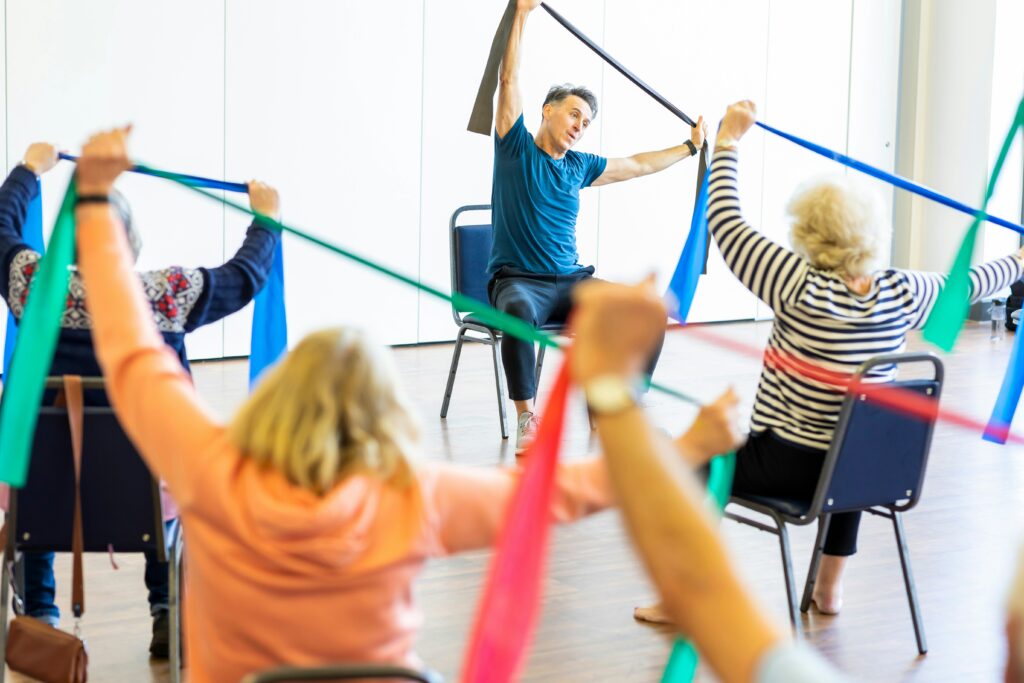
9. Resistance Band Cardio Circuits
Resistance bands are inexpensive, lightweight, and remarkably versatile tools that can be used to create low impact cardio circuits that simultaneously build muscle strength. This combination is particularly valuable for seniors because muscle loss, known as sarcopenia, is one of the most significant health challenges associated with aging.
A resistance band cardio circuit for seniors might include seated rows, standing lateral raises, banded pull-aparts, band-resisted marching, and standing banded squats performed one after another with minimal rest between exercises. When performed at a brisk pace with brief rest intervals, these circuits raise the heart rate meaningfully while also challenging the major muscle groups.
Getting started: Light resistance bands are a good starting point. Many sets are available at very reasonable prices and come with beginner instruction guides. YouTube also has numerous senior-specific resistance band cardio workout videos that guide you through the movements safely.
For context on why maintaining muscle mass becomes increasingly important with age, read our article on muscle mass and metabolic health.
10. Marching in Place
Do not underestimate this one. Marching in place is one of the simplest, safest, and most practical forms of low impact cardio for seniors because it can be done anywhere, at any time, with no equipment and no special clothing required.
Simply standing and lifting alternate knees in a rhythmic marching motion raises the heart rate, improves circulation in the legs, strengthens the hip flexors, and contributes meaningfully to your weekly activity total when done consistently.
During commercial breaks while watching television. While waiting for the kettle to boil. For five minutes after every hour of sitting. These small, frequent bouts of marching add up across a day and week to provide a genuine cardiovascular benefit that many seniors overlook because it feels too simple to count.
Getting started: Start with two to three minutes of marching at a comfortable pace and gradually build toward five to ten minute bouts. Lift your knees as high as is comfortable. Swing your arms naturally to increase the cardiovascular demand.
For seniors with very limited mobility, seated marching in a chair, described earlier in the chair cardio section, provides similar benefits with full support.
How Much Exercise Do Seniors Actually Need?
This is a question many older adults genuinely wonder about, and the answer is more encouraging than most people expect.
The World Health Organization and most major health organizations recommend that adults aged 65 and older aim for at least 150 minutes of moderate intensity aerobic activity per week. That breaks down to just 30 minutes on five days per week, or roughly 22 minutes every single day.
Moderate intensity means you are breathing harder than normal but can still speak in short sentences. Brisk walking, easy cycling, and water aerobics all qualify when performed at an appropriate effort level.
Even if you cannot reach 150 minutes right away, some exercise is dramatically better than none. Research consistently shows that even 60 to 75 minutes of moderate activity per week in previously sedentary older adults produces meaningful improvements in cardiovascular health, mobility, and cognitive function.
The goal is not perfection. The goal is consistent, progressive improvement over time.
Use Our Free Tools to Support Your Health Goals
Tracking your health numbers gives your exercise routine real direction and keeps you motivated when progress feels slow. These free tools on Vitality Nexus are designed to help you understand your body and set meaningful goals.
Check Your BMI Use our BMI Calculator to see where your current body mass index sits and track how it changes as your activity level increases over time.
Find Your Ideal Weight Use our Ideal Weight Calculator to establish a realistic and healthy weight target based on your specific height, age, and body type rather than a generic standard.
Calculate Your Daily Calorie Needs Staying active as a senior means your body needs proper fuel. Use our Calorie Calculator to find out how many calories you need each day to support your activity level and maintain a healthy weight.
Know Your Total Daily Energy Expenditure Use our TDEE Calculator to understand exactly how many calories your body burns each day. This helps you align your nutrition with your energy output for better health outcomes.
Optimize Your Sleep Schedule Quality sleep supports muscle recovery, hormone balance, cardiovascular health, and cognitive function in older adults. Use our Sleep Calculator to find the sleep and wake times that align with your natural rhythm.
Important Safety Tips Before You Start
Starting a new exercise routine at any age requires some basic precautions. For seniors, a few specific considerations are worth keeping in mind.
Talk to your doctor first. If you have been sedentary for a long time, have a diagnosed heart condition, diabetes, osteoporosis, or any other chronic health condition, speak with your physician before starting a new exercise program. In most cases, your doctor will actively encourage you to exercise. But knowing your specific limitations and any activities to avoid is important.
Start well below what you think you can handle. The most common mistake new exercisers make at any age is doing too much too soon. Begin at a very comfortable intensity and duration and build gradually over weeks and months.
Stay hydrated. Older adults are more susceptible to dehydration than younger people, partly because the sensation of thirst becomes less reliable with age. Drink water before, during, and after exercise even if you do not feel particularly thirsty.
Listen to your body. Mild muscle soreness 24 to 48 hours after exercise is normal. Sharp pain during exercise, chest discomfort, unusual shortness of breath, dizziness, or palpitations are signals to stop immediately and seek medical advice.
Invest in good footwear. Supportive shoes with good cushioning and a non-slip sole make a significant difference in comfort and fall prevention during any standing or walking exercise.
Exercise with a partner when possible. Having a friend, family member, or class group to exercise with dramatically improves consistency and safety, particularly for outdoor activities.
For more on how to recognize heart-related warning signs during physical activity, read our article on signs your heart is out of shape and our guide on essential heart health warnings.
FAQ
1. What is the best low impact cardio for seniors?
Walking is the most accessible and well-researched option for most seniors. Swimming and water aerobics are excellent for those with significant joint pain. Chair cardio is ideal for seniors with mobility limitations. The best choice ultimately depends on your current health status, preferences, and what you will realistically enjoy and stick with consistently.
2. How often should seniors do cardio exercise?
Most health guidelines recommend at least five days per week of moderate intensity activity for older adults, totaling 150 minutes or more per week. For beginners, starting with three days per week and gradually building is a sensible and sustainable approach.
3. Can seniors with arthritis do cardio?
Yes, and in fact regular gentle movement is one of the most effective strategies for managing arthritis symptoms. Swimming, water aerobics, chair cardio, Tai Chi, and cycling are all excellent choices for seniors with arthritis because they provide cardiovascular and joint mobility benefits without aggravating inflamed or stiff joints.
4. Is walking enough cardio for a senior?
For most seniors, brisk walking done consistently for 30 minutes on most days of the week is sufficient to produce significant cardiovascular health benefits. It meets WHO guidelines for physical activity in older adults and has an enormous evidence base behind it. Walking is genuinely one of the most effective cardiovascular exercises available to any age group.
5. What should seniors avoid in cardio exercise?
Seniors should generally avoid high-impact activities involving running, jumping, or rapid changes of direction, particularly if they have arthritis, osteoporosis, balance issues, or a history of joint problems. Exercises that require sudden explosive movements or involve significant fall risk should also be approached with caution or avoided. When in doubt, choose the gentler option and consult your doctor.
6. Can low impact cardio help with weight loss for seniors?
Yes. Consistent low impact cardio raises your total daily calorie expenditure, which supports healthy weight management. Combined with appropriate nutrition, regular walking, cycling, swimming, or other gentle cardio can meaningfully contribute to gradual, sustainable weight loss in older adults. Pairing exercise with proper nutrition is key, and our free calorie and TDEE calculators can help you find the right balance.
7. How long does it take to see results from low impact cardio?
Most seniors notice improvements in energy levels and mood within the first two to three weeks of consistent activity. Measurable improvements in cardiovascular fitness, resting heart rate, and blood pressure typically appear within four to eight weeks of regular moderate exercise. Visible changes in body composition take longer, usually eight to twelve weeks or more, depending on nutrition and starting point.
Conclusion
Age is not a barrier to fitness. It is simply a reason to be thoughtful about how you move.
Low impact cardio for seniors is not a compromise or a second-best option. It is the smart, evidence-based choice for older adults who want to protect their joints, strengthen their hearts, sharpen their minds, and maintain the independence and energy that make life genuinely enjoyable.
You do not need to run a race or lift heavy weights to be fit. You need to move consistently, at an intensity that challenges you without breaking you down, in ways that feel sustainable for the long term.
Start with one or two of the exercises from this guide that appeal to you most. Be consistent for four to six weeks before evaluating your progress. Use the free tools at Vitality Nexus to track your numbers and stay motivated. And explore our full health and fitness resources for more practical guidance on building a lifestyle that supports your wellbeing at every age.
Your body has carried you this far. Taking care of it is one of the most worthwhile investments you can make.