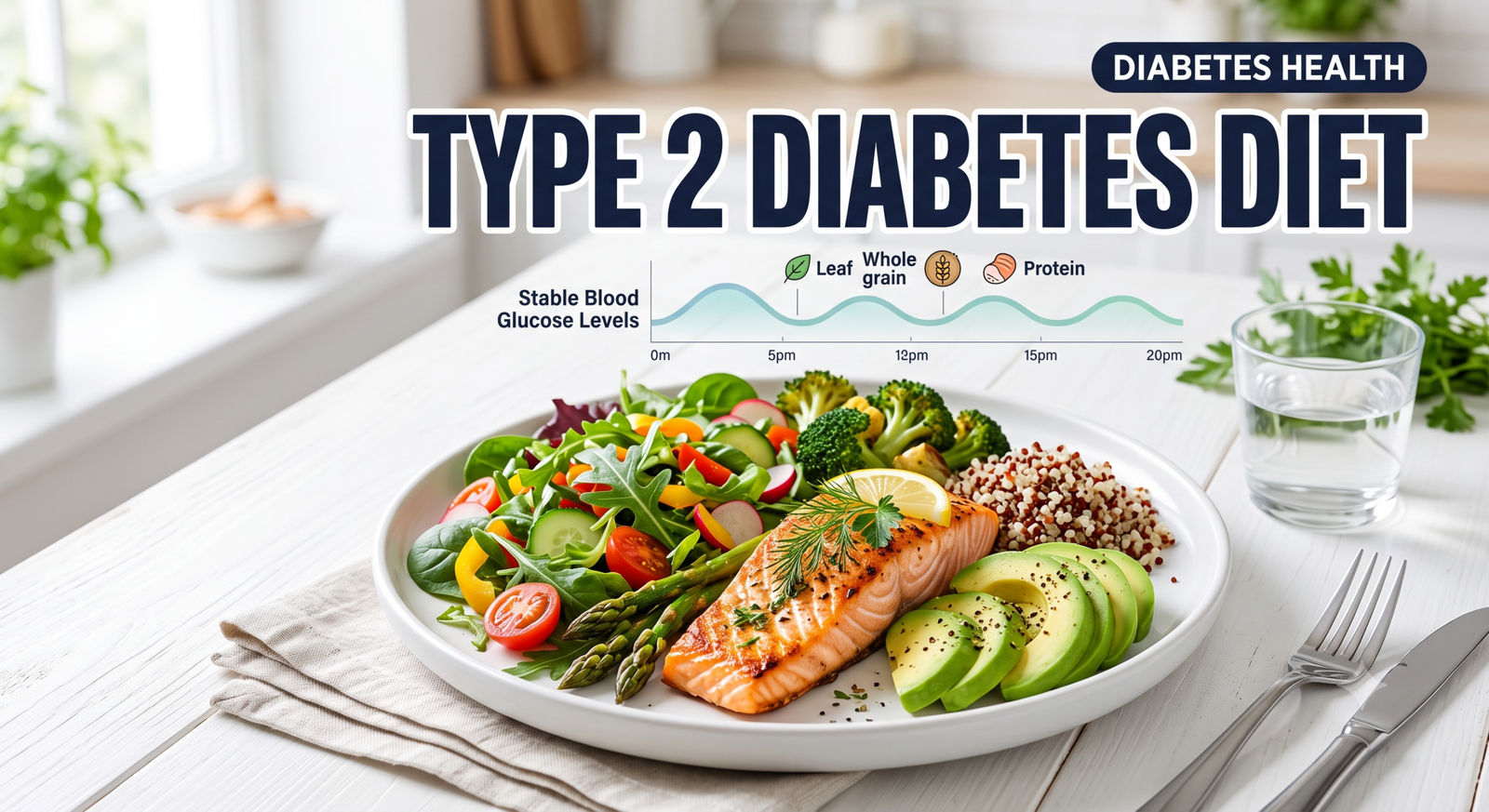
A well-structured type 2 diabetes diet is one of the most powerful tools available for managing blood sugar, reducing medication dependence, and lowering the risk of long-term complications. What you eat directly determines how much your blood sugar rises after meals, how sensitive your cells are to insulin, and how effectively your body manages glucose throughout the day.
This is not about restriction or eating bland, joyless food. It is about understanding which foods work with your metabolism and which ones work against it, then building a realistic, satisfying daily eating pattern around those choices.
In this guide, you will learn the 10 best foods for a type 2 diabetes diet, what to avoid, a practical meal-planning framework, the lifestyle habits that amplify every dietary change, and realistic expectations for what the right diet can achieve. Every recommendation here is grounded in clinical evidence and real-world practicality.
Table of Contents
Why Diet Is So Central to Type 2 Diabetes Management
Type 2 diabetes is fundamentally a condition of impaired blood sugar regulation. The cells of the body become resistant to insulin, making it harder to move glucose from the blood into cells where it can be used for energy. The pancreas compensates by producing more insulin, but over time this system becomes overwhelmed and blood glucose stays elevated.
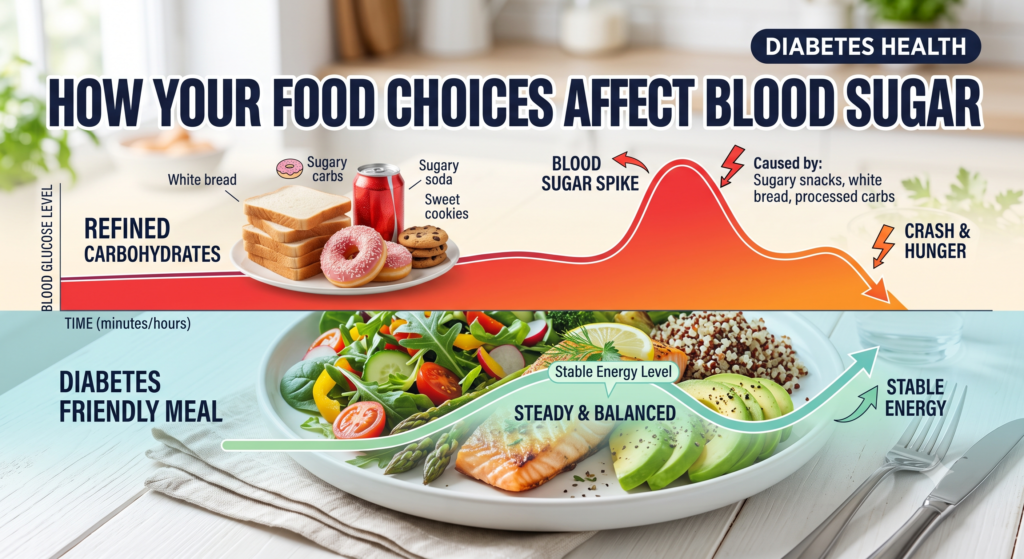
Every meal you eat directly affects this system. Foods that cause rapid rises in blood glucose force the pancreas to release large amounts of insulin repeatedly. Over time, this wears down the system further and worsens insulin resistance. Foods that produce gentle, gradual glucose rises give the system a chance to manage more effectively and gradually restore sensitivity.
This is why the right type 2 diabetes diet is not just about controlling symptoms. It is about addressing the underlying metabolic dysfunction that drives the condition. Research consistently shows that dietary change alone can reduce HbA1c by 1 to 2 percent in people with type 2 diabetes, an effect comparable to a single glucose-lowering medication.
According to the American Diabetes Association, there is no single diabetic diet that works for everyone, but the consistent principles are eating more non-starchy vegetables, whole grains, lean protein, and healthy fat while reducing refined carbohydrates, added sugar, and processed foods.
How the Type 2 Diabetes Diet Controls Blood Sugar
Before looking at specific foods, it helps to understand the three nutritional levers that control blood sugar after every meal.
The first is fiber. Soluble fiber slows the digestion and absorption of carbohydrates, flattening the glucose curve after eating. It also feeds beneficial gut bacteria that produce compounds improving insulin sensitivity over time.
The second is protein. Protein has minimal direct effect on blood glucose while significantly slowing gastric emptying and improving satiety. A meal anchored with protein produces a much gentler blood sugar rise than the same calorie count from carbohydrates alone.
The third is healthy fat. Fat slows digestion and blunts the insulin response to a meal. The right fats from olive oil, nuts, avocado, and fatty fish also reduce inflammation that drives insulin resistance.
Understanding these three levers means you can evaluate any food or meal by asking: does it deliver fiber, protein, and healthy fat alongside its carbohydrates, or is it predominantly refined carbohydrate alone?
10 Best Foods for a Type 2 Diabetes Diet
Here are the 10 most effective and well-researched foods for a type 2 diabetes diet, each chosen for its specific effect on blood sugar and metabolic health.
1. Non-Starchy Vegetables
Non-starchy vegetables are the foundation of the type 2 diabetes diet. Spinach, broccoli, cauliflower, kale, courgette, bell peppers, cucumber, mushrooms, and asparagus are all extremely low in carbohydrates and calories while providing fiber, vitamins, and antioxidants that protect against diabetic complications.
Filling half your plate with non-starchy vegetables at every meal is the single most consistent dietary recommendation across all major diabetes organizations because it crowds out higher-glycemic foods while keeping you full.
2. Fatty Fish
Salmon, mackerel, sardines, and trout are exceptional choices for the type 2 diabetes diet. They provide high-quality protein with zero carbohydrates and are rich in omega-3 fatty acids that reduce systemic inflammation, improve insulin sensitivity, and protect the cardiovascular system that diabetes puts at elevated risk.
Eating fatty fish two to three times per week is a core recommendation in most diabetes dietary guidelines. Our article on omega 3 benefits explains in detail why these fats matter so much for metabolic and cardiovascular health.
3. Eggs
Eggs are an ideal protein source for a type 2 diabetes diet. They contain essentially no carbohydrates, provide highly bioavailable protein that stabilizes blood sugar, and supply nutrients including choline and lutein that support eye health, which is particularly relevant since diabetes increases retinopathy risk.
Research shows that people with type 2 diabetes who eat eggs regularly do not experience worsened cholesterol or cardiovascular outcomes when eggs replace refined carbohydrates in their diet.
4. Legumes
Beans, lentils, and chickpeas are among the most blood-sugar-friendly carbohydrate sources available. Their high fiber and protein content produces one of the lowest glycemic responses of any carbohydrate food. A half cup of cooked lentils raises blood sugar far more gently than the same calories from white rice.
Legumes also improve long-term glycemic control when eaten regularly. A clinical trial found that replacing two servings of high-glycemic foods with legumes daily reduced HbA1c by 0.5 percent over three months.
5. Whole Oats
Oats contain beta-glucan, a soluble fiber with particularly strong evidence for improving blood sugar control. Beta-glucan forms a viscous gel in the gut that slows carbohydrate absorption and reduces post-meal glucose spikes significantly.
Steel-cut and rolled oats have a lower glycemic index than instant oats and produce slower, more stable glucose responses. A moderate portion of plain oats at breakfast, paired with protein from eggs or yogurt, is one of the most practical and effective type 2 diabetes diet breakfast options. Our guide on best breakfast for diabetics covers a full range of options.
6. Nuts and Seeds
Almonds, walnuts, chia seeds, flaxseeds, and pumpkin seeds all provide a combination of healthy fat, fiber, and protein with minimal carbohydrate impact. Research consistently shows that nut consumption improves blood sugar control and reduces cardiovascular risk in people with type 2 diabetes.
Chia seeds and flaxseeds are particularly valuable because their soluble fiber absorbs water and forms a gel that slows glucose absorption from any meal they are added to.
7. Greek Yogurt
Plain, unsweetened Greek yogurt provides protein and calcium with lower carbohydrate content than regular yogurt. It also contains probiotics that support a healthy gut microbiome, which is increasingly recognized as a factor in insulin sensitivity and blood sugar regulation.
Choose plain varieties and add your own berries or a sprinkle of cinnamon for flavor. Flavored yogurts with added sugar undermine the blood sugar benefit entirely.
8. Berries
Berries are among the best fruit choices for a type 2 diabetes diet because they are lower in sugar than most fruits while being high in fiber and anthocyanins. These antioxidants improve insulin sensitivity and reduce inflammation at the cellular level.
Blueberries, strawberries, and raspberries all have a low glycemic index and produce gentle blood sugar responses when eaten in a normal portion. They make excellent additions to oats, yogurt, or as a dessert substitute that satisfies a sweet craving without a significant glucose spike.
9. Avocado
Avocado is one of the most blood-sugar-friendly foods available. It contains no net digestible carbohydrates and provides monounsaturated fat and fiber that blunt insulin responses to the rest of the meal.
Research specifically on avocado consumption in people with type 2 diabetes shows improved post-meal blood sugar, better satiety, and favorable effects on cholesterol. Adding avocado to meals or using it to replace higher-carb components produces consistent metabolic benefit.
10. Cinnamon
Cinnamon is the most studied spice for blood sugar management. Multiple clinical trials show that regular cinnamon consumption modestly reduces fasting blood glucose and improves insulin sensitivity, with effects attributed to compounds that enhance insulin receptor activity.
The most consistent research uses half a teaspoon to one teaspoon of cinnamon daily, added to oats, yogurt, smoothies, or coffee. It is not a medication substitute, but as a daily food addition with no risk and potential benefit, it earns a place in a type 2 diabetes diet.
Foods to Limit or Avoid on a Type 2 Diabetes Diet
Equally important as what to eat is what to reduce. Certain foods produce sharp, large glucose spikes that worsen insulin resistance over time.
Sugary drinks including soda, fruit juice, sweetened coffee drinks, and energy drinks are the most significant dietary driver of blood sugar instability. They deliver sugar into the bloodstream with nothing to slow it, producing the sharpest possible insulin response.
Refined carbohydrates including white bread, white rice, white pasta, and most packaged crackers and cereals digest rapidly and act almost identically to sugar in terms of blood glucose impact. Replacing these with whole grain versions or reducing portion sizes makes a measurable difference.
Processed and ultra-processed foods combine refined carbs with excess sodium, unhealthy fats, and additives in ways that worsen insulin resistance through multiple simultaneous pathways. Limiting these foods is the single most impactful change many people can make.
Added sugar in all forms, including honey, maple syrup, agave, and cane sugar, should be minimized even when in supposedly healthier packaging. Natural sources of sugar still raise blood glucose significantly when consumed in meaningful amounts.
How to Build Your Type 2 Diabetes Diet Plate
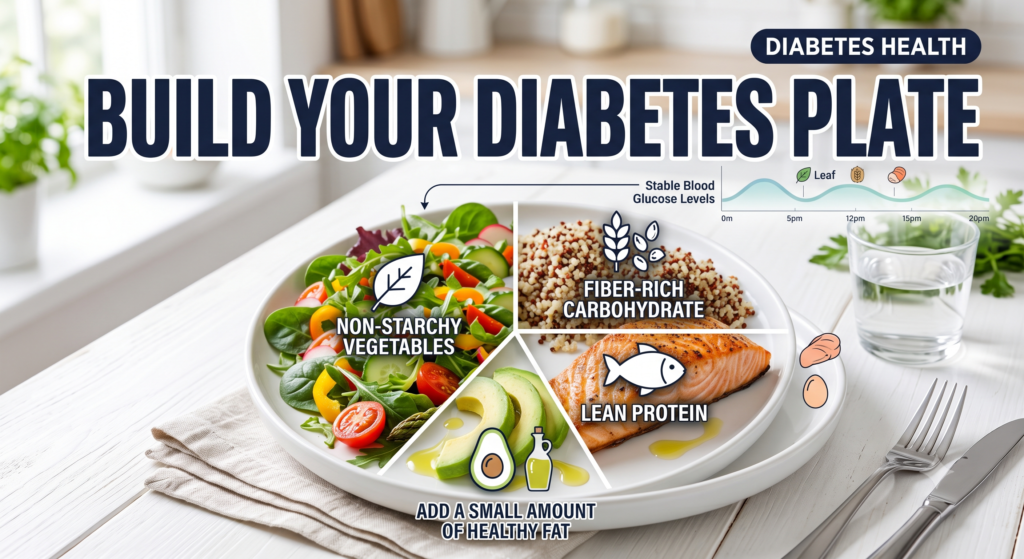
A simple three-part plate framework makes every meal decision easier without requiring carbohydrate counting or complex planning.
Fill half the plate with non-starchy vegetables. These provide volume, fiber, and nutrients without meaningfully affecting blood glucose. A quarter of the plate should contain a lean protein source such as fish, eggs, chicken, tofu, or legumes. The remaining quarter can contain a fiber-rich carbohydrate such as quinoa, brown rice, oats, or sweet potato.
Add a small amount of healthy fat such as olive oil, avocado, or a few nuts to each meal to slow absorption and improve satiety. This structure consistently produces more stable blood sugar than any specific food list followed rigidly.
For more detailed meal ideas and practical choices, our guides on foods that lower blood sugar and intermittent fasting for weight loss cover complementary approaches that many people with type 2 diabetes find effective.
Lifestyle Habits That Support Your Type 2 Diabetes Diet
Diet is the most important single factor, but several lifestyle habits significantly amplify its effect on blood sugar control.
A short walk of ten to fifteen minutes after each main meal is one of the most powerful single interventions for post-meal blood sugar. Muscle contraction during walking pulls glucose from the blood directly, reducing the spike that follows eating. Our article on benefits of walking daily explains the full metabolic mechanism.
Quality sleep is equally important. Poor sleep raises cortisol, increases insulin resistance, and disrupts appetite hormones in ways that undermine every dietary effort. Research shows that one week of sleep restriction produces measurable insulin resistance in healthy adults. Our guide on sleep and type 2 diabetes covers this connection in detail.
Stress management reduces cortisol-driven blood sugar elevation that occurs independently of what you eat. And maintaining a healthy weight through consistent dietary improvements produces the most significant long-term improvement in insulin sensitivity of any single intervention.
According to Harvard Health, combining the right diet with regular activity and weight management can reduce HbA1c significantly and in some cases allow medication reduction under medical supervision.
Type 2 Diabetes Diet and Weight Management
For people with type 2 diabetes who are overweight, weight loss is the most powerful intervention available for improving insulin sensitivity and reducing HbA1c. Even five to ten percent of body weight lost produces significant metabolic improvements.
The type 2 diabetes diet naturally supports weight management when it replaces refined carbohydrates and processed foods with protein, fiber, and healthy fat. This shift reduces calorie intake naturally through improved satiety without requiring strict calorie counting.
Use our free calorie calculator to find your daily intake target and the TDEE calculator to understand your daily energy expenditure. The BMI calculator and body fat calculator help you track body composition changes that reflect real metabolic improvement.
Track Your Numbers and Progress
Managing type 2 diabetes through diet works best when you monitor your response to specific foods. Not everyone responds identically to the same foods, and tracking gives you personal data rather than relying only on general guidelines.
If you have a blood glucose monitor, testing before and two hours after meals reveals exactly how different foods and portions affect your individual response. Keeping a simple food and glucose diary for two to four weeks provides invaluable pattern recognition.
For broader health tracking, use our free tools to monitor your weight, calorie balance, and body composition alongside your dietary changes.
Frequently Asked Questions
What is the best diet for type 2 diabetes?
There is no single best diet, but consistent principles include filling half the plate with non-starchy vegetables, choosing lean protein at every meal, including fiber-rich carbohydrates in moderate portions, using healthy fats, and strictly limiting refined carbohydrates, sugary drinks, and processed foods.
Can the type 2 diabetes diet reverse diabetes?
For some people, significant weight loss and dietary change produce remission, meaning blood sugar normalizes without medication. This is most likely in people diagnosed within the last few years and those who lose ten percent or more of body weight. Remission is possible but requires sustained dietary change and medical oversight.
How many carbohydrates should a type 2 diabetic eat per day?
There is no universal answer. Most guidelines suggest starting with 45 to 60 grams of carbohydrate per meal, prioritizing fiber-rich sources. Some people achieve better blood sugar control with lower carbohydrate approaches. Working with a dietitian to find your personal tolerance produces the best outcomes.
Is fruit allowed on a type 2 diabetes diet?
Yes, in moderation and with good choices. Berries, cherries, apples, and pears have lower glycemic indices than tropical fruits like mango and pineapple. Whole fruit is better than juice since the fiber slows glucose absorption. A small to medium portion with a meal is usually well tolerated.
What should a type 2 diabetic eat for breakfast?
Plain oats with nuts and berries, eggs with non-starchy vegetables, Greek yogurt with flaxseeds, or a protein smoothie with leafy greens are all excellent choices. The goal is a combination of protein and fiber with minimal refined carbohydrate to start the day with stable blood sugar.
Can type 2 diabetes be managed without medication through diet alone?
For some people, particularly in the early stages, dietary change and weight loss produce blood sugar control that reduces or eliminates the need for medication. This should always be done with medical supervision since stopping medication without guidance can be dangerous.
Does intermittent fasting help type 2 diabetes?
Research shows that time-restricted eating improves insulin sensitivity and reduces HbA1c in people with type 2 diabetes. It should be done with medical guidance, particularly for those on insulin or glucose-lowering medication, since fasting can affect medication safety.
Final Thoughts
The right type 2 diabetes diet is one of the most powerful tools you have for managing blood sugar, protecting your long-term health, and reducing the complications that uncontrolled diabetes causes over time. Non-starchy vegetables, fatty fish, eggs, legumes, oats, nuts, Greek yogurt, berries, avocado, and cinnamon form a genuinely satisfying eating pattern that works with your metabolism rather than against it.
Start with the plate framework. Fill half with vegetables at every meal. Add a protein anchor. Keep carbohydrates small, whole, and fiber-rich. Walk after meals. Protect your sleep. These consistent habits produce real and measurable improvements in blood sugar and overall health within weeks.
Use the free tools on Vitality Nexus to track your nutrition and progress, and explore our diabetes and metabolic health guides for more practical, evidence-based guidance on managing your condition through lifestyle.
Medical Disclaimer: This article is for general information only and is not medical advice. If you have type 2 diabetes, please work closely with a qualified doctor and registered dietitian before making significant dietary changes or adjusting your medication.