
Prostate health is one of the most important and most overlooked areas of men’s health. Most men do not think about their prostate until something goes wrong, yet the choices you make every decade before that point largely determine what your prostate health looks like after 50.
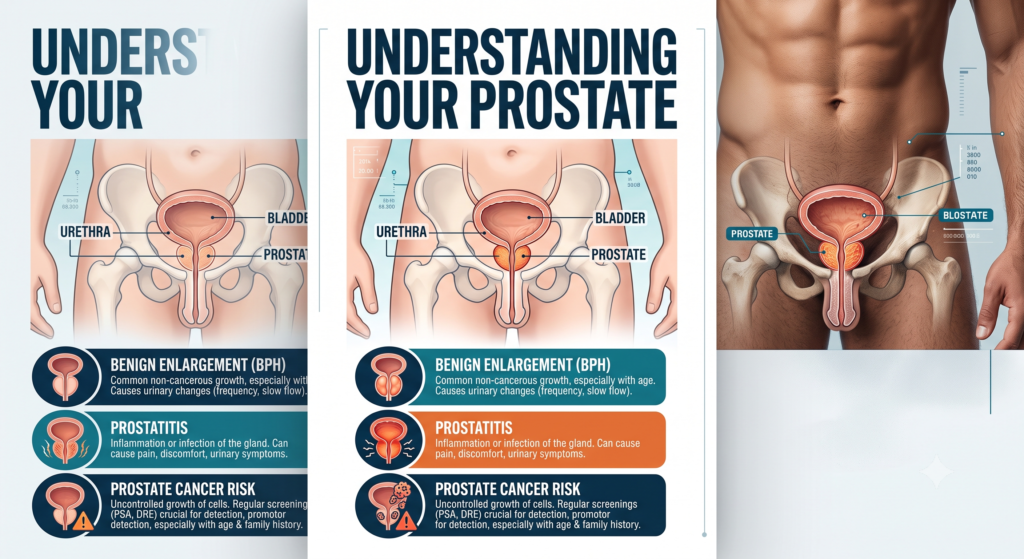
The prostate is a small walnut-sized gland that sits below the bladder. It plays a role in both reproductive function and urinary control. As men age, the prostate tends to enlarge, and the risk of conditions including benign prostatic hyperplasia, prostatitis, and prostate cancer increases. The encouraging truth is that the right prostate health tips can meaningfully lower those risks.
In this guide, you will learn 10 proven prostate health tips backed by research, the best foods for prostate health, the warning signs worth knowing, and when to see a doctor. Taking a proactive approach now is far easier than managing problems later.
Table of Contents
Why Prostate Health Matters at Every Age
The prostate gland performs two main jobs. It produces fluid that nourishes and protects sperm, and it surrounds the urethra, which means changes to the prostate directly affect urinary function.
Three conditions most commonly affect the prostate. Benign prostatic hyperplasia, or BPH, is non-cancerous prostate enlargement that affects the majority of men by their 60s and causes urinary symptoms like frequent urination and weak flow. Prostatitis is inflammation of the prostate, often bacterial, that can cause pelvic pain and urinary discomfort. Prostate cancer is the second most common cancer in men globally, yet when detected early it has an excellent prognosis.
The overlap between the lifestyle factors that protect against all three of these conditions is significant. The same habits that reduce prostate cancer risk also ease BPH symptoms and reduce prostatitis recurrence. That is the basis of every prostate health tip in this guide.
According to the American Cancer Society, while age and genetics are risk factors you cannot change, lifestyle choices including diet, weight, and physical activity have a meaningful and documented impact on prostate health outcomes.
10 Proven Prostate Health Tips for Every Man
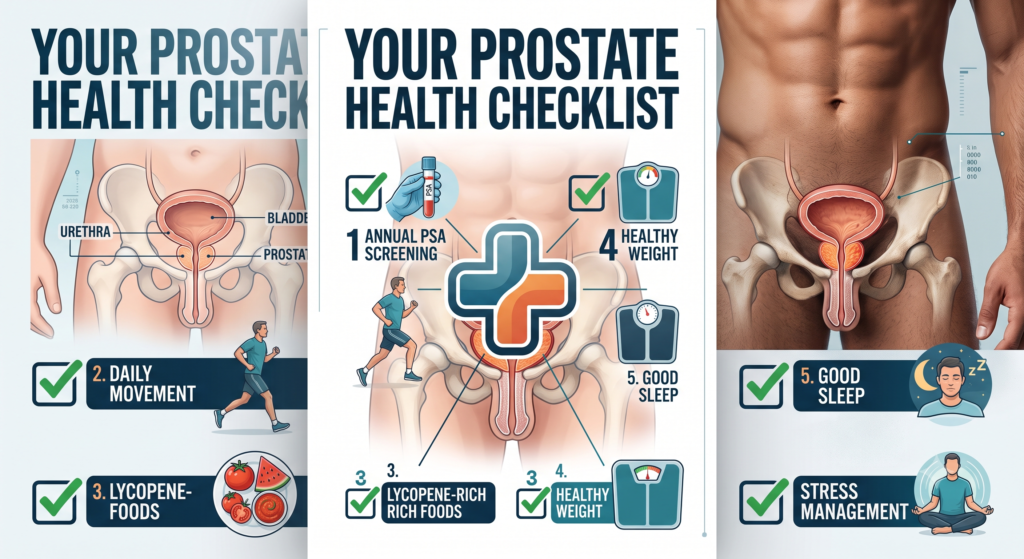
Here are 10 evidence-based prostate health tips that any man can start applying regardless of his current age or fitness level.
1. Eat More Tomatoes and Lycopene-Rich Foods
Lycopene is a powerful antioxidant found in tomatoes, watermelon, and pink grapefruit. Multiple studies have linked higher lycopene intake to a reduced risk of prostate cancer. Cooked tomatoes, including tomato sauce and paste, actually provide more bioavailable lycopene than raw ones, since heat releases it from the cell walls.
Adding tomato-based meals several times a week is one of the most specific and well-researched prostate health tips available.
2. Stay Physically Active Every Day
Regular exercise is one of the most consistent findings in prostate health research. Men who exercise regularly have lower rates of BPH, less severe urinary symptoms, and reduced prostate cancer risk compared to sedentary men. Exercise also reduces insulin and inflammatory markers that are linked to prostate cancer progression.
You do not need intense workouts. A daily brisk walk of 30 minutes or more covers most of the benefit. Our article on the benefits of walking daily explains exactly how consistent movement protects your overall and prostate health.
3. Maintain a Healthy Weight
Excess body fat, particularly abdominal fat, is associated with higher levels of inflammation and hormonal disruption that increase prostate cancer risk and worsen BPH symptoms. Adipose tissue converts testosterone to estrogen, altering the hormonal environment around the prostate.
Keeping your weight in a healthy range is therefore one of the most practical prostate health tips of all. Use our free BMI calculator and body fat calculator to track your body composition over time.
4. Eat More Cruciferous Vegetables
Broccoli, cauliflower, Brussels sprouts, and kale contain sulforaphane and other compounds that have shown anti-cancer properties in research, including against prostate cancer cells. They also support liver detoxification, which helps clear excess estrogen from the body.
Aim for at least one serving of cruciferous vegetables daily. Lightly steamed or roasted preserves more of their active compounds than boiling.
5. Reduce Red and Processed Meat
High consumption of red meat and processed meat is linked to an increased risk of aggressive prostate cancer in several large studies. The mechanisms likely involve saturated fat, heme iron, and compounds formed during high-temperature cooking. This does not mean eliminating meat entirely, but shifting toward fish, poultry, and plant proteins for most meals is a practical and evidence-supported step.
6. Include Zinc and Selenium in Your Diet
The prostate contains more zinc than almost any other organ in the body, and adequate zinc is important for normal prostate function. Foods rich in zinc include pumpkin seeds, oysters, beef, and legumes. Selenium, found in Brazil nuts, fish, and eggs, has shown protective associations with prostate cancer risk in some studies.
Including these nutrients through food rather than high-dose supplements is the safest approach, since very high supplemental doses of selenium can actually increase risk in men who already have adequate levels.
7. Drink Enough Water and Limit Alcohol
Staying well hydrated supports urinary tract health and reduces the concentration of potentially harmful compounds in the urine. Reducing alcohol intake is important too, since heavy alcohol use increases inflammation and disrupts the hormonal balance that affects prostate health.
Replacing alcoholic drinks with water, green tea, or herbal tea on most days is a simple but meaningful shift. Our earlier article on teas for heart health also covers options that benefit the prostate through anti-inflammatory compounds.
8. Manage Stress and Cortisol
Chronic stress keeps cortisol elevated, which suppresses immune surveillance and creates a pro-inflammatory environment that can worsen prostate conditions over time. The connection between stress hormones and prostate health is increasingly recognized in research.
Daily stress management through movement, mindfulness, and adequate recovery time protects prostate health through the same hormonal pathways it protects everything else. Our guide on high cortisol versus low cortisol explains how chronic stress affects your body at a hormonal level.
9. Prioritize Sleep
During deep sleep, your body regulates immune function, repairs tissue, and balances hormones including testosterone and cortisol, all of which influence prostate health. Men with chronically poor sleep have higher markers of inflammation and disrupted hormone profiles that are relevant to prostate risk.
Aiming for seven to nine consistent hours of quality sleep is one of the most comprehensive prostate health tips because it supports everything else. Our article on deep sleep benefits covers why sleep quality matters as much as duration.
10. Get Regular Prostate Screenings
This is arguably the single most important prostate health tip for men over 50, or over 45 with a family history. A PSA blood test and digital rectal exam allow early detection of prostate changes when they are most treatable.
Prostate cancer caught at an early stage has near-perfect survival rates with appropriate treatment. Yet many men avoid screening due to embarrassment or assuming they will notice symptoms themselves. The reality is that early prostate cancer rarely causes symptoms, which is exactly why screening matters.
Best Foods for Prostate Health
Beyond the specific foods mentioned above, a broader dietary pattern protects the prostate through multiple mechanisms simultaneously.
A Mediterranean-style diet rich in olive oil, fish, vegetables, legumes, and whole grains is consistently linked to lower prostate cancer incidence and less aggressive disease in men who do develop it. Green tea contains EGCG catechins with anti-inflammatory and potential anti-cancer properties. Pomegranate has shown early promise in prostate cancer research, particularly for slowing PSA doubling time.
On the other hand, a diet heavy in dairy, saturated fat, and refined carbohydrates is associated with higher prostate cancer risk. Our guide on cholesterol reducing foods covers many of the same heart-protective foods that also benefit the prostate, since cardiovascular health and prostate health share many dietary foundations.
Warning Signs That Need a Doctor
Knowing which symptoms to take seriously is an important part of any prostate health approach. Some symptoms are worth monitoring, while others need prompt medical attention.
Symptoms that warrant a doctor visit include difficulty starting urination, a weak or interrupted urine stream, frequent urination especially at night, a sudden urge to urinate, blood in the urine or semen, painful urination or ejaculation, and persistent pain in the lower back, hips, or pelvis.
These symptoms can have multiple causes, not all of them serious, but they should always be evaluated rather than waited out. Many men delay seeking care for years, which can allow treatable conditions to progress unnecessarily.
According to the Mayo Clinic, regular check-ups combined with awareness of early symptoms give men the best chance of catching prostate problems at their most manageable stage.
Prostate Health Tips for Men Over 50
After 50, prostate health requires more active attention. BPH becomes increasingly common, PSA testing becomes a standard discussion with your doctor, and the risk of prostate cancer rises significantly.
The lifestyle foundations covered above remain the most important tools you have. But regular medical engagement becomes equally essential. Annual PSA monitoring allows your doctor to track trends over time, since a rising PSA may be more informative than any single value.
Staying active is particularly important after 50. Our article on how to build muscle after 40 covers the kind of regular resistance and aerobic training that supports hormonal health and reduces the abdominal fat most associated with prostate risk in older men.
Managing testosterone levels sensibly also matters. Our guide on signs of low testosterone helps men recognize hormonal changes that may need professional evaluation, since both low and artificially high testosterone can affect prostate health.
Track Your Health and Progress
Proactive prostate health is most effective when paired with regular tracking of your overall health. Weight, diet quality, activity, and sleep all influence your prostate over years and decades.
Use our free calorie calculator to ensure your diet is supporting a healthy weight, and our TDEE calculator to understand your daily energy needs. The BMI calculator helps you monitor weight trends that are directly relevant to prostate risk.
Frequently Asked Questions
What are the best prostate health tips for men?
The most impactful prostate health tips include eating lycopene-rich foods like tomatoes, staying physically active, maintaining a healthy weight, including cruciferous vegetables, reducing red and processed meat, managing stress, sleeping well, and getting regular prostate screenings after 50.
What foods are best for prostate health?
Tomatoes, broccoli, fatty fish, pumpkin seeds, green tea, pomegranate, and legumes are among the most evidence-supported foods for prostate health. A Mediterranean-style diet overall is consistently linked to lower prostate cancer risk.
At what age should men start thinking about prostate health?
Prostate health habits are worth building in your 30s and 40s, since lifestyle choices made in those decades influence your prostate decades later. Formal screening discussions with a doctor typically begin at 50, or 45 with a family history or higher-risk background.
Can diet prevent prostate cancer?
Diet alone cannot guarantee prevention, but research consistently shows that men who eat more vegetables, less processed meat, and maintain a healthy weight have meaningfully lower rates of prostate cancer. Diet is one of the most modifiable risk factors available.
Does exercise help prostate health?
Yes. Regular physical activity is linked to lower BPH symptom severity, reduced prostate cancer risk, and better outcomes in men who have been diagnosed. Even moderate daily walking produces measurable benefits.
What are the early warning signs of prostate problems?
Early signs include difficulty starting urination, a weak urine stream, frequent urination at night, a sudden urge to urinate, and pain during urination or ejaculation. Many early prostate cancers cause no symptoms, which is why regular screening is essential.
Is prostate cancer always serious?
Not always. Many prostate cancers are slow-growing and when caught early are highly treatable. However, aggressive forms exist and require prompt treatment, which is why early detection through screening makes such a significant difference in outcomes.
Final Thoughts
These prostate health tips are not complicated or expensive. Eating more vegetables, staying active, maintaining a healthy weight, sleeping well, managing stress, and getting regular check-ups are habits that protect your prostate while improving your overall health in every other way.
Start with one or two changes this week. Add tomatoes to your meals, take a daily walk, and book that long-overdue check-up if you are over 50. The earlier you build these habits, the more they protect you across the decades ahead.
Explore more of our men’s health guides on Vitality Nexus to keep building a lifestyle that supports your strength, vitality, and long-term wellbeing.
Medical Disclaimer: This article is for general information only and is not medical advice. If you have prostate symptoms, a family history of prostate cancer, or are over 50 and have not had a prostate screening, please consult a qualified doctor promptly.