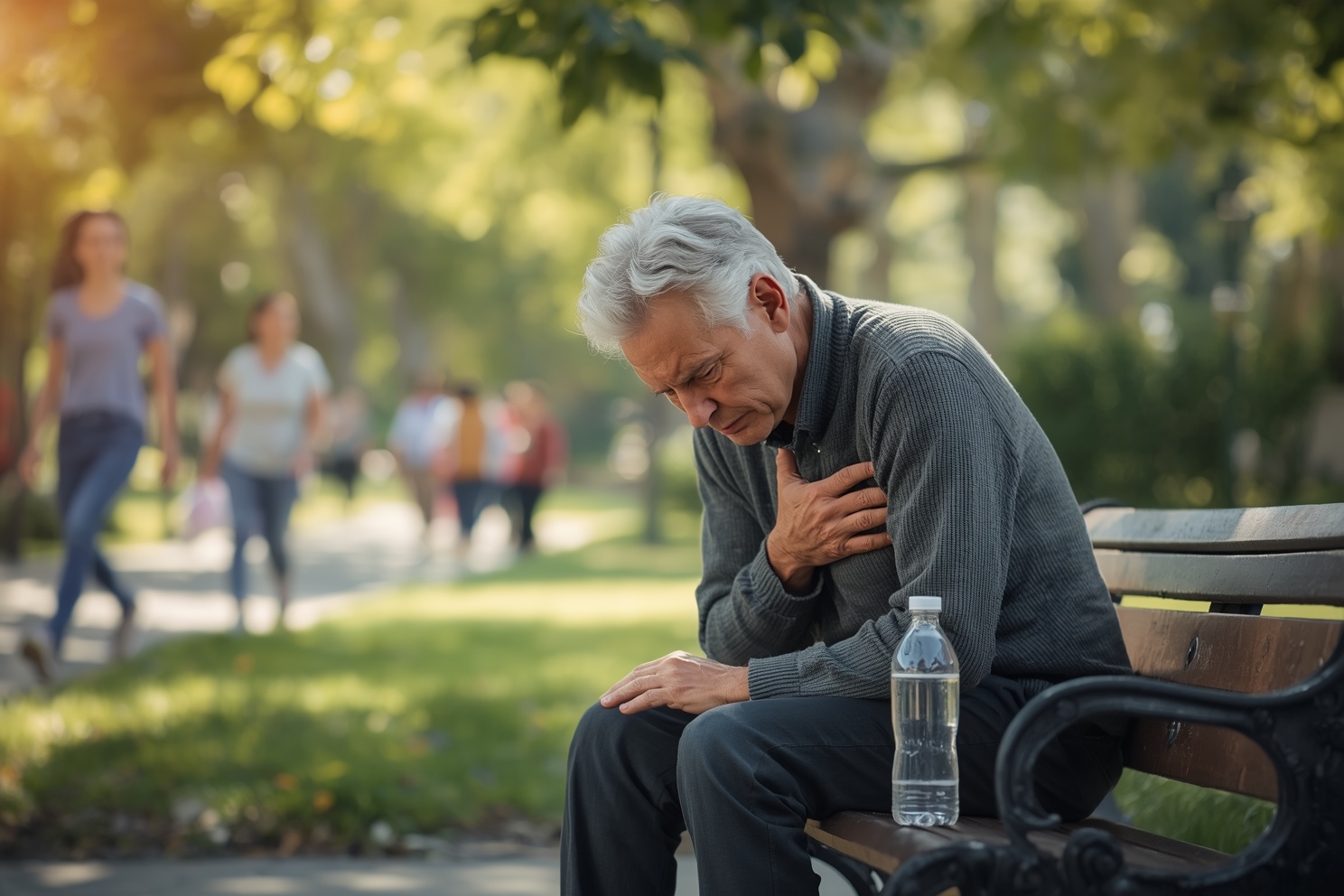
Most people only start thinking seriously about their heart when something dramatic happens. A scary episode of chest pain. A friend who gets a shocking diagnosis at 45. A routine doctor’s visit that suddenly no longer feels so routine.
But here is the truth that most of us would rather not sit with: the heart does not usually fail without warning. It sends signals, quiet ones at first, then louder ones long before a crisis point arrives. The problem is that most of us have learned to explain those signals away. We blame them on being busy, getting older, not sleeping enough, or just being “out of practice” with exercise.
Sometimes those explanations are right. But sometimes, what feels like everyday tiredness or mild breathlessness is your heart genuinely struggling, and it is worth knowing the difference.
If you have been wondering whether your cardiovascular fitness is where it should be, this guide will give you honest, clear answers. Recognizing the early signs your heart is out of shape is one of the most powerful things you can do for your long-term health.
Table of Contents
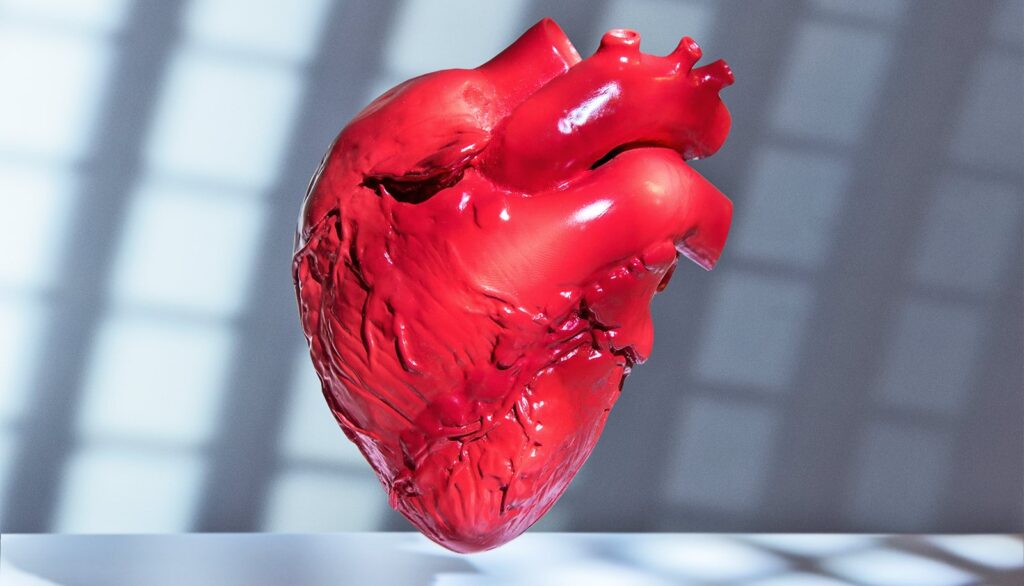
What Does It Actually Mean for Your Heart to Be Out of Shape?
Before we go through the signs, it is worth getting clear on what we are actually talking about.
When your heart is in good shape — what doctors call good cardiovascular fitness — it is an efficient, powerful pump. It moves blood around your body with relatively little effort. It beats slowly and steadily at rest because it does not need to work hard. When you exercise, it ramps up quickly and then recovers quickly afterward. Your arteries are flexible and open. Your blood pressure stays in a healthy range. Your cells get oxygen efficiently.
When your heart is out of shape, the opposite is true. The heart muscle is weaker and less efficient. It has to beat faster and work harder just to do the same job. Your arteries may be stiffer and narrower from inactivity, poor diet, or both. Your blood pressure creeps up. Your body struggles to deliver oxygen to muscles when demand increases, even modestly.
The result is all kinds of physical experiences that your body uses to tell you something needs to change.
And this is really important to understand: being out of cardiovascular shape is not just about being unfit or carrying extra weight. Thin people can have very poor cardiovascular fitness. Young people can have out-of-shape hearts. You do not need to feel visibly unwell for your heart to be struggling quietly below the surface.
You Get Breathless Much Faster Than You Used To
Think back to a year or two ago. Maybe five years ago. Could you walk up a flight of stairs without catching your breath? Could you carry groceries from the car without needing a moment to recover? Could you walk briskly and hold a conversation at the same time?
If the answer is yes and that same activity leaves you noticeably breathless now, that change is worth paying attention to.
Getting out of breath more easily than you used to is one of the most consistent and earliest signs that your cardiovascular fitness has declined. When the heart is less efficient at pumping blood, your body compensates by breathing faster to get more oxygen into circulation. Tasks that your heart previously handled comfortably now require your lungs to pick up the slack.
Occasional breathlessness from being genuinely sedentary is common and very fixable. But if the breathlessness is progressing, getting worse over weeks or months, or if it happens at rest or wakes you up from sleep, that is a different situation entirely and needs medical evaluation promptly.
For a broader picture of heart warning signs that deserve serious attention, read our article on essential heart health warnings.
Your Resting Heart Rate Is Higher Than It Should Be
Here is a simple, free, one-minute test you can do right now. Sit quietly for five minutes. Then find your pulse on your wrist or the side of your neck and count the beats for sixty seconds.
A healthy resting heart rate for most adults sits somewhere between 60 and 80 beats per minute. Elite athletes often sit in the low 40s to 50s because their hearts are so efficient and powerful that they do not need to beat often to circulate adequate blood volume.
If your resting heart rate is consistently sitting above 80, and especially if it is above 90 or 100, that is a sign your heart is working harder than it should be just to maintain basic circulation. It means the heart muscle is not efficient. Every beat delivers less than it could, so the heart compensates by beating more frequently.
Research has consistently linked chronically elevated resting heart rate to increased cardiovascular disease risk, even after accounting for other risk factors. It is one of the simplest and most overlooked indicators of heart fitness, and it is completely free to measure.
Climbing Stairs Feels Like a Real Workout
This one sounds almost funny until you notice it happening to you.
Stairs are one of the most honest cardiovascular tests in daily life. They require your heart and lungs to suddenly increase output to power your legs against gravity. A healthy heart handles this transition quickly and smoothly. An out-of-shape heart feels the demand almost immediately, and so do you.
If you find yourself gripping the handrail, pausing mid-flight, or arriving at the top breathing hard and with your heart pounding, your cardiovascular fitness is telling you something direct and honest.
This does not mean you are about to have a heart attack. For most people, it simply means your heart muscle and vascular system have weakened from insufficient demands being placed on them, which is fixable with consistent, progressive effort. But it is a sign worth taking seriously rather than quietly accepting as normal.
You Feel Exhausted After Light Activity
There is normal post-exercise tiredness, the satisfying kind that comes after a genuinely hard workout. And then there is the kind of exhaustion that comes from doing something that should not be hard at all.
Walking around a shopping center and needing to sit down. Doing a bit of housework and feeling drained. Playing with your kids or grandkids for twenty minutes and needing the rest of the afternoon to recover.
When light activity produces disproportionate fatigue, it often means the heart is not delivering oxygen to working muscles efficiently enough. The muscles get what they need eventually, but at a cost that leaves you feeling wiped out afterward.
This kind of fatigue is different from the kind caused by poor sleep, low iron, or thyroid issues, though those can overlap and compound it. It is worth exploring all these possibilities with your doctor rather than assuming any single cause.
For a broader picture of what cardiovascular health actually involves day to day, read our article on heart health explained, how to protect your heart.
Your Recovery Time After Exercise Takes Forever
After any bout of physical activity, your heart rate should begin returning to its resting level fairly quickly, especially if the activity was moderate. A well-conditioned heart can drop 20 to 30 beats per minute or more within the first minute after exercise stops. This is called heart rate recovery, and it is one of the most clinically meaningful measures of cardiovascular fitness.
If your heart rate stays elevated for a long time after you stop exercising, say still significantly above resting after five or ten minutes of sitting down, that slow recovery is a meaningful sign of poor cardiovascular conditioning.
Research has actually shown that slow heart rate recovery after exercise is an independent predictor of cardiovascular mortality. It is not just a fitness metric. It has genuine clinical weight.
You can test this yourself informally. Do something moderately physical, climb two flights of stairs, walk briskly for five minutes, or do a short set of jumping jacks. Then sit down and check your heart rate at the one-minute and five-minute marks. The faster it drops, the more efficient your heart is. If it stays elevated at the five-minute mark and you still feel uncomfortably breathless or pounding, that is worth noting.
You Feel Your Heart Pounding After Minimal Effort
There is a difference between being aware of your heartbeat during genuine exertion and feeling your heart hammering away after something as simple as bending down to pick something up, standing up from a chair, or walking to another room.
When the heart is out of shape, even small increases in physical demand can trigger a disproportionate cardiovascular response. The heart has to work significantly harder to meet even modest increases in oxygen demand, and you feel that effort as pounding, thumping, or a strong awareness of your heartbeat that feels slightly alarming.
Most of the time this reflects deconditioning. The heart is simply not used to being asked to do more. But it is also worth knowing that palpitations can sometimes have other causes, including electrolyte imbalances, thyroid dysfunction, anxiety, or arrhythmias. If palpitations are frequent, irregular, or accompanied by dizziness or chest pain, get them checked properly.
You Get Dizzy or Lightheaded When You Move Quickly
Standing up too fast and feeling momentarily dizzy is usually orthostatic hypotension, a brief drop in blood pressure that happens when you change position rapidly. It is common and often harmless on its own.
But dizziness or lightheadedness that happens during physical activity, during a walk, while climbing stairs, or during any kind of exertion, is a different matter. This kind of exertional dizziness can signal that the heart is not pumping blood effectively enough to maintain adequate circulation to the brain during increased physical demand.
This symptom in particular deserves a conversation with your doctor, especially if it is new, recurring, or getting worse over time. It is one of the signs that sits closer to the more serious end of the cardiovascular warning spectrum.

Your Legs Feel Heavy and Tire Quickly
Your legs are the largest muscle group in your body, and they are absolutely dependent on the cardiovascular system to deliver the oxygen and fuel they need during activity.
When the heart is out of shape, the muscles in your legs are often among the first to complain. They tire quickly, feel heavy and leaden even at low intensities, and may develop a burning, aching sensation during walks or stair climbs that forces you to stop before you feel like you should need to.
This happens because the heart cannot pump blood fast enough or in sufficient volume to keep up with what the muscles are demanding. The legs essentially run short on oxygen and accumulate metabolic waste products faster than the circulation can clear them.
If this sounds familiar and if it has been getting progressively worse over time, it deserves proper assessment. In some cases, especially in older adults, it can also point toward peripheral artery disease, a condition where narrowed arteries restrict blood flow to the legs. This is directly connected to overall cardiovascular health.
You Struggle to Hold a Conversation While Walking
This one is known as the talk test, and it is one of the simplest and most practical ways to gauge cardiovascular fitness in real life.
At a moderate walking pace on flat ground, a person with reasonable cardiovascular fitness should be able to hold a conversation without running out of breath or needing to pause between sentences. They may breathe a little faster than usual, but speech should be continuous and comfortable.
If walking at a moderate pace on flat ground leaves you noticeably breathless and unable to speak in full sentences, your cardiovascular fitness has room to improve. Significantly.
This test works because speech requires controlled breathing. When oxygen demand outstrips your cardiovascular system’s ability to supply it, your breathing becomes irregular and rapid, and conversation becomes genuinely difficult.
You Feel Chest Discomfort During Even Gentle Exertion
This one sits in a different category from the others and it needs to be said plainly.
Chest discomfort during physical activity, even light activity, is a symptom that should never be explained away or waited on. It can take many forms: a tightness or pressure in the center or left side of the chest, a squeezing sensation, a feeling of heaviness, or pain that radiates into the arm, jaw, or back.
These sensations during or after exertion are one of the most recognized warning signs of coronary artery disease, a condition in which the arteries supplying the heart itself become narrowed and cannot deliver enough blood to the heart muscle during periods of increased demand.
If this is happening to you, please do not finish reading this article first. Get it checked. The time between symptom onset and medical evaluation matters enormously in cardiovascular outcomes.
For a comprehensive guide to recognizing cardiac events, read our article on heart attack symptoms, causes in women and men. Women in particular often experience atypical symptoms including nausea, jaw pain, or extreme fatigue that do not match the classic version of a heart attack that most people picture.
You Snore Heavily or Wake Up Exhausted Despite Sleeping Enough
This might seem like an odd one to include in a list of cardiovascular signs. But the connection between sleep-disordered breathing, particularly sleep apnea, and heart health is one of the most important and least discussed topics in mainstream health conversations.
Sleep apnea causes repeated interruptions in breathing during the night. Each pause in breathing triggers a brief surge in blood pressure and a stress response from the cardiovascular system. Over time, these repeated nightly surges cause measurable strain on the heart and blood vessels, increasing the risk of hypertension, arrhythmias, and heart failure.
People with undiagnosed sleep apnea often do not know something is wrong beyond feeling persistently exhausted, snoring loudly, and waking up with headaches. Meanwhile, their heart is absorbing stress every single night.
If this sounds like your experience or like someone you live with, it is worth raising with a doctor. A sleep study can confirm whether sleep apnea is present, and treatment can dramatically reduce the cardiovascular burden it creates.
Use our Sleep Calculator to find your ideal sleep schedule, and read our article on insomnia, symptoms, causes, and treatment for related guidance on sleep quality.
Your Blood Pressure and Cholesterol Numbers Are Creeping Up
Most of the signs on this list are things you feel. This one is different, because it is entirely possible to have significantly elevated blood pressure and cholesterol and feel absolutely nothing at all.
That is what makes them so dangerous. High blood pressure and high LDL cholesterol are both largely silent conditions in their early and middle stages. They quietly damage arteries, drive plaque buildup, and increase heart attack and stroke risk for years before producing any noticeable symptom.
If your most recent blood pressure reading was above 130/80, or if your LDL cholesterol is above the healthy range your doctor has set for you, those numbers are signs, even without symptoms, that your cardiovascular system is under strain.
Getting these checked regularly is genuinely one of the most important things you can do for your heart health. If it has been more than a year since you had these measured, make the appointment.
For more on how cardiovascular risk factors connect and compound over time, read our article on heart murmurs, causes, symptoms, and warning signs.
Use Our Free Tools to Check In on Your Heart Health
Understanding where you stand physically is not just useful, it is empowering. These free tools on Vitality Nexus give you real, personalized numbers to work with.
👉 Check Your BMI Excess body weight, particularly central or abdominal fat, is one of the most consistent cardiovascular risk factors. Use our BMI Calculator to see where your current weight sits relative to healthy ranges and whether this is something to address as part of your heart health plan.
👉 Find Your Ideal Weight Use our Ideal Weight Calculator to find the weight range that is both realistic and healthy for your specific height, age, and frame, a meaningful and achievable target rather than an arbitrary number.
👉 Calculate Your BMR Your Basal Metabolic Rate tells you how many calories your body burns at rest. This is the foundation of any nutrition plan designed to support heart health and healthy weight. Use our BMR Calculator to get your personal number.
👉 Calculate Your TDEE: Your Total Daily Energy Expenditure tells you how many calories your body actually needs each day, accounting for your activity level. Use our TDEE Calculator to build a calorie target that supports your heart health goals without under- or overfueling your body.
👉 Find Your Optimal Sleep Schedule. Sleep is a cardiovascular health issue, not just a comfort issue. Use our Sleep Calculator to find the sleep timing that works best with your natural rhythms and gives your heart the overnight recovery it genuinely needs.
How to Get Your Heart Back in Shape
If several of the signs above resonated with you, here is the genuinely good news: the heart responds to training just like any other muscle. It adapts. It gets stronger. It becomes more efficient. And the improvements can start showing up surprisingly quickly, sometimes within just a few weeks of consistent effort.
Start Walking and Actually Commit to It
Walking is the most underrated cardiovascular intervention available to almost every adult, regardless of age or current fitness level. It is low-impact, accessible, free, and genuinely effective at improving cardiovascular fitness when done consistently at a brisk pace.
Aim for at least thirty minutes of brisk walking most days of the week. Brisk means a pace at which you are breathing noticeably harder than at rest, but can still speak in short sentences. This places just enough demand on the heart to drive adaptation without overwhelming a deconditioned system.
Read our article on morning vs night walks for weight loss to find the timing that works best for your life and goals.
Add Progressively Harder Cardio Over Time
Walking is the start, not the destination. As your cardiovascular fitness improves, progressively increase the challenge. Walk faster, add hills, graduate to light jogging, try cycling or swimming. The heart adapts to whatever demands you consistently place on it. Stop increasing the challenge, and the adaptations plateau.
Strength Training Matters Too
Resistance training is not just for muscles. It supports heart health by improving insulin sensitivity, reducing visceral fat, lowering resting blood pressure, and improving the metabolic profile overall. Two to three sessions per week of compound movements, squats, rows, and presses is enough to produce meaningful cardiovascular benefit alongside your cardio work.
Eat for Your Heart
What you put on your plate every day has a direct and cumulative effect on cardiovascular health. Prioritize vegetables, fruits, whole grains, fatty fish, nuts, seeds, and healthy fats like olive oil. Minimize processed food, refined sugar, trans fats, and excess sodium.
For meal inspiration, explore our collection of healthy heart recipes, practical and genuinely delicious options that support your cardiovascular health without turning every meal into a chore. And if you want to understand which supplements actually have cardiovascular evidence behind them, our article on omega-3 fatty acids benefits and food sources is one of the best places to start.
Manage Stress Because Your Heart Feels Every Bit of It
Chronic stress keeps cortisol elevated, raises blood pressure, promotes inflammation, and directly strains the cardiovascular system over time. This is not abstract. It is measurable and real. Mindfulness, consistent sleep, manageable workloads, time in nature, and strong social connections all reduce this burden in ways that your heart directly benefits from.
Sleep Like It Matters Because It Does
Seven to nine hours of quality sleep per night is a cardiovascular health requirement. During deep sleep, blood pressure drops, the heart rate slows, and the cardiovascular system gets genuine repair time. Consistently cutting sleep short denies your heart this recovery window, and the consequences compound over time.
When These Signs Mean You Need to See a Doctor Now
Most of the signs in this article point to deconditioning that responds well to lifestyle change. But some of them, particularly in certain combinations or presentations, warrant prompt medical evaluation rather than a new exercise plan.
See your doctor urgently or go to emergency care if you experience chest pain, tightness, pressure, or squeezing especially during or after physical activity. Sudden shortness of breath at rest, or breathlessness that is dramatically worse than it was recently, also needs immediate attention. Dizziness or lightheadedness during exertion, or fainting during or after activity, should never be ignored. Palpitations that feel rapid, irregular, or are accompanied by chest discomfort or breathlessness deserve proper evaluation. Swelling in your legs, ankles, or feet that appears or worsens suddenly can be a sign of heart failure. Extreme and unusual fatigue that comes on suddenly and is disproportionate to any activity is equally important to take seriously.
These are not signs to monitor and see if they improve. They are signs to act on. Early intervention in cardiovascular disease saves lives in a very direct and literal sense.
For context on what warning signs specifically affect women differently, read our article on heart attack symptoms, causes in women and men. Women’s cardiac symptoms are routinely underrecognized, by patients and sometimes by healthcare providers, and understanding the full picture genuinely matters.
Also explore our heart health category for a full library of resources covering every dimension of cardiovascular wellbeing.
FAQ Signs Your Heart Is Out of Shape
1. How do I know if my heart is actually out of shape versus just being unfit?
Honestly, the line between them is not always sharp. Being out of cardiovascular shape is really a spectrum. The signs in this article, breathlessness on light exertion, high resting heart rate, slow recovery after activity, heavy legs, struggling to hold a conversation while walking, all point to poor cardiovascular fitness. If these are mild and have developed gradually from inactivity, improved fitness will resolve them. If they are severe, sudden, or accompanied by chest pain or dizziness during exertion, medical evaluation is the right first step.
2. Can a young, thin person have an out-of-shape heart?
Absolutely. Cardiovascular fitness is about how efficiently your heart and vascular system work, not about how you look. Thin, young people who are sedentary, smoke, eat poorly, or have underlying conditions like high blood pressure or high cholesterol can have very poor cardiovascular fitness. Do not use weight or age as your primary guide to heart health.
3. How long does it take to get your heart back in shape?
Most people notice real improvements in cardiovascular fitness within four to six weeks of consistent moderate exercise. Resting heart rate begins to drop, breathlessness on exertion improves, and recovery speeds up. Meaningful improvements in cholesterol and blood pressure typically take eight to twelve weeks of consistent lifestyle change to show up in measurable form.
4. Is it safe to start exercising if I have these signs?
For most people, starting with gentle and progressive exercise, particularly walking, is safe and beneficial. However, if you experience chest pain, significant dizziness, or palpitations during activity, get cleared by your doctor before increasing your exercise intensity. A stress test can confirm that your heart is safe to exercise at higher intensities.
5. What is a dangerously high resting heart rate?
A resting heart rate consistently above 100 beats per minute is called tachycardia and warrants medical evaluation. Even rates consistently in the high 80s to low 90s, while not immediately dangerous, suggest suboptimal cardiovascular fitness and warrant attention. The lower your resting heart rate within reason, the more efficient your heart is.
6. Can diet alone improve cardiovascular fitness?
Diet plays a crucial role in cardiovascular health, particularly in reducing risk factors like high blood pressure, high cholesterol, and excess weight. However, diet alone cannot build cardiovascular fitness in the way that exercise does. Both are necessary for comprehensive heart health. Think of diet as reducing the burden on your heart and exercise as actively strengthening it.
7. Does stress really affect heart fitness that much?
Yes, more than most people realize. Chronic psychological stress produces measurable increases in blood pressure, inflammation, and cortisol that directly strain the cardiovascular system over time. Multiple large studies have shown that high chronic stress is an independent risk factor for heart attack and cardiovascular disease, even after accounting for other lifestyle factors.
Conclusion
Your heart is remarkably resilient. It will work with you, adapt, strengthen, and recover, if you give it the right conditions to do so. But it communicates through symptoms, and those symptoms are worth listening to rather than explaining away.
If several of the signs your heart is out of shape described in this article feel familiar, the most important thing you can do is act on that recognition. Not tomorrow, not when things settle down, but now. Start with a walk. Book that doctor’s appointment you have been putting off. Get your blood pressure checked. Look at what you are eating every day.
Small, consistent changes compound into real cardiovascular transformation over months and years. Use the free tools at Vitality Nexus to understand your numbers and set meaningful targets. Explore our full heart health resources for practical guidance on every aspect of cardiovascular wellness. And explore our health and fitness section to build the consistent movement habits that your heart is quietly, patiently waiting for you to start.
The best time to take your heart health seriously was ten years ago. The second best time is right now.