
Losing weight can feel frustrating when healthy eating and exercise do not seem to work fast enough. That is one reason GLP-1 medications for weight loss have become such a major topic in health care. These prescription drugs are being talked about everywhere, but many people still do not know what they actually do, who they are for, or what starting them really feels like.
The truth is that GLP-1 medications are not magic. They can be powerful tools, but they work best when used the right way, under medical guidance, and alongside long-term lifestyle changes.
Table of Contents
What Are GLP-1 Medications for Weight Loss?
GLP-1 stands for glucagon-like peptide-1, a hormone your body naturally makes after you eat. This hormone helps regulate blood sugar, slows stomach emptying, and increases feelings of fullness. GLP-1 medications are designed to copy these effects.
That means they may help you:
- feel full sooner
- stay satisfied longer
- reduce cravings
- eat smaller portions
- improve blood sugar control
Some of the best-known prescription medications in this group include semaglutide and tirzepatide. These medicines are usually prescribed for people with obesity or for those who are overweight and also have a weight-related health issue, such as high blood pressure, type 2 diabetes, or sleep apnea.
Why Are GLP-1 Medications So Popular?
These medications became popular because they can help some people lose more weight than older weight-loss medicines. For people who have struggled for years with hunger, cravings, or weight regain, that can feel life-changing.
But popularity has also created confusion. Many people hear social media stories and assume everyone should take them. That is not true. These are real prescription drugs with real benefits, side effects, warnings, and costs.
The goal should not be quick weight loss at any price. The goal should be better health, safer progress, and a plan you can maintain.
How Do GLP-1 Medications Work?
The main reason GLP-1 medications for weight loss help is that they lower appetite and increase fullness. Many people say they think less about food while taking them. Some also find it easier to stop eating when they are comfortably full.
These medications may also help with:
- blood sugar stability
- insulin response
- calorie intake
- reduction in emotional or impulsive eating for some users
Still, the medication does not do everything on its own. If a person eats too little protein, avoids activity, or stops the medication without a long-term plan, results may not last.
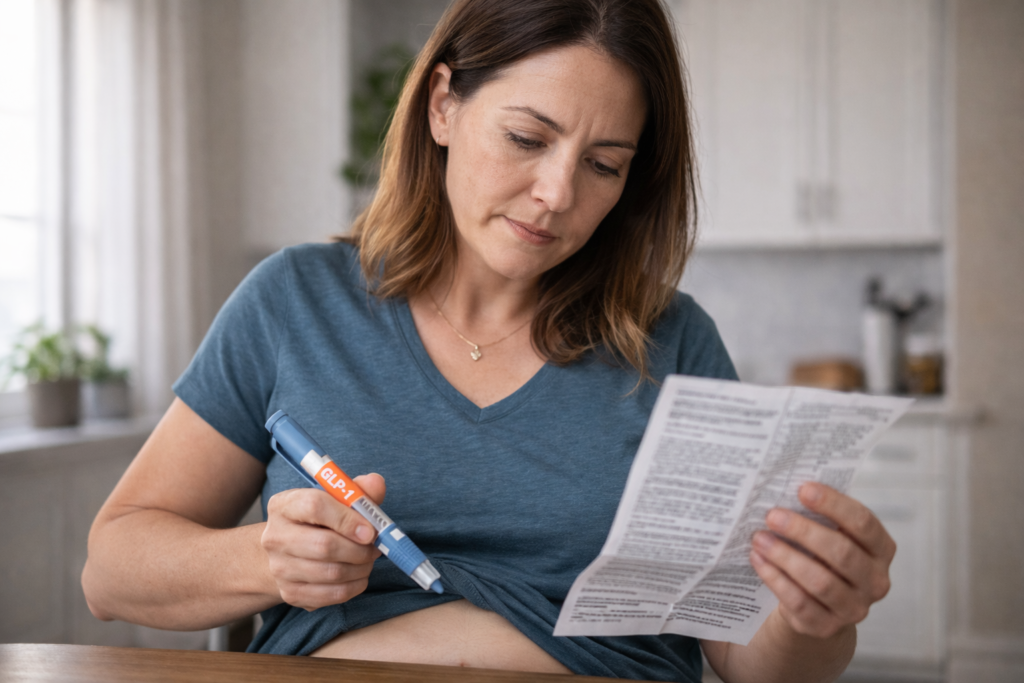
Benefits of GLP-1 Medications for Weight Loss
The biggest benefit is usually meaningful weight reduction over time. For some people, even moderate weight loss can improve blood pressure, blood sugar, energy levels, mobility, and confidence.
Possible benefits may include:
- lower appetite
- improved portion control
- better blood sugar support
- improved metabolic markers
- possible heart-health benefits in some patients
- support for long-term obesity treatment when combined with healthy habits
This is why doctors increasingly view obesity as a chronic condition that may need ongoing treatment, not just short bursts of dieting.
Common Side Effects to Know
The most common side effects are digestive. These often show up when a person first starts treatment or when the dose increases.
Common side effects may include:
- nausea
- vomiting
- diarrhea
- constipation
- stomach discomfort
- burping
- heartburn
- fatigue
For many people, these side effects improve over time. Eating smaller meals, avoiding greasy foods, slowing down when eating, and staying hydrated may help.
Still, there are cases where side effects become too difficult. That is why medical supervision matters.
Who Should Be Careful?
GLP-1 medications are not right for everyone. A health professional usually reviews your medical history, current medications, family history, and weight-related health concerns before prescribing one.
These drugs may not be suitable for people who:
- are pregnant or trying to become pregnant
- are breastfeeding
- have certain digestive issues
- have a personal or family history of medullary thyroid carcinoma
- have multiple endocrine neoplasia syndrome type 2
You should also be careful about buying these medications from unofficial online sellers. The FDA has warned about risks tied to unapproved or counterfeit GLP-1 products.
What to Expect When Starting
A lot of people expect dramatic weight loss in the first week. That is not the healthiest mindset. Most prescription plans use a gradual dose increase to help the body adjust and reduce side effects.
In the beginning, you may notice:
- less hunger
- earlier fullness
- smaller meal sizes
- mild nausea or digestive changes
The smartest approach is to focus on nutrition quality, not just eating less. That means prioritizing:
- protein
- fiber
- water
- balanced meals
- light to moderate physical activity
This matters because rapid weight loss without enough protein or strength activity may increase the risk of muscle loss.
The Lifestyle Piece Still Matters
This is where many people make mistakes. They assume the medicine replaces healthy habits. It does not.
GLP-1 medications work best when paired with:
- a reduced-calorie eating plan
- regular movement
- strength training when possible
- enough protein
- better sleep
- stress management
Without these habits, weight regain becomes more likely later. Even strong medications work better when the body is supported properly.
Are GLP-1 Medications Worth It?
That depends on the person. For someone with obesity, insulin resistance, high cardiovascular risk, or repeated weight regain, these medications may offer meaningful help. For someone looking for a cosmetic shortcut, the risks and costs may not be worth it.
The best candidates are usually people who need health improvement, not just a smaller number on the scale.
A good doctor will not only prescribe the medication. They will help you build a full plan around it.
Final Takeaway
GLP-1 medications for weight loss can be helpful tools for people dealing with obesity or weight-related health conditions. They work by reducing appetite, increasing fullness, and supporting better metabolic control. But they are not effortless fixes, and they are not for everyone.
The most successful results usually happen when medication is combined with smart nutrition, physical activity, realistic expectations, and ongoing medical follow-up. If used correctly, GLP-1 treatment may become part of a safer and more sustainable weight-loss journey.
FAQ
Are GLP-1 medications only for people with diabetes?
No. Some GLP-1-based medications are prescribed for chronic weight management in people with obesity or overweight plus a related health condition.
Do GLP-1 medications cause nausea?
They can. Nausea is one of the most common side effects, especially when starting or increasing the dose.
Can you regain weight after stopping GLP-1 medications?
Yes. Weight regain can happen if the medication is stopped and healthy habits are not maintained.
Are GLP-1 medications safe?
They can be safe for the right person under medical supervision, but they also come with side effects, warnings, and risks that should be reviewed with a doctor.
Author:
Zainab Warraich, BBA, ICS,
Zainab Warraich is a dedicated health and wellness writer who creates research-backed content on topics like weight loss, supplements, and metabolic health. Her work aims to provide clear, practical guidance supported by reliable information.