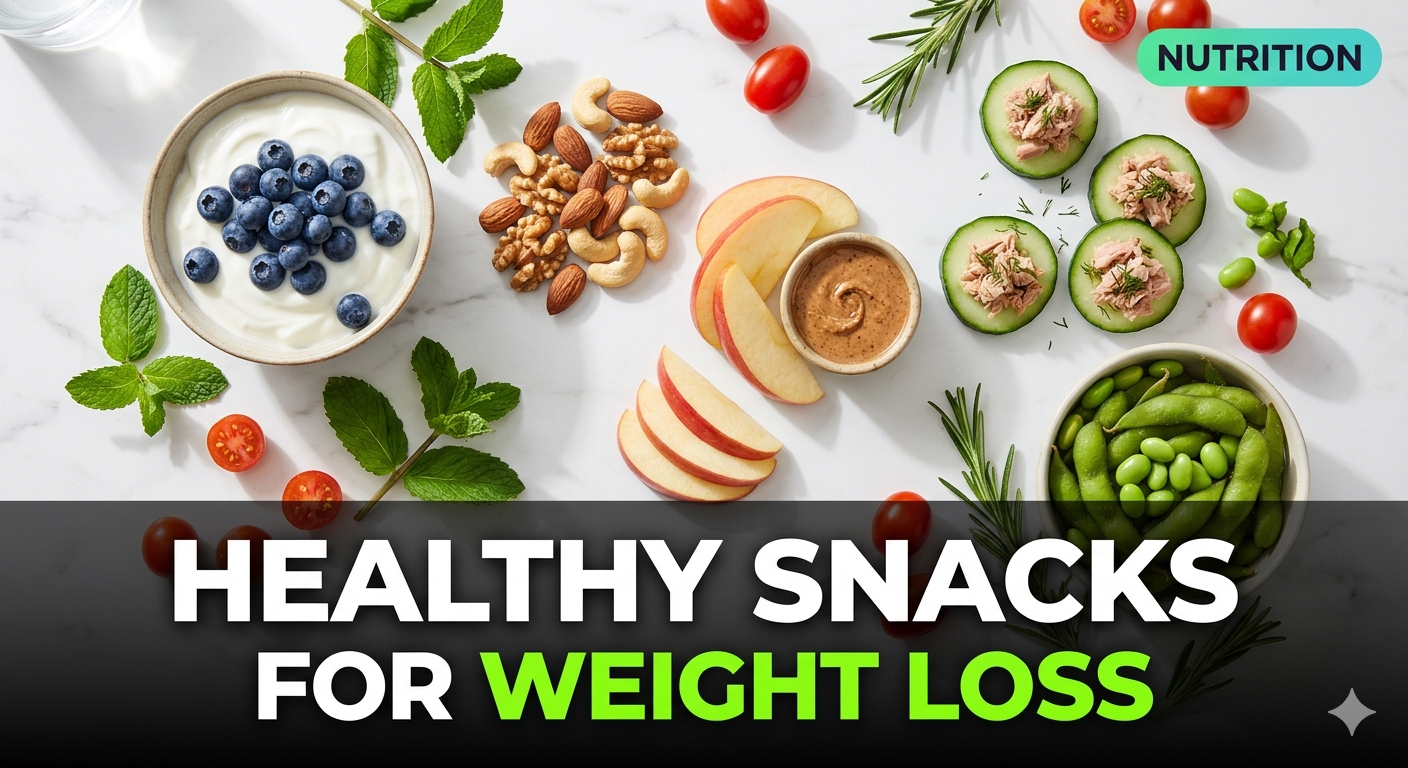
Snacking gets a bad reputation in the world of weight loss. And honestly, that reputation is mostly deserved when the snacks in question are bags of crisps, handfuls of biscuits, or whatever sugary thing happens to be within arm’s reach at three in the afternoon.
But here is what most people miss. The problem is never snacking itself. The problem is what people snack on and why they are snacking in the first place.
When chosen thoughtfully, healthy snacks for weight loss can actually make your fat loss journey significantly easier. They prevent the extreme hunger that causes overeating at main meals. They stabilize blood sugar between meals, which reduces cravings for processed and high-sugar foods. And they make a caloric deficit feel far more manageable when your next meal is hours away.
This guide gives you 15 of the best healthy snacks for weight loss, explains exactly why each one works, and shows you how to build smarter snacking habits that support your goals rather than quietly working against them.
Table of Contents
Why Smart Snacking Supports Weight Loss
There is a persistent belief in diet culture that eating fewer times per day is always better for weight loss. While meal frequency is not the most important factor in fat loss, which ultimately comes down to total calorie intake relative to expenditure, the timing and quality of what you eat between meals has a real impact on how well you manage hunger, energy, and food choices throughout the day.
When blood sugar drops too low between meals, the body sends powerful hunger signals that make it very difficult to choose the foods you planned to eat. The craving that arrives is not for a handful of almonds. It is for something fast, sweet, processed, and calorically dense. This is not a willpower failure. It is a hormonal response to low blood glucose that is deeply embedded in human biology.
A well-chosen healthy snack between meals prevents this drop from happening. It keeps blood sugar stable, maintains satiety, and ensures that by the time you sit down for your next meal you are moderately hungry rather than ravenous. Moderate hunger leads to measured eating. Ravenous hunger leads to overeating almost every time.
According to research published by the American Journal of Clinical Nutrition, high-protein snacks between meals significantly reduce hunger, improve satiety hormone responses, and reduce total daily caloric intake compared to high-carbohydrate or high-fat snacks of equivalent calories.
Smart snacking is not about eating more. It is about eating strategically.
What Makes a Snack Good for Weight Loss?
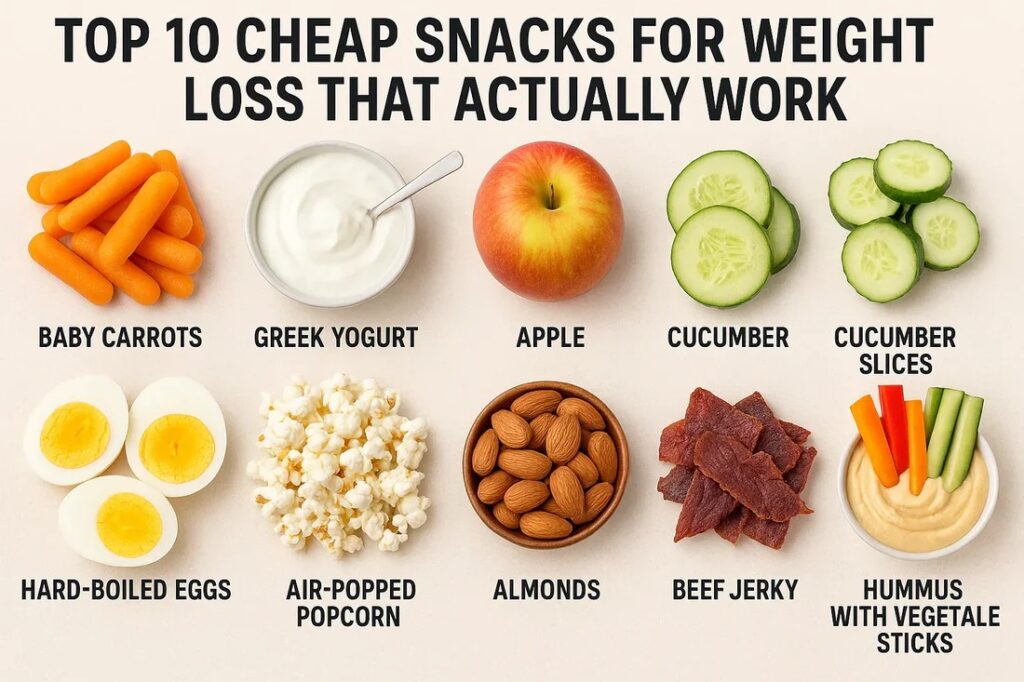
Not all snacks are created equal when weight loss is the goal. The characteristics that make a snack genuinely helpful rather than just another source of unnecessary calories are fairly consistent across the research.
High protein content is the most important characteristic. Protein is the most satiating macronutrient per calorie. It triggers the release of satiety hormones, suppresses ghrelin which is the hunger hormone, and has the highest thermic effect of any macronutrient meaning your body burns more calories digesting it than it does digesting fats or carbohydrates.
Adequate fiber is the second key characteristic. Fiber slows gastric emptying, meaning food stays in your stomach longer and keeps you feeling full for an extended period after eating. It also slows glucose absorption into the bloodstream, preventing the blood sugar spikes and crashes that drive cravings.
Moderate volume with reasonable calorie density matters too. A snack that fills a bowl and takes several minutes to eat satisfies the psychological need to eat in a way that a single small high-calorie food does not, even if the calorie counts are identical.
Low in added sugar and refined carbohydrates. Snacks high in sugar produce a rapid blood glucose spike followed by a crash that leaves you hungrier than before you ate. This is the mechanism behind the common experience of eating something sweet and feeling hungry again twenty minutes later.
A calorie range of 150 to 250 calories per snack is appropriate for most people aiming for weight loss. Enough to genuinely take the edge off hunger without making a meaningful dent in the caloric deficit you are working to maintain.
1. Greek Yogurt with Berries
Greek yogurt is one of the most nutritionally efficient snacks available for anyone focused on weight loss. A 150-gram serving of plain full-fat Greek yogurt provides approximately 15 to 17 grams of protein, meaningful amounts of calcium and probiotics, and roughly 130 to 150 calories.
The protein content alone makes it exceptional. Few other snack foods deliver that much protein at such low caloric cost.
Adding a small handful of mixed berries, blueberries, raspberries, or strawberries, contributes fiber, antioxidants, and natural sweetness that makes the snack genuinely satisfying without adding significant calories. A portion of berries adds roughly 30 to 50 calories and several grams of fiber.
The probiotics in Greek yogurt also support gut health, and the gut-brain connection that regulates appetite is an increasingly recognized factor in weight management. A healthy gut microbiome is associated with better appetite hormone signaling and improved metabolic function.
Choose plain Greek yogurt rather than flavored varieties. Flavored Greek yogurts often contain 15 to 25 grams of added sugar per serving, which largely cancels out the benefits and turns a genuinely healthy snack into something closer to dessert.
2. Hard Boiled Eggs
Hard boiled eggs are the original portable protein snack and they remain one of the best options available for weight loss.
A single large egg contains approximately 6 to 7 grams of complete protein, healthy fats from the yolk including choline which supports liver function and brain health, and only 70 to 80 calories. Two eggs make a satisfying snack of approximately 140 to 160 calories with 12 to 14 grams of protein.
Research published in the journal Nutrients found that egg-based breakfasts significantly reduced subsequent meal intake and improved satiety compared to carbohydrate-matched breakfasts. The same satiety mechanisms apply when eggs are consumed as a snack between meals.
Hard boiled eggs can be prepared in batches and stored in the refrigerator for up to one week, making them one of the most convenient and low-maintenance snack options for busy people. A light sprinkle of salt, a pinch of paprika, or a small amount of hot sauce is all they need to be genuinely enjoyable.
3. Apple with Almond Butter
This combination is a genuinely well-rounded snack for weight loss because it pairs the fiber and natural sweetness of fruit with the protein and healthy fat of nut butter in a way that produces extended satiety.
A medium apple provides approximately 95 calories and 4.5 grams of fiber. Apples have a high water content and volume relative to their calorie count, which contributes to fullness through stomach stretch receptors as well as through the fiber’s slowing effect on digestion.
One tablespoon of almond butter adds approximately 90 to 100 calories alongside 3 to 4 grams of protein and 9 grams of healthy monounsaturated fats. The fat slows the digestion of the apple’s natural sugars, preventing a blood glucose spike and extending the satiety window significantly compared to eating the apple alone.
The combination totals approximately 190 to 200 calories and provides fiber, protein, and healthy fat in a format that is portable, requires no preparation, and satisfies the psychological desire for something sweet without the blood sugar consequences of a processed snack.
Choose almond butter with no added sugar or oils. Many commercial nut butters contain hydrogenated oils and added sugar that undermine the nutritional profile considerably.
4. Cottage Cheese with Cucumber
Cottage cheese is one of the most underrated high-protein foods available, and it is spectacularly well-suited to weight loss snacking because of its extraordinarily high protein-to-calorie ratio.
A half-cup serving of low-fat cottage cheese provides approximately 14 grams of protein and only 80 to 90 calories. That protein content rivals Greek yogurt at an even lower caloric cost.
Cottage cheese is also rich in casein protein, which is a slow-digesting form of protein that provides a sustained amino acid release over several hours. This makes it particularly effective at maintaining satiety and preventing muscle breakdown between meals, especially when consumed as an afternoon snack or before sleep.
Pairing it with sliced cucumber adds volume, crunch, hydration, and a small amount of additional fiber while contributing almost no calories. The textural contrast between the creamy cottage cheese and the crisp cucumber also makes the snack more enjoyable and satisfying to eat.
Season with a pinch of black pepper, a little fresh dill, or a small drizzle of olive oil to add flavor without meaningfully increasing the calorie count.
5. A Handful of Mixed Nuts
Nuts have a somewhat complicated reputation in the weight loss world because of their high calorie density. A 30-gram portion of mixed nuts contains approximately 160 to 180 calories, which is more calorie-dense per gram than most snacks on this list.
And yet the research on nuts and weight management is consistently positive. Multiple large studies have found that people who regularly consume moderate amounts of nuts do not gain more weight than those who avoid them, and in many cases consume fewer total daily calories because of nuts’ exceptional satiety effects.
The combination of protein, healthy fats, and fiber in nuts produces a satiety response that is disproportionate to their calorie count. The fats in nuts slow gastric emptying significantly. The fiber adds physical bulk. And critically, research suggests that approximately 10 to 15 percent of the calories in nuts are not fully absorbed due to the structure of their cell walls, meaning the actual available calories are somewhat lower than labels suggest.
Almonds, walnuts, cashews, and pistachios are all excellent choices. Walnuts specifically are one of the richest plant-based sources of omega-3 fatty acids, which have anti-inflammatory benefits that support overall metabolic health. Read more about this in our article on omega-3 fatty acids benefits and food sources.
The key with nuts is portion control. A single measured handful, roughly 30 grams, is the appropriate snack portion. Eating from a large bag makes it very easy to consume three or four portions before noticing.
6. Hummus with Vegetable Sticks
Hummus is made primarily from chickpeas and tahini, giving it a reasonably good protein and fiber profile for a plant-based snack. Two tablespoons of hummus provide approximately 70 calories, 2 grams of protein, and 2 grams of fiber.
Paired with an assortment of raw vegetables including carrot sticks, celery, bell pepper strips, and cucumber rounds, the combination creates a genuinely substantial snack with satisfying crunch, varied flavors, and a total calorie count of approximately 120 to 150 calories depending on quantities.
The vegetables contribute significant additional fiber and water content that substantially increases the fullness of the snack relative to its calorie count. Bell peppers in particular are exceptionally high in vitamin C, which supports immune function and has been associated with better weight management outcomes in some research.
This snack also takes time to eat because of the multiple pieces of vegetables involved, which supports satiety through the time-based eating process. Eating slowly gives satiety hormones time to signal fullness before you have consumed more than you need.
7. Edamame
Edamame, which are young soybeans typically served lightly salted in their pods, is one of the most nutritionally impressive snacks on this entire list and one of the most underutilized by people focused on weight loss.
A half-cup serving of shelled edamame provides approximately 120 calories, 11 grams of complete plant protein, and 5 grams of fiber. That protein and fiber combination in a single small serving is genuinely remarkable and produces excellent satiety for the caloric cost.
Edamame is also one of the few plant foods that provides all nine essential amino acids, making it a complete protein source comparable in amino acid profile to animal proteins. For vegetarians and vegans trying to maintain adequate protein intake within a calorie deficit, edamame is particularly valuable.
Most supermarkets sell frozen edamame that can be microwaved from frozen in five minutes. A light sprinkle of sea salt or a squeeze of lemon is all it needs. It is fast, it is genuinely delicious, and it is one of the most efficient weight loss snacks available.
8. Rice Cakes with Avocado
Rice cakes alone are a nutritional near-zero contribution, providing mainly refined carbohydrate with minimal protein or fiber. They are also roughly 35 calories each, making them an extremely low-calorie vehicle for more nutritious toppings.
Topping two rice cakes with a quarter of a mashed avocado transforms them into a genuinely satisfying snack of approximately 150 to 160 calories. The avocado contributes healthy monounsaturated fats, a small amount of fiber, and potassium, and creates a creamy, filling texture that makes the snack feel more substantial than its calorie count suggests.
A light squeeze of lemon juice, a pinch of sea salt, and a few chili flakes elevate this snack from merely healthy to genuinely enjoyable. Adding a few cherry tomatoes on the side increases the fiber and volume further with minimal additional calories.
The satiety effect of avocado’s monounsaturated fat content makes this combination particularly effective at keeping hunger at bay for two to three hours, which is exactly the window a well-chosen snack needs to bridge.
9. Tuna on Cucumber Rounds
This is the highest protein-to-calorie snack on the entire list and deserves to be in the regular rotation of anyone serious about weight loss.
A single can of tuna in water, approximately 85 grams drained, provides around 20 to 25 grams of complete protein at approximately 100 calories. Spread across thick-sliced cucumber rounds, it creates a satisfying, refreshing, and genuinely filling snack with a total calorie count of roughly 110 to 120 calories.
The protein density of this snack is exceptional. Twenty-plus grams of protein at 110 calories is an outstanding ratio that makes it extremely effective at suppressing ghrelin and triggering satiety hormone release.
A small squeeze of lemon juice, a pinch of black pepper, and a tiny amount of light mayonnaise or Greek yogurt mixed into the tuna adds flavor and creaminess without dramatically increasing the calorie count. Tuna also provides meaningful amounts of omega-3 fatty acids and selenium, both of which support metabolic health.
For those concerned about mercury intake, canned light tuna has consistently lower mercury levels than albacore or solid white tuna and is considered safe for regular consumption by most health authorities.
10. Roasted Chickpeas
Roasted chickpeas have emerged as one of the most popular healthy snacks for weight loss in recent years, and for good reason. They satisfy the crunchy, savory snack craving that most processed snack foods target, but do so with dramatically better nutritional credentials.
A 30-gram serving of roasted chickpeas provides approximately 120 calories, 5 to 6 grams of plant protein, and 5 grams of fiber. The combination of protein and fiber produces meaningful satiety for a snack that feels indulgent and satisfying to eat.
You can make roasted chickpeas at home very easily. Drain and dry a can of chickpeas thoroughly, toss with a small amount of olive oil and your choice of seasoning, and roast at 200 degrees Celsius for 25 to 30 minutes until crispy. Paprika and garlic powder, cumin and chili, or cinnamon and a tiny amount of honey are all excellent flavoring combinations.
Store-bought roasted chickpea snacks are also widely available. Check the label and choose options with minimal added oil, no added sugar, and a short ingredient list.
11. String Cheese with Cherry Tomatoes
String cheese is a convenient, portable, portion-controlled protein and fat snack that travels easily and requires no preparation. A single stick of string cheese provides approximately 80 calories and 6 to 7 grams of protein.
Paired with a small punnet of cherry tomatoes, which contribute fiber, vitamin C, lycopene, and very few calories, the combination totals approximately 100 to 120 calories and provides a genuinely satisfying savory snack that takes several minutes to eat.
The portion-controlled nature of individually wrapped string cheese is one of its practical advantages. Unlike a block of cheese where it is very easy to cut a larger piece than intended, string cheese limits the portion naturally through its packaging.
This snack combination works particularly well for children as well as adults, travels easily in a bag or lunchbox, and requires no refrigeration for short periods making it practical for office or travel snacking.
12. Banana with Peanut Butter
A medium banana paired with one tablespoon of natural peanut butter is a well-rounded, energizing snack that works particularly well in the mid-morning or before exercise.
A medium banana provides approximately 105 calories and 3 grams of fiber alongside natural sugars, potassium, and magnesium. One tablespoon of natural peanut butter adds approximately 95 calories, 4 grams of protein, and 8 grams of healthy fat.
The total combination is approximately 200 calories, which is at the higher end of the snack range but entirely appropriate for active people or those who need a pre-workout energy source that will sustain them through a training session.
The fiber from the banana and the fat from the peanut butter slow the digestion of the banana’s natural sugars, preventing a sharp blood glucose spike and providing sustained energy release rather than a short-lived surge.
Choose peanut butter made with peanuts and salt only. Many commercial peanut butters contain palm oil and added sugar that increase calorie density and reduce the nutritional quality of what is otherwise an excellent snack food.
13. Chia Seed Pudding
Chia seed pudding requires some advance preparation but rewards the effort with one of the most filling and nutritionally complete snacks on this list.
Two tablespoons of chia seeds soaked overnight in 120 milliliters of unsweetened almond milk or skimmed dairy milk create a pudding-like texture through chia’s remarkable ability to absorb liquid and form a gel. This mixture provides approximately 130 to 150 calories depending on the milk used, 5 grams of protein, 10 grams of fiber, and meaningful amounts of calcium, magnesium, and omega-3 fatty acids.
The extraordinary fiber content of chia seeds, approximately 10 grams per 28-gram serving, is their most important characteristic for weight loss. This fiber creates significant physical bulk in the digestive tract and slows gastric emptying to a pronounced degree, producing a satiety effect that genuinely lasts for several hours.
A small drizzle of honey, a teaspoon of vanilla extract, or fresh berries stirred in before eating adds sweetness and flavor that makes this feel like a genuine treat rather than a diet obligation. Preparing four or five portions at once at the beginning of the week makes this the most convenient snack in your routine.
14. Celery with Cream Cheese
This is one of the lowest calorie snack combinations available while still providing genuine satisfaction through texture, flavor, and a meaningful protein contribution.
Four or five medium celery sticks provide approximately 25 to 30 calories and 1.5 grams of fiber. Celery’s high water content and significant physical volume make it surprisingly filling relative to its minimal caloric contribution.
Two tablespoons of light cream cheese add approximately 60 to 70 calories and 2 to 3 grams of protein, creating a combined snack of approximately 90 to 100 calories total.
This is not the most protein-dense option on the list but its extremely low calorie count makes it an excellent choice for people who want something to eat without significantly impacting their daily calorie budget, particularly in the evening when proximity to sleep means the calorie contribution matters more.
The crunchy texture of celery also takes more chewing effort than most snacks, which research suggests contributes to satiety through the physical process of mastication.
15. Dark Chocolate with Walnuts
This combination exists on this list because sustainable weight loss requires a snacking strategy that acknowledges the role of enjoyment and psychological satisfaction in long-term adherence.
A person who never allows themselves to enjoy food they genuinely love will not maintain any dietary approach for very long. Dark chocolate, specifically varieties with 70 percent or higher cocoa content, provides real nutritional value alongside the pleasure of eating something that feels indulgent.
Two squares of 70 to 85 percent dark chocolate provide approximately 100 calories alongside flavanols that support cardiovascular health, a modest amount of fiber, and magnesium. Paired with a small 15-gram portion of walnuts at approximately 100 calories, the total snack is approximately 200 calories with genuinely beneficial nutrients.
The fat content of both dark chocolate and walnuts slows digestion and extends satiety. The magnesium content of both foods supports sleep quality and stress regulation, both of which are directly connected to weight management outcomes. Read our article on magnesium for sleep to understand how this mineral influences both rest and appetite regulation.
This is not a snack to eat every day. It is one to enjoy two or three times per week as a genuinely satisfying end to an afternoon that keeps cravings for processed sweets at bay without derailing your calorie budget.
Use Our Free Tools to Stay on Track
Healthy snacking works best when it is part of a nutrition plan built around your personal calorie and macronutrient needs. These free tools on Vitality Nexus give you the real numbers you need.
Calculate Your Daily Calorie Target Understanding how many calories your snacks should contribute to your daily total requires knowing your personal calorie target. Use our Calorie Calculator to find the daily intake that supports your weight loss goal specifically.
Find Your TDEE Your Total Daily Energy Expenditure is the foundation of your calorie target. Use our TDEE Calculator to calculate how many calories your body actually burns each day so you know exactly how much of a deficit you are working with.
Check Your BMI Use our BMI Calculator to understand where your current weight sits relative to healthy ranges and set a meaningful target for your weight loss journey.
Find Your Ideal Weight Use our Ideal Weight Calculator to establish a realistic and healthy goal weight for your specific height, age, and body type.
Calculate Your BMR Your Basal Metabolic Rate tells you how many calories your body burns at rest, which is the starting point for building any effective nutrition plan. Use our BMR Calculator to find your personal baseline.
Track Your Body Fat Percentage Weight loss progress is best measured in body composition changes rather than scale weight alone. Use our Body Fat Calculator to track how your fat-to-muscle ratio shifts as your snacking and nutrition habits improve.
Optimize Your Sleep Poor sleep disrupts the hunger hormones leptin and ghrelin, making you significantly hungrier than your actual calorie needs require. Use our Sleep Calculator to protect the sleep that keeps your appetite in proper balance and makes smart snacking choices far easier.
How to Build a Snacking Habit That Supports Weight Loss
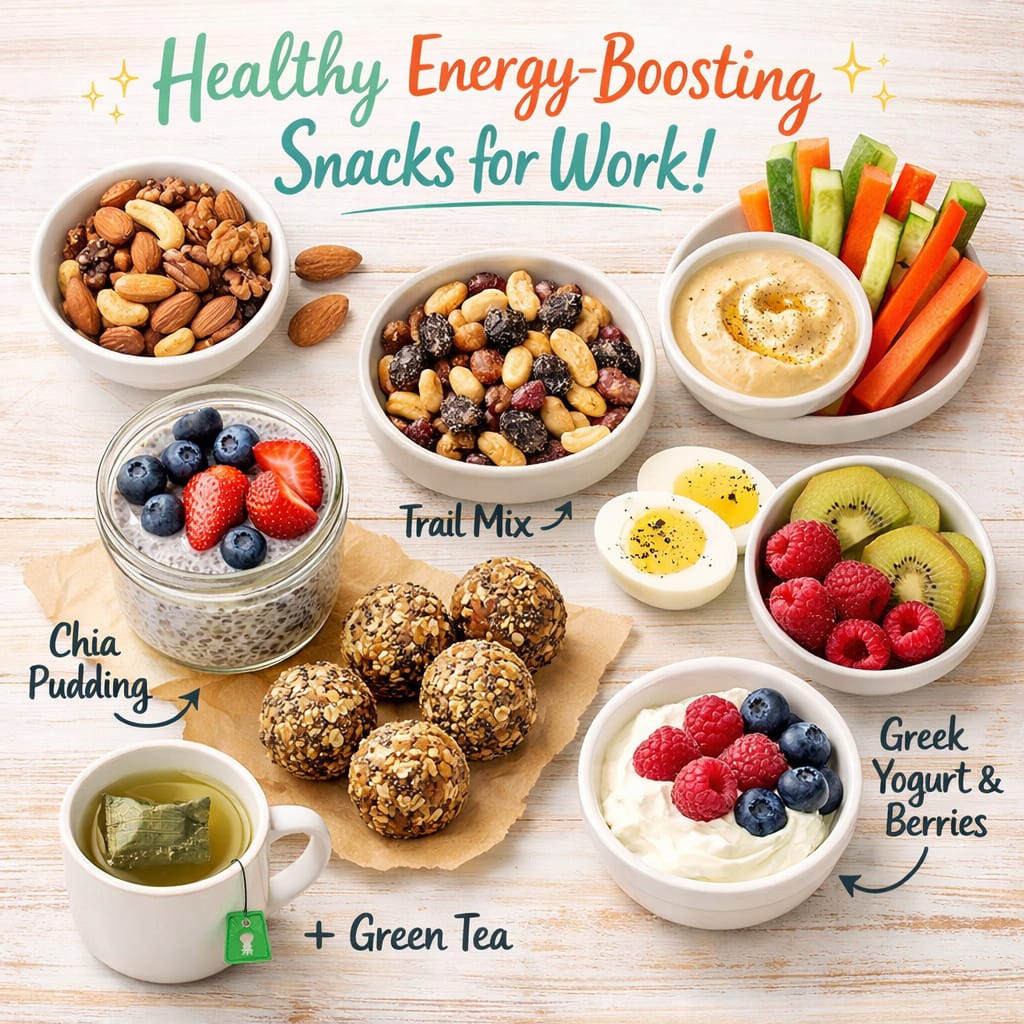
Having a list of great snack options is useful. Knowing how to incorporate them into a daily routine that actually supports your weight loss goals is what makes the difference between occasional good choices and a genuinely sustainable dietary approach.
Plan your snacks in advance. The worst snacking decisions are made when you are already hungry and looking for something to eat. Deciding the night before or at the start of the week exactly what your snacks will be, preparing them where possible, and having them accessible removes the in-the-moment decision-making that leads to poor choices.
Eat snacks at consistent times rather than reactively. Two planned snack windows, typically mid-morning between breakfast and lunch, and mid-afternoon between lunch and dinner, work well for most people. Eating at consistent times prevents the deep hunger that drives overeating and helps regulate hunger hormone patterns over time.
Distinguish between genuine hunger and other reasons to eat. Many snacking occasions are driven by boredom, stress, habit, or the mere presence of food rather than actual physical hunger. Before reaching for a snack, pause and assess honestly whether you are genuinely hungry or responding to a different trigger. If the driver is stress, anxiety, or emotional discomfort, read our article on natural ways to reduce anxiety for healthier strategies to address those triggers directly.
Keep healthy snack options visible and accessible while keeping less helpful options out of immediate sight. Research consistently shows that food visibility is one of the strongest predictors of food consumption. A bowl of fruit on the counter and pre-portioned nuts in a clear container at eye level in the fridge dramatically increases the likelihood of choosing these options over less healthy alternatives.
For a comprehensive look at how nutrition connects to sustainable weight loss and overall health, read our articles on healthy fat loss and sustainable weight loss strategies and how many calories should I eat.
Snacks to Avoid When Trying to Lose Weight
Knowing what to eat is valuable. Knowing what to avoid is equally important because several commonly consumed snacks are actively counterproductive to weight loss despite appearing superficially harmless.
Flavored rice cakes and low-fat crackers look like diet foods but are essentially refined carbohydrates with minimal protein or fiber. They spike blood glucose quickly and leave you hungrier within thirty to forty-five minutes than before you ate them.
Fruit juice and smoothies, even those made entirely from whole fruit, concentrate the natural sugars of multiple pieces of fruit into a liquid that takes seconds to consume and provides essentially no satiety despite a significant calorie contribution. Eating whole fruit rather than drinking it is nutritionally far superior for weight loss purposes.
Granola bars and protein bars that are marketed as health foods frequently contain 20 to 30 grams of added sugar alongside processed ingredients that provide a blood glucose spike similar to a chocolate bar. Read labels carefully. If sugar appears in the first three ingredients or the total sugar content exceeds 10 grams, it is unlikely to serve your weight loss goals.
Trail mix from supermarkets is frequently loaded with chocolate chips, sweetened dried fruit, and heavily salted nuts that collectively provide 300 to 400 calories in a quantity that does not satisfy hunger meaningfully. Portion-controlled mixed nuts without added sweeteners are a far superior alternative.
Low-fat or diet versions of traditional snack foods like chips, biscuits, and flavored popcorn replace fat with refined carbohydrates, artificial sweeteners, or additional sodium. They are rarely as satisfying as their full-fat counterparts and frequently trigger cravings for more food rather than reducing them.
FAQ
1. What are the best healthy snacks for weight loss?
The most effective healthy snacks for weight loss combine high protein content, meaningful fiber, and moderate calorie density. Greek yogurt with berries, hard boiled eggs, tuna on cucumber rounds, cottage cheese with vegetables, and edamame consistently rank among the best options because of their exceptional protein-to-calorie ratios and satiety-promoting combinations of macronutrients.
2. How many calories should a weight loss snack be?
A snack of 150 to 250 calories is appropriate for most people with weight loss goals. This range is sufficient to meaningfully reduce hunger and prevent blood sugar drops between meals without contributing enough calories to significantly impact a caloric deficit. People with higher total calorie targets, such as active individuals, can snack at the higher end of this range or slightly above it.
3. How often should I snack when trying to lose weight?
One to two planned snacks per day works well for most people. A mid-morning snack between breakfast and lunch, and a mid-afternoon snack between lunch and dinner, are the most commonly beneficial timing windows. Snacking in response to genuine hunger rather than on a rigid schedule is a more intuitive approach that works well once you have developed awareness of your hunger signals.
4. Are nuts good snacks for weight loss despite being high in fat?
Yes. Despite their relatively high calorie density, research consistently shows that regular moderate consumption of nuts does not cause weight gain and is associated with improved satiety and total daily calorie control. The protein, fiber, and fat combination in nuts produces a satiety response disproportionate to their calorie count. The key is portion control, specifically a 30-gram measured portion rather than eating directly from the bag.
5. Is fruit a good snack when trying to lose weight?
Yes, particularly whole fruit rather than fruit juice or dried fruit. Whole fruit provides water, fiber, and natural sweetness in a combination that produces genuine satiety at relatively low calorie cost. Pairing fruit with a protein or fat source such as nut butter, Greek yogurt, or a small portion of cheese extends its satiety effect significantly by slowing sugar absorption.
6. What should I snack on at night without gaining weight?
Lighter, protein-focused snacks work best in the evening when proximity to sleep means you want to avoid anything that significantly elevates blood glucose or makes sleep uncomfortable. Cottage cheese, a small portion of Greek yogurt, a boiled egg with a few cucumber slices, or celery with a light cream cheese are all good evening snack options that support satiety, provide protein for overnight muscle repair, and do not disrupt sleep.
7. Can snacking actually help with weight loss?
Yes, when the snacks chosen are high in protein and fiber and eaten in response to genuine hunger rather than emotional triggers. Well-chosen snacks prevent the extreme hunger that causes overeating at main meals, stabilize blood sugar between meals which reduces cravings for processed foods, and make a caloric deficit feel more manageable by distributing food intake more evenly throughout the day.
Conclusion
The idea that snacking is the enemy of weight loss is simply not supported by the evidence when the snacks in question are thoughtfully chosen. The right healthy snacks for weight loss do not undermine your goals. They actively support them by keeping hunger manageable, blood sugar stable, and cravings for processed food at bay.
The fifteen options in this guide give you a complete toolkit of satisfying, nutritious, and genuinely enjoyable snacks that fit a weight loss calorie budget without making your eating plan feel like deprivation.
Plan your snacks in advance. Prepare them where you can. Keep the good options visible and accessible. And use the free tools at Vitality Nexus to make sure your snacking fits within a calorie target that is aligned with your specific weight loss goal.
Explore our full nutrition and supplements resources and weight loss section for more comprehensive guidance on building the dietary habits that produce lasting results.
Eating well and losing weight do not have to be in conflict. With the right snacks in your routine, they genuinely work together.