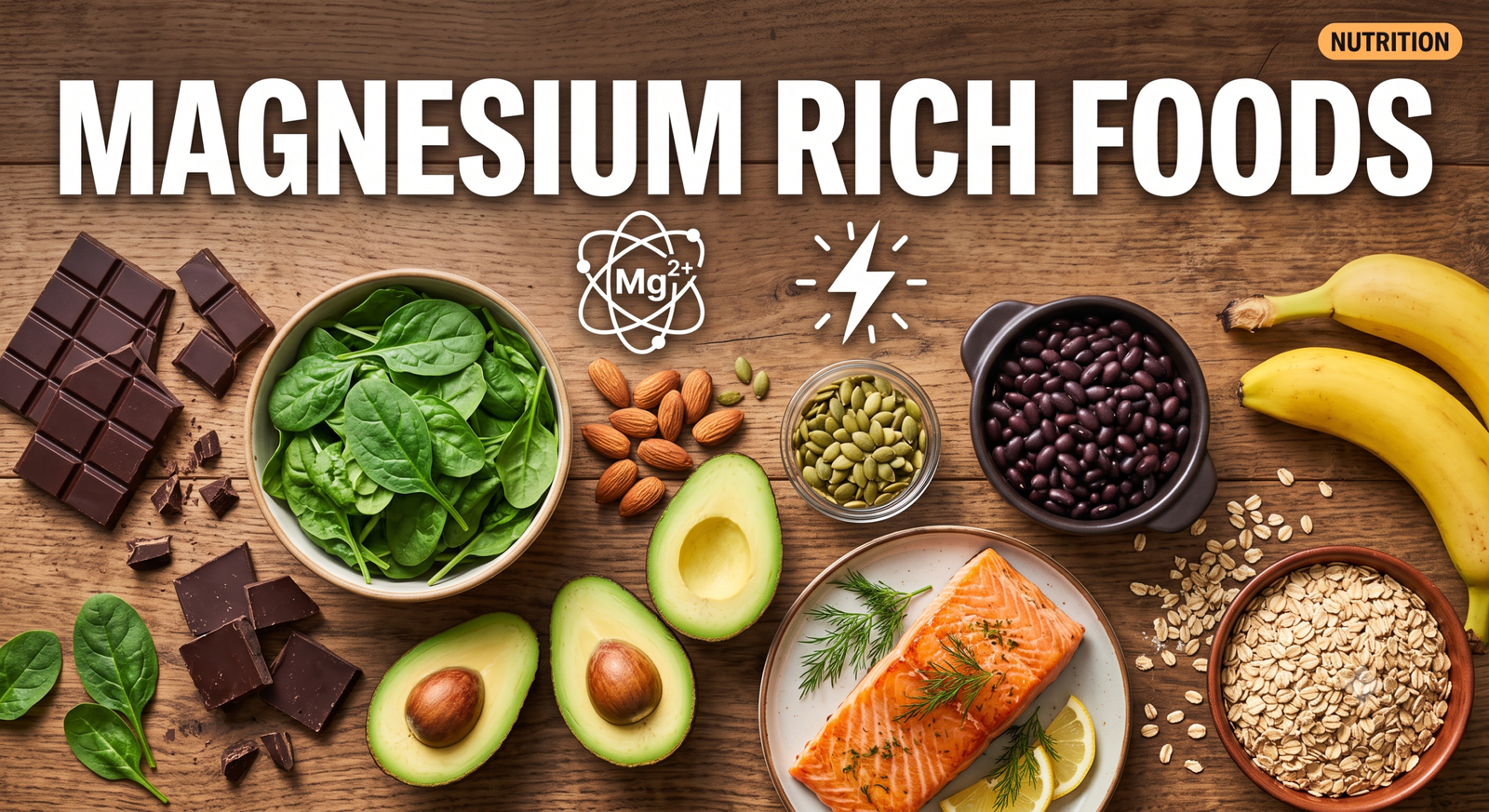
If you often feel tired, struggle to sleep, get frequent headaches, or notice muscle cramps that come and go, magnesium rich foods might be the simplest fix you have not tried yet. Magnesium is one of the most important minerals in the human body, and it is also one of the most commonly depleted.
Despite being involved in over 300 biological processes, magnesium rarely gets the attention it deserves. Most people have never been tested for it, and many are quietly running low without connecting their symptoms to this one missing nutrient.
In this guide, you will learn the 12 best magnesium rich foods, why magnesium matters so much for your health, how much you need each day, the warning signs of deficiency, and practical ways to eat more of it starting today.
Table of Contents
Why Magnesium Matters More Than You Think
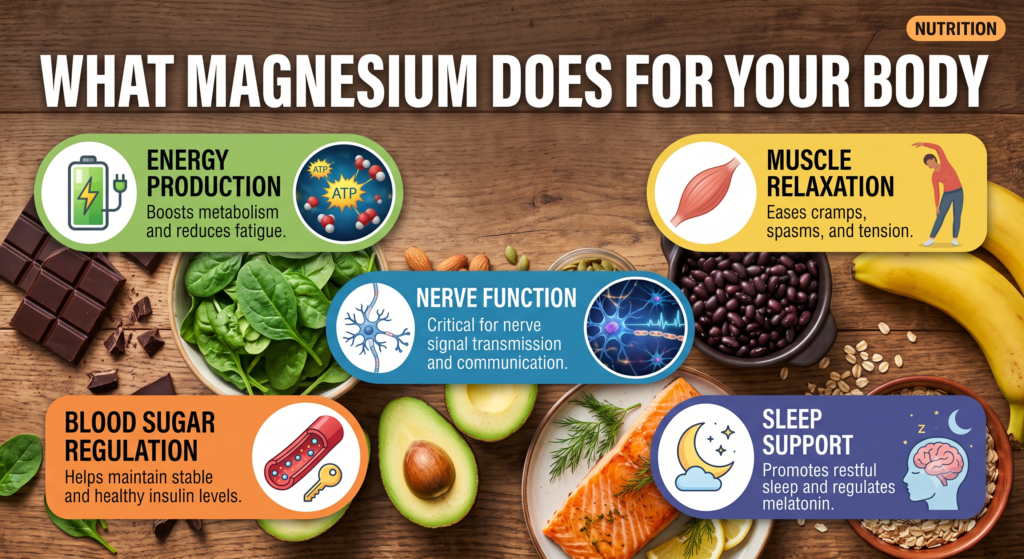
Magnesium is involved in more biological processes than almost any other mineral. It activates enzymes that produce energy, regulates nerve signals and muscle contractions, controls blood sugar and blood pressure, supports protein synthesis, and is required for converting vitamin D into its active form in the body.
Your heart, muscles, bones, and brain all depend on steady magnesium levels to function properly. Yet surveys consistently find that large portions of the population in developed countries do not meet the recommended daily intake through diet alone.
Several factors accelerate depletion. Chronic stress causes the body to excrete magnesium more rapidly through urine. Heavy alcohol consumption, certain medications including diuretics and proton pump inhibitors, high sugar diets, and intense exercise all lower magnesium levels. People with type 2 diabetes lose more magnesium through urine due to elevated blood sugar, which creates a cycle where low magnesium worsens insulin resistance and insulin resistance worsens magnesium loss.
According to the National Institutes of Health, magnesium is essential for hundreds of enzymatic reactions and plays a direct role in energy production, protein synthesis, muscle and nerve function, blood glucose control, and blood pressure regulation. Getting enough through magnesium rich foods is one of the most straightforward investments in long-term health.
Signs You Might Need More Magnesium Rich Foods
Magnesium deficiency develops gradually and produces a wide range of symptoms that are easy to attribute to other causes. Knowing the signs helps you connect the dots faster.
The most common early signs include persistent fatigue that does not improve with rest, muscle cramps and twitches particularly in the legs at night, headaches and migraines, difficulty falling or staying asleep, heightened anxiety or restlessness, and a general feeling of tension or irritability.
As deficiency progresses, more noticeable symptoms can develop including irregular heartbeat, numbness or tingling, and worsening blood sugar control. For women, low magnesium specifically worsens PMS symptoms including cramps, mood changes, and bloating, since magnesium supports progesterone production and relaxes smooth muscle.
Our articles on magnesium for sleep and magnesium benefits, deficiency, and food sources cover these connections in much greater depth if you want to explore them further.
12 Best Magnesium Rich Foods to Add to Your Diet
Here are the 12 best magnesium rich foods, chosen for their magnesium content, bioavailability, and how easy they are to incorporate into everyday meals.
1. Pumpkin Seeds
Pumpkin seeds top the list as one of the single most concentrated magnesium rich foods available. A 30-gram handful delivers around 150 milligrams of magnesium, which is roughly 35 percent of the recommended daily intake for an adult. They also bring zinc, healthy fat, and protein.
Sprinkle them over oats, salads, or yogurt. Roast them with a little salt as a snack. Add them to smoothies or baked goods. They are one of the easiest high-magnesium additions you can make.
2. Dark Leafy Greens (Spinach, Kale, Swiss Chard)
Leafy greens are among the most nutrient-dense magnesium rich foods. Cooked spinach delivers around 78 milligrams per half cup, making it a strong daily contributor. Swiss chard and kale offer similar amounts alongside iron, folate, and antioxidants.
Because magnesium in leafy greens is bound to chlorophyll, light cooking actually improves how much your body can absorb compared to eating them completely raw.
3. Dark Chocolate
Good-quality dark chocolate with at least 70 percent cocoa is a genuinely useful magnesium source, providing around 64 milligrams per 28-gram serving. It also offers antioxidant flavanols that support cardiovascular health.
A small square or two of dark chocolate is a satisfying way to add magnesium while also managing sweet cravings. Milk chocolate does not offer the same benefit due to its lower cocoa content and higher sugar level.
4. Almonds
Almonds are one of the most practical magnesium rich foods because they require no preparation and travel easily. A 30-gram handful provides around 80 milligrams of magnesium alongside protein, vitamin E, and healthy fat.
Other nuts also contribute meaningfully. Cashews provide around 74 milligrams per 30 grams, and Brazil nuts deliver both magnesium and selenium in a small serving.
5. Avocado
One medium avocado provides roughly 58 milligrams of magnesium alongside healthy monounsaturated fat, potassium, and fiber. The fat in avocado also helps with the absorption of fat-soluble vitamins that work alongside magnesium.
Adding avocado to meals is one of the easiest ways to boost magnesium while simultaneously improving the nutritional quality of everything else on the plate.
6. Black Beans and Legumes
Black beans, kidney beans, chickpeas, and lentils are all strong magnesium rich foods. Cooked black beans provide around 60 milligrams per half cup, and lentils offer similar amounts alongside a high-fiber, high-protein profile that supports blood sugar control.
Legumes are particularly valuable as a magnesium source for vegetarians and plant-based eaters, since they do not rely on animal products.
7. Whole Oats
Oats are a practical, affordable, and widely eaten magnesium rich food. One cup of dry oats contains roughly 140 milligrams of magnesium. They also deliver beta-glucan fiber that supports cholesterol and blood sugar, making them one of the most nutritionally dense breakfast choices available.
Steel-cut and rolled oats both provide magnesium. Instant oats still contribute but often contain added sugar that undermines the overall health benefit.
8. Salmon and Fatty Fish
Salmon and mackerel provide around 26 to 30 milligrams of magnesium per 100-gram serving alongside omega-3 fatty acids, protein, and vitamin D. The combination of nutrients in fatty fish makes them particularly valuable for anyone dealing with inflammation, hormonal imbalance, or poor sleep.
Our article on omega-3 fatty acids and food sources explains why pairing magnesium-rich foods with omega-3 sources creates especially strong anti-inflammatory effects.
9. Bananas
Bananas are often associated with potassium, but they are also a useful magnesium rich food. One medium banana provides around 32 milligrams of magnesium alongside natural sugars, fiber, and vitamin B6.
They make an easy, portable snack that contributes to daily magnesium intake with no preparation required, and they pair well with nut butter for a more protein and fat balanced option.
10. Tofu and Edamame
Tofu is a surprisingly strong magnesium source, with around 53 milligrams per 100-gram serving. Edamame, young soybeans, delivers roughly 60 milligrams per half cup. Both are complete plant proteins and excellent choices for vegetarians looking to increase magnesium from whole food sources.
11. Quinoa
Quinoa stands out among grains as a complete protein and a meaningful magnesium rich food. One cooked cup provides around 118 milligrams of magnesium alongside all nine essential amino acids, fiber, and iron. Replacing white rice with quinoa at dinner is a simple swap that meaningfully raises magnesium intake.
12. Whole Wheat and Brown Rice
Whole grains retain the bran and germ layers where magnesium is concentrated. Refined white flour and white rice lose most of their magnesium during processing. Two slices of whole wheat bread contribute around 46 milligrams, while one cup of cooked brown rice provides roughly 84 milligrams.
Choosing whole grain options over refined versions is one of the most consistent and effortless ways to increase magnesium from everyday eating.
How Much Magnesium Do You Need Daily?
The recommended daily intake for magnesium varies by age and sex. Adult men need around 400 to 420 milligrams per day. Adult women need around 310 to 320 milligrams, rising to 350 to 360 milligrams during pregnancy.
Most people eating a typical processed-food diet fall short of these targets. The good news is that adding just a few of the magnesium rich foods above consistently throughout the day covers most of the gap without requiring any supplements.
To keep your overall nutrition on track, our free calorie calculator helps you find your daily food intake target and the BMI calculator gives a clear picture of your overall health status as your diet improves.
How to Absorb More Magnesium From Food
Eating magnesium rich foods is the first step. Getting your body to absorb as much as possible is the second.
Phytates, found in whole grains and legumes, bind to magnesium and reduce how much your gut absorbs. Soaking and cooking these foods reduces their phytate content and improves bioavailability. Sprouting grains, nuts, and seeds has a similar effect.
Vitamin D and magnesium work together. Vitamin D requires magnesium to be converted to its active form, and low vitamin D impairs magnesium absorption. Our article on vitamin D deficiency symptoms explains how closely these two nutrients are interlinked.
Reducing alcohol intake, managing chronic stress, and avoiding very high supplemental doses of calcium and zinc all protect magnesium status over time. These factors that deplete magnesium matter as much as how much you eat.
Magnesium Rich Foods for Specific Health Goals
Different health goals have different reasons to prioritize magnesium rich foods. Here is how magnesium connects to the areas that matter most.
For better sleep, magnesium activates the parasympathetic nervous system and regulates the neurotransmitters that prepare the brain for sleep. People with low magnesium consistently report worse sleep quality, and supplemental or dietary magnesium has been shown to reduce the time it takes to fall asleep. Pairing magnesium rich foods with a calming evening routine produces the best results.
For stress and anxiety management, magnesium regulates the hypothalamic-pituitary-adrenal axis, the system that controls the stress response. Low magnesium makes the stress response more reactive and harder to switch off. Chronic stress then depletes magnesium further, creating a feedback loop. Daily magnesium from food breaks this cycle gently and consistently.
For heart health, magnesium relaxes blood vessel walls, supports healthy blood pressure, and reduces arrhythmia risk. Our guide on heart healthy habits includes magnesium as one of the key nutritional supports for cardiovascular health.
For blood sugar control, magnesium improves insulin sensitivity and helps cells respond to insulin more effectively. People with type 2 diabetes have significantly lower magnesium levels on average, and adequate dietary magnesium is associated with lower diabetes risk. Our article on foods that lower blood sugar covers how magnesium-containing foods fit into a blood-sugar-friendly diet.
For women’s hormonal health, magnesium supports progesterone production, reduces menstrual cramps by relaxing uterine muscle, eases PMS symptoms, and helps regulate the cortisol levels that disrupt hormonal balance. It is one of the most broadly beneficial nutritional priorities for women.
According to Harvard Health, most people can meet their magnesium needs through a varied diet that regularly includes nuts, seeds, whole grains, and leafy greens. Supplements are an option when dietary intake is consistently low, but food sources remain the safest and most effective long-term approach.
Track Your Nutrition and Health
Building magnesium rich foods into your daily meals works best as part of an overall nutrition plan rather than as an isolated fix. When your whole diet is balanced, you naturally cover magnesium alongside the other nutrients it works with.
Use our free calorie calculator to find your daily intake target, the TDEE calculator to understand your energy needs, and the BMI calculator to track your overall health progress over time. These tools give you the numbers to build a confident, informed eating plan.
Frequently Asked Questions
What foods are highest in magnesium?
Pumpkin seeds, dark leafy greens like spinach, almonds, dark chocolate, black beans, whole oats, and quinoa are among the highest in magnesium. Just a handful of pumpkin seeds provides around 35 percent of the adult daily requirement.
How do I know if I am low in magnesium?
Common signs include persistent fatigue, muscle cramps particularly at night, poor sleep, frequent headaches, anxiety or restlessness, and irritability. A blood test can confirm deficiency, though serum magnesium tests do not always reflect true body stores accurately.
Can I get enough magnesium from food alone?
Yes, for most healthy adults a varied diet that regularly includes nuts, seeds, whole grains, leafy greens, and legumes covers daily magnesium needs without supplementation. People under high stress, those with digestive conditions, or those taking certain medications may need additional support.
What blocks magnesium absorption?
Phytates in whole grains and legumes, very high calcium or zinc supplements taken at the same time, alcohol, chronic stress, and certain medications including diuretics and proton pump inhibitors all reduce magnesium absorption or increase magnesium excretion.
Is magnesium good for sleep?
Yes. Magnesium activates calming neurotransmitters, regulates melatonin, and relaxes the nervous system in ways that support falling and staying asleep. People with low magnesium consistently report worse sleep quality, and increasing intake often produces noticeable improvements.
Which is better, magnesium from food or supplements?
Food comes first. Magnesium from whole foods is packaged with co-factors that improve absorption and comes without the risk of taking too much. Supplements are useful when dietary intake is consistently low, but the right form matters. Magnesium glycinate and magnesium citrate are among the best-absorbed supplement forms.
Do bananas have a lot of magnesium?
Bananas are a useful contributor but not a top source. One medium banana provides around 32 milligrams, which is about 8 to 10 percent of the daily requirement. They are a good daily addition but work best alongside the higher-magnesium options like pumpkin seeds, spinach, and almonds.
Final Thoughts
Magnesium rich foods are some of the most broadly beneficial additions you can make to your diet. Pumpkin seeds, spinach, almonds, dark chocolate, black beans, and oats give you a steady supply of this essential mineral while also supporting your energy, sleep, stress resilience, heart health, and blood sugar at the same time.
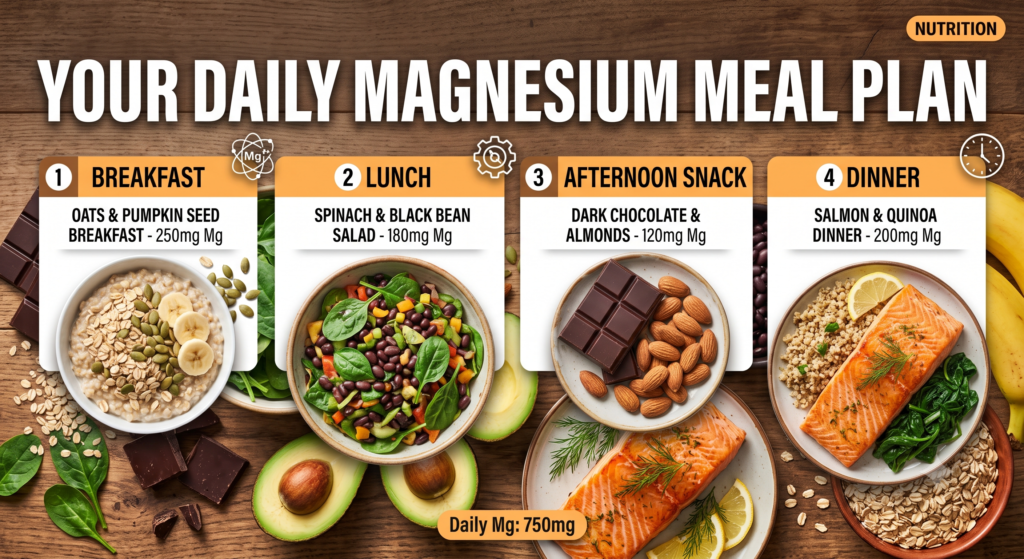
Start by adding one or two sources to your daily routine. A handful of almonds as a snack, spinach in your eggs, or a square of dark chocolate after dinner are all small habits that compound into meaningfully better magnesium status over weeks and months.
Explore more of our nutrition guides on Vitality Nexus to keep building a diet that covers the nutrients your body needs to function at its best every day.
Medical Disclaimer: This article is for general information only and is not medical advice. If you suspect you have a magnesium deficiency or a health condition affecting your nutrient absorption, please consult a qualified doctor before taking supplements.