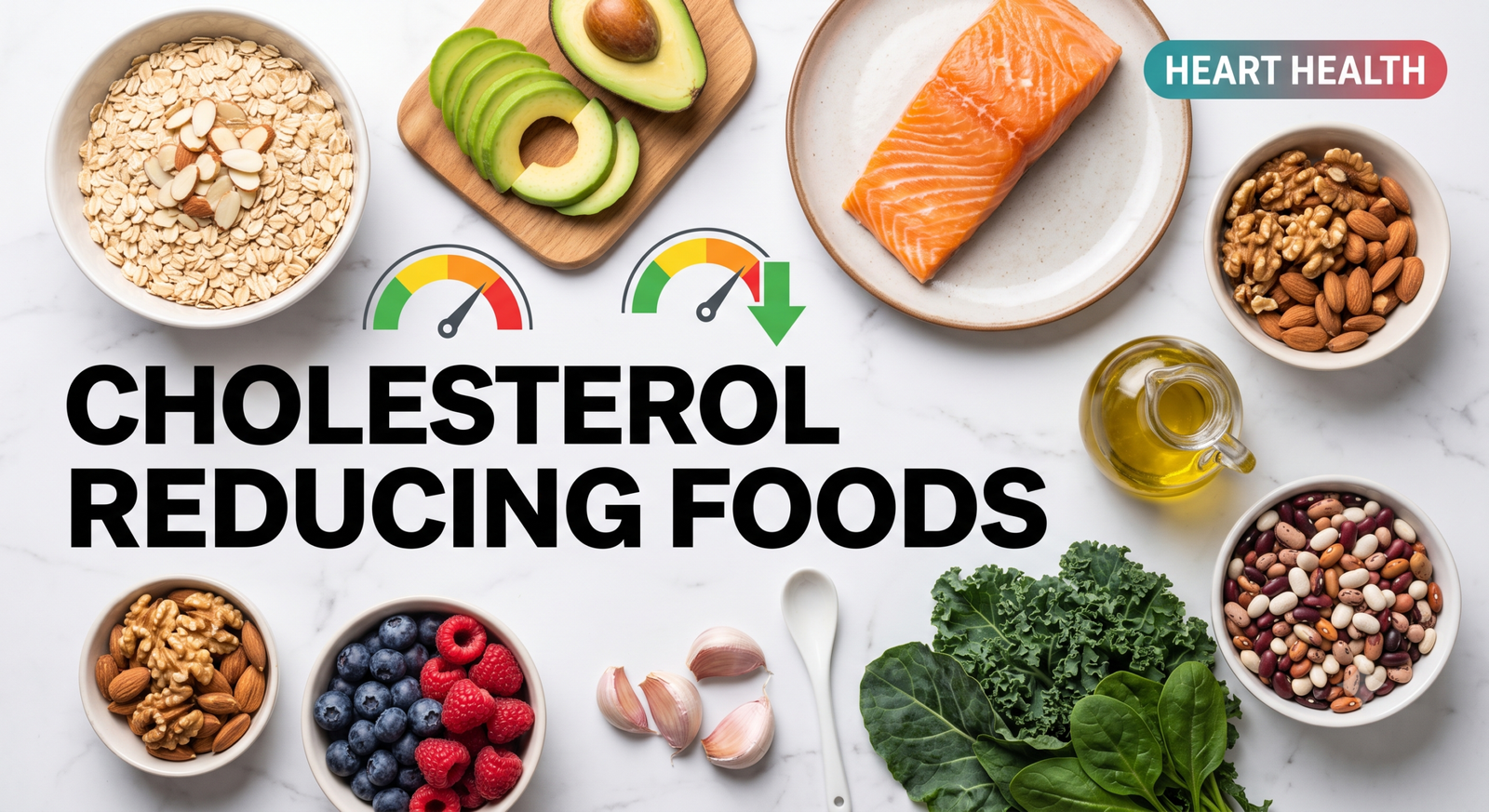
If your doctor has flagged your cholesterol, the first and most effective step is looking at what you eat. Cholesterol reducing foods are not about bland salads and suffering through tasteless meals. They are about smart, delicious swaps that your heart will genuinely thank you for.
High LDL cholesterol is one of the biggest risk factors for heart disease and stroke, yet many people can meaningfully improve their numbers through diet alone before ever needing medication. The right foods work by blocking cholesterol absorption, clearing it from the blood, or reducing the inflammation that makes it dangerous.
In this guide, you will find 12 of the best cholesterol reducing foods, how each one works, practical ways to eat them, and the foods to cut back on. Small, consistent changes add up to real, measurable results over a few weeks.
Table of Contents
What Is Cholesterol and Why Does It Matter?
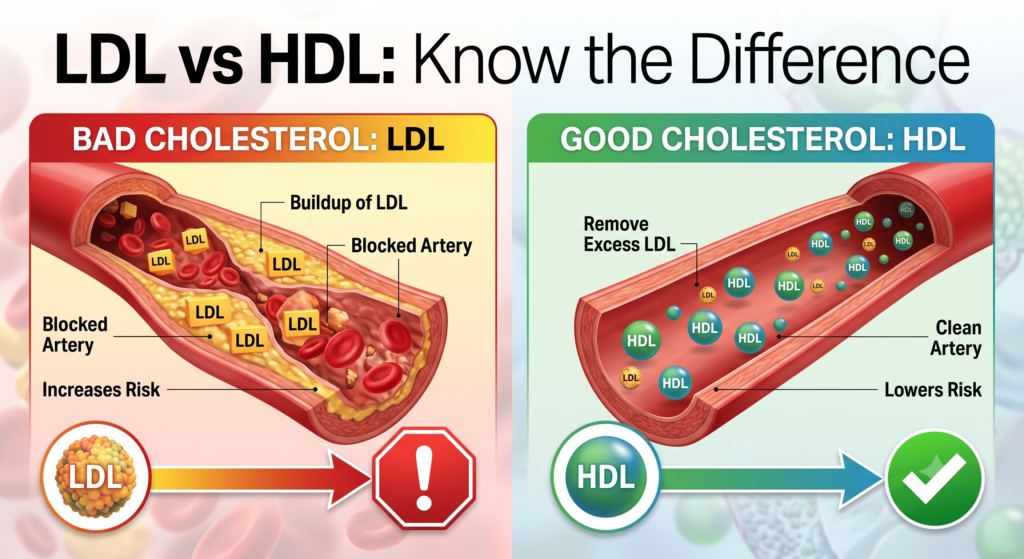
Cholesterol is a waxy substance your body produces naturally. You need some of it to build cells and make hormones. The problem starts when there is too much of the wrong kind in your blood.
LDL, known as low-density lipoprotein, is the type most associated with plaque buildup in arteries. When LDL stays too high for too long, it silently narrows blood vessels and raises the risk of heart attack and stroke. HDL, or high-density lipoprotein, does the opposite. It helps carry cholesterol away from the arteries and back to the liver, which is why a higher HDL number is good.
Your diet directly shapes both of these numbers. Saturated and trans fats raise LDL. Fiber, healthy fats, and certain plant compounds lower it. According to the American Heart Association, replacing saturated fats with healthier options is one of the most impactful changes you can make for your cardiovascular risk.
To understand how cholesterol connects to your overall heart health picture, our guide on heart healthy habits explains the full lifestyle approach.
How Cholesterol Reducing Foods Actually Work
Not all cholesterol reducing foods work the same way. Some block how much cholesterol your gut absorbs. Others bind to bile acids and force your liver to use cholesterol to make more, pulling it from your blood. Some simply reduce the inflammation that makes LDL dangerous in the first place.
Soluble fiber is the backbone of most cholesterol reducing foods. It forms a thick gel in your digestive tract that traps cholesterol and bile acids, carrying them out of your body before they can be absorbed. Omega-3 fatty acids lower triglycerides and reduce artery inflammation. Plant sterols and stanols, found naturally in nuts, seeds, and vegetable oils, compete with cholesterol for absorption and block it effectively.
Knowing this makes your food choices feel purposeful rather than restrictive. Each item on the list below is working for your heart in a specific, proven way.
12 Best Cholesterol Reducing Foods
Here are the 12 most effective cholesterol reducing foods, chosen for their evidence base and real-world practicality.
1. Oats
Oats are the gold standard of cholesterol reducing foods. They contain beta-glucan, a powerful soluble fiber that forms a gel in your gut and pulls LDL out of your system. Just one and a half cups of cooked oatmeal a day can produce measurable results within weeks.
Steel-cut or rolled oats work best. Skip the instant flavored packets, since they often contain added sugar that undermines the benefit.
2. Fatty Fish
Salmon, mackerel, sardines, and trout are loaded with omega-3 fatty acids that lower triglycerides and reduce artery inflammation. Two to three servings per week is the commonly recommended target.
For a deeper look at why omega-3 fats are so important for heart and metabolic health, our article on omega-3 fatty acids and food sources covers everything you need to know.
3. Avocado
Avocados are rich in monounsaturated fat, the same heart-friendly fat in olive oil. Research shows that swapping saturated fat for avocado can lower LDL while keeping or raising HDL. Spread it on toast, slice it into salads, or eat it alongside eggs.
4. Nuts
Almonds, walnuts, and pistachios all reduce LDL when eaten regularly in small portions. They bring healthy fat, plant sterols, and fiber together in one convenient package. A small daily handful, around 30 grams, is enough to make a difference without adding too many calories.
5. Beans and Legumes
Kidney beans, black beans, lentils, and chickpeas are rich in soluble fiber and plant protein. They slow digestion, reduce cholesterol absorption, and keep you full, which also helps with the weight management that supports better cholesterol levels.
6. Olive Oil
Replacing butter or vegetable oils with extra-virgin olive oil shifts your fat intake toward monounsaturated fat, which lowers LDL without touching HDL. Use it for cooking, dressing salads, and drizzling over vegetables.
7. Garlic
Garlic has been used medicinally for centuries, and the research on its cholesterol-lowering properties is promising. Regular consumption may modestly reduce total and LDL cholesterol while offering anti-inflammatory benefits.
8. Berries
Strawberries, blueberries, and raspberries provide antioxidants that protect LDL particles from oxidizing, which is the step that makes cholesterol truly dangerous to artery walls. Add them to oats, yogurt, or eat them as a snack.
9. Flaxseeds
Ground flaxseeds deliver soluble fiber and plant-based omega-3s in a small, versatile package. Stir them into yogurt, blend them into smoothies, or sprinkle them over oats for an easy daily boost.
10. Green Tea
Green tea is rich in catechins, antioxidant compounds that have been shown to modestly lower LDL in several studies. Replacing sugary drinks with two to three cups of green tea daily is a simple, enjoyable swap.
11. Dark Leafy Greens
Spinach, kale, and Swiss chard bind bile acids in the digestive tract, helping remove cholesterol from the body. They also provide folate and antioxidants that protect the arteries. Aim to include them at least once a day.
12. Dark Chocolate and Cocoa
This one surprises people. Cocoa flavanols can raise HDL, reduce LDL oxidation, and lower blood pressure. The key is choosing dark chocolate with at least 70 percent cocoa and sticking to a small square or two. Milk chocolate with added sugar does not offer the same benefit.
Cholesterol Reducing Foods: What to Avoid
Building in the good is only half the job. Cutting back on certain foods makes cholesterol reducing foods work faster and more effectively.
Saturated fat is the main dietary driver of high LDL. It is found in fatty cuts of red meat, full-fat dairy, butter, and tropical oils like palm and coconut. You do not need to eliminate these completely, but reducing them significantly makes a real difference. Trans fats, found in some processed and fried foods, are even more harmful and should be avoided entirely.
Refined carbohydrates and added sugar raise triglycerides and lower HDL, worsening your overall cholesterol picture. White bread, pastries, sugary drinks, and heavily processed snacks all push your numbers in the wrong direction. Our guide on how to reduce sugar cravings can help if sweet foods are a regular struggle.
How to Build a Cholesterol-Friendly Plate
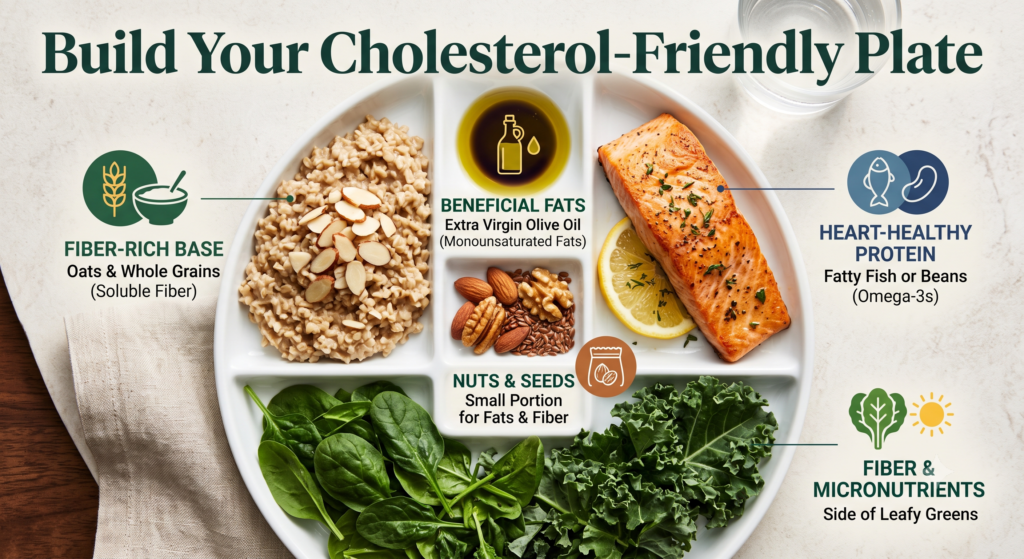
Building meals around cholesterol reducing foods does not have to feel complicated. A simple structure makes it second nature.
Start with a fiber base at every meal. Oats at breakfast, beans or lentils at lunch, leafy greens at dinner. Then add a quality protein, especially fatty fish a few times a week. Use olive oil as your main cooking fat. Snack on nuts and fruit rather than packaged options.
This framework naturally crowds out the saturated fat and refined carbs that raise LDL, while delivering the fiber, healthy fat, and antioxidants your arteries need. Meal prepping a batch of lentils, hard-boiled eggs, or roasted vegetables at the start of the week makes staying on track far easier.
For a complete plan that ties diet, movement, and weight together, our healthy fat loss strategies guide covers how each element supports the others.
Simple Daily Habits That Lower Cholesterol
Food is the strongest lever, but a few daily habits amplify the effect of cholesterol reducing foods significantly.
Regular physical activity raises HDL and helps clear triglycerides. Even a 30-minute daily walk produces measurable improvements over weeks. Our article on the benefits of walking daily shows exactly what consistent movement does for your cardiovascular system.
Maintaining a healthy weight reduces LDL production and improves the ratio of good to bad cholesterol. Managing stress also matters, since chronic stress raises cortisol and can indirectly worsen cholesterol levels. Sleep plays a role too, with poor rest linked to higher triglycerides and lower HDL over time.
According to Harvard Health, combining several of these lifestyle factors together produces significantly better results than diet alone. Each habit reinforces the others in a positive cycle.
Track Your Progress and Heart Health
Knowing your numbers is what turns good intentions into real accountability. A simple blood panel that measures your total cholesterol, LDL, HDL, and triglycerides gives you a clear before-and-after picture.
Most people see meaningful changes in their cholesterol levels within six to eight weeks of consistent dietary changes. Track your progress at regular doctor visits, and use the results to stay motivated.
For your broader health picture, use our free BMI calculator to monitor weight changes that influence cholesterol, and our calorie calculator to make sure your overall diet supports heart health. The TDEE calculator helps you understand your energy needs so you can plan satisfying, cholesterol-friendly meals without guesswork.
Frequently Asked Questions
What are the best cholesterol reducing foods?
Oats, fatty fish, avocado, nuts, beans, olive oil, and leafy greens are among the most effective. They work by delivering soluble fiber, healthy fats, and plant compounds that lower LDL and protect artery walls.
How quickly can food lower cholesterol?
Most people see measurable improvements in LDL within six to eight weeks of consistent dietary changes. Adding soluble fiber and reducing saturated fat produces the fastest results.
Can eating oats really lower cholesterol?
Yes. Oats contain beta-glucan, a soluble fiber with strong evidence for lowering LDL. Just one and a half cups of cooked oatmeal a day can make a real difference within a few weeks of regular eating.
What foods raise cholesterol that I should avoid?
Saturated fats from fatty meats, full-fat dairy, and butter are the main culprits. Trans fats in processed and fried foods are even more harmful. Refined carbs and added sugar also worsen your overall cholesterol profile.
Is olive oil good for cholesterol?
Yes. Extra-virgin olive oil is rich in monounsaturated fat, which lowers LDL without reducing HDL. Replacing butter and processed oils with olive oil is one of the simplest and most impactful swaps you can make.
Do nuts raise or lower cholesterol?
Regular nut consumption lowers LDL. Their combination of healthy fat, fiber, and plant sterols makes them genuinely beneficial for cholesterol, as long as you keep portions to a small handful to avoid excess calories.
Can I lower my cholesterol without medication?
Many people with mildly to moderately elevated cholesterol can improve their numbers significantly through diet, exercise, and lifestyle changes. Whether medication is needed depends on your individual risk and numbers, so discuss options with your doctor.
Final Thoughts
Cholesterol reducing foods are among the most practical and powerful tools you have for protecting your heart. Oats, fatty fish, avocado, nuts, beans, and olive oil are not just healthy in a general sense. They specifically target LDL, raise HDL, and reduce the artery inflammation that makes cholesterol dangerous.
Start with one or two changes this week. Swap your breakfast cereal for oats. Add a handful of nuts as a snack. Use olive oil instead of butter. These small, consistent shifts compound into lower numbers and a healthier heart over weeks and months.
Explore more of our heart health guides on Vitality Nexus to keep building a diet and lifestyle that protects your cardiovascular health at every age.
Medical Disclaimer: This article is for general information only and is not medical advice. If you have high cholesterol or heart disease, please consult a qualified doctor before making significant changes to your diet or stopping any medication.