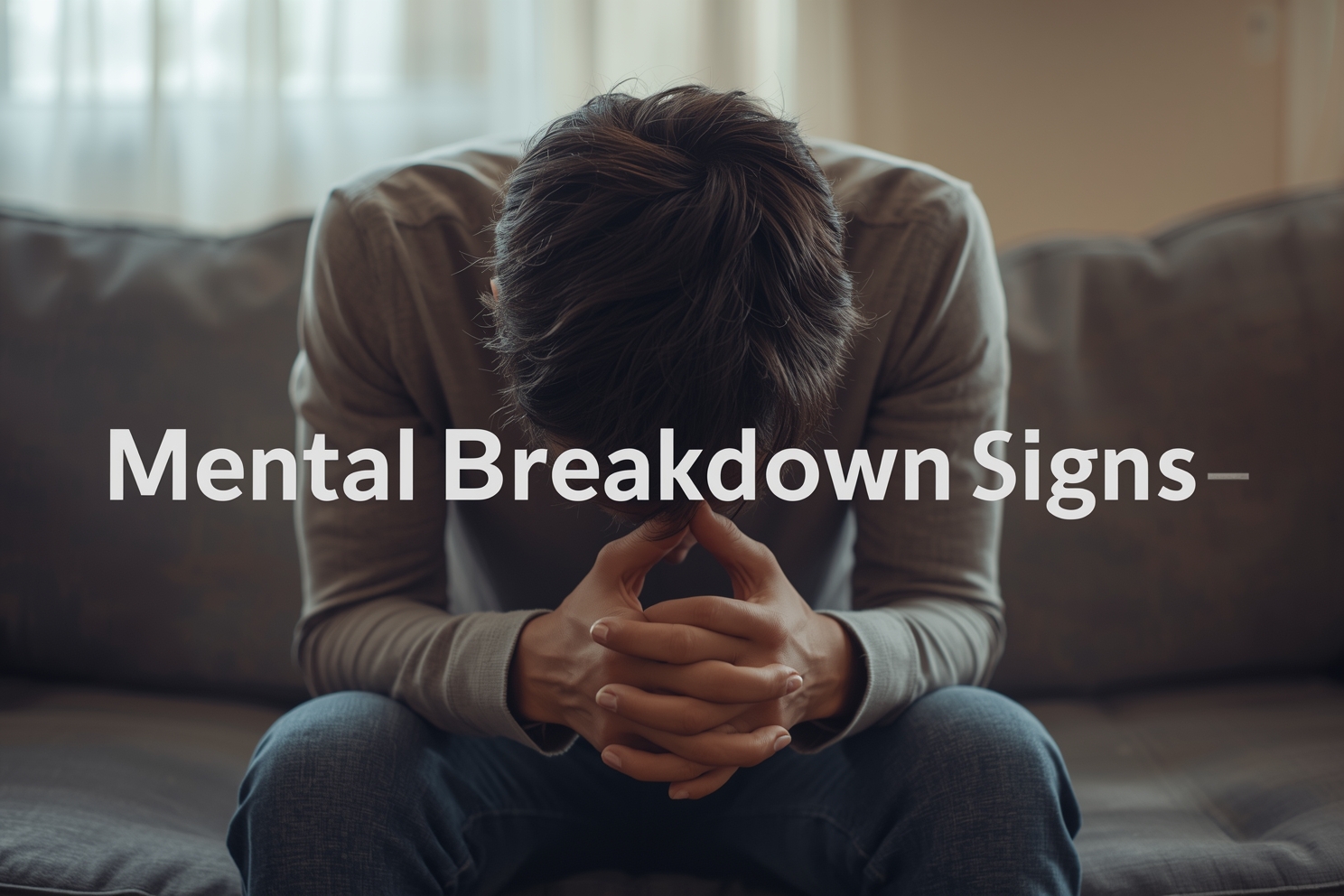
Feeling overwhelmed is something most people experience. But sometimes, stress builds up so much that the body and mind simply reach a breaking point. Recognizing the signs of a mental breakdown early can make a huge difference in how quickly someone recovers and gets back to feeling like themselves again.
A mental breakdown, sometimes called a nervous breakdown, is not a clinical diagnosis. However, it is a very real experience. It signals that a person’s emotional, mental, or physical resources have been pushed beyond their limit. If you or someone you love has been struggling with extreme stress, emotional numbness, or unexplained physical symptoms, this article will help you understand what’s happening and what to do next.
Table of Contents
What Is a Mental Breakdown?
A mental breakdown refers to a period of intense mental and emotional distress. During this time, a person may find it almost impossible to function in daily life. Work, relationships, and basic self-care can all fall apart.
The term “nervous breakdown” is older and less precise. Mental health professionals today prefer terms like mental health crisis or acute stress response. However, the experience is widely recognized and taken seriously.
It is important to understand that a mental breakdown is a symptom, not a diagnosis. It often signals an underlying condition such as anxiety disorder, depression, burnout, or PTSD.

Early Signs of a Mental Breakdown
Catching a mental breakdown before it fully sets in gives you the best chance at recovery. The early signs of a mental breakdown can be subtle at first. Many people dismiss them as just “feeling stressed.”
Here are the most common early warning signs:
1. Persistent Exhaustion
You feel tired no matter how much sleep you get. This type of exhaustion is different from regular tiredness. It is deep, draining, and does not go away with rest.
2. Withdrawal from Social Life
You stop responding to messages. You cancel plans. Being around people feels unbearable or impossible. This social withdrawal is one of the clearest early signs of a mental breakdown.
3. Difficulty Concentrating
Simple tasks take much longer than usual. You forget things easily. You read the same paragraph five times without absorbing it.
4. Increased Anxiety or Worry
You feel on edge all the time. Small problems feel catastrophic. Your mind races, and you cannot calm it down.
5. Mood Swings
You go from feeling okay to deeply sad or furious in a matter of minutes. These mood changes feel out of control and unpredictable.
6. Feeling Detached from Reality
Some people describe feeling like they are watching their own life from the outside. This is called depersonalization and is a serious early sign that should not be ignored.
Physical Signs You Should Not Ignore
Mental health does not exist in isolation. The body often signals distress before the mind fully acknowledges it. These physical signs of a mental breakdown are frequently overlooked:
- Headaches or migraines that keep coming back
- Chest tightness or rapid heartbeat with no cardiac cause
- Digestive problems like nausea, diarrhea, or stomach cramps
- Sleep disruptions, either sleeping too much or barely sleeping at all
- Muscle tension or pain, especially in the neck and shoulders
- Skin flare-ups like eczema or psoriasis are triggered by stress
- Changes in appetite, either losing interest in food or overeating
If you are experiencing several of these symptoms together, your body may be telling you something important.

Emotional and Behavioral Warning Signs
Beyond the early signs, a full mental breakdown often comes with more intense emotional and behavioral changes. These include:
- Crying often without a clear reason
- Paranoia or feeling like others are against you
- Neglecting personal hygiene and basic care
- Inability to perform basic work or household tasks
- Extreme helplessness or hopelessness
- Flashbacks or intrusive thoughts (especially linked to trauma)
- Increased alcohol or substance use as a coping mechanism
- Thoughts of self-harm or suicide this requires immediate professional help
It is crucial to take these signs seriously, both in yourself and in others. A person experiencing a mental breakdown is not weak. They are overwhelmed, and they need support.
For a deeper look at how burnout and mental exhaustion are connected, read our guide on mental drain, burnout causes, symptoms, and solutions.
Common Causes of a Mental Breakdown
Understanding the causes can help you recognize your own risk. A mental breakdown rarely happens suddenly. It builds over time. Common triggers include:
Chronic Stress
Long-term stress from work, finances, or relationships is the leading cause. The body can handle short bursts of stress. However, when stress becomes constant, the system eventually collapses.
Grief and Loss
Losing a loved one, a relationship, or even a job can trigger a mental health crisis. Grief that goes unprocessed tends to resurface in destructive ways.
Trauma
Experiencing or witnessing a traumatic event, such as abuse, violence, or accidents, can overwhelm the nervous system and lead to a breakdown.
Burnout
Burnout from overworking, caretaking, or constantly sacrificing personal needs is a major factor. It often goes unrecognized until a breakdown occurs.
Underlying Mental Health Conditions
Conditions like anxiety, depression, PTSD, and bipolar disorder increase the risk. A breakdown can sometimes be the first clear signal that one of these conditions exists.
Poor Sleep and Nutrition
Chronic sleep deprivation and nutritional deficiencies weaken the mind’s resilience. For example, magnesium plays a key role in sleep and stress regulation. Learn more in our article on magnesium for sleep.
Who Is at Risk?
A mental breakdown can affect anyone. However, certain groups carry a higher risk:
- People with a history of depression, anxiety, or trauma
- Caregivers and healthcare workers
- Those going through major life transitions (divorce, job loss, bereavement)
- Individuals with poor support systems
- People who suppress emotions regularly
- Those experiencing physical illness or chronic pain
Women may also be more likely to recognize and report symptoms earlier, which can actually lead to faster recovery. For more on how stress affects women specifically, visit our article on its effects on women’s reproductive health.
Use Our Tools to Support Your Mental Wellness
Mental health and physical wellness are deeply connected. When you are under extreme stress, your body suffers; your sleep quality drops, your metabolism slows, and your energy crashes.
Use Our Sleep Calculator to Optimize Your Rest
Poor sleep is both a cause and a symptom of mental health struggles. Use our Sleep Calculator to find your ideal bedtime and wake time based on your natural sleep cycles. Better sleep can dramatically reduce anxiety and improve emotional resilience.
Use Our BMR Calculator to Support Your Energy Levels
When you are in crisis, eating well often falls apart. Use our BMR Calculator to understand how many calories your body needs at rest, so you can maintain baseline nutrition even on your hardest days.
These simple tools take less than two minutes to use and can be a meaningful starting point for rebuilding your physical and mental health.

How to Recover from a Mental Breakdown
Recovery from a mental breakdown is absolutely possible. It takes time, but with the right support and habits, most people fully regain their well-being. Here is a practical, step-by-step recovery approach:
Step 1: Acknowledge What Is Happening
The first step is honesty. Admitting that you are not okay is not failure — it is courage. Denying the signs of a mental breakdown only makes recovery longer.
Step 2: Seek Professional Help
A therapist, psychologist, or psychiatrist can provide proper assessment and support. Cognitive Behavioral Therapy (CBT) and trauma-focused therapy are particularly effective.
Step 3: Reduce or Remove Major Stressors
Identify what is draining you most. Take a leave from work if possible. Set firm boundaries. Say no to additional responsibilities during your recovery period.
Step 4: Prioritize Sleep
Sleep is when the brain heals. Aim for 7 to 9 hours per night. Avoid screens an hour before bed. Keep your sleep schedule consistent.
Step 5: Nourish Your Body
Eat balanced, nutrient-rich meals. Certain deficiencies, especially in magnesium, vitamin D, and omega-3 fatty acids, are directly linked to mood and mental health. Learn more about omega-3 fatty acids and their benefits.
Step 6: Move Your Body
Exercise is one of the most evidence-based treatments for anxiety and depression. Even a short daily walk can significantly shift your mood. Read our article on morning vs. night walks for weight loss and wellness to find what works best for you.
Step 7: Rebuild Your Support Network
Talk to people you trust. Join a support group. Isolation slows recovery. Connection speeds it up.
Step 8: Practice Mindfulness
Meditation, deep breathing, and journaling help calm the nervous system. Even five minutes of focused breathing can lower cortisol levels measurably.
When to See a Doctor
Some situations require immediate professional attention. Do not wait if you or someone you know is experiencing:
- Thoughts of suicide or self-harm
- Inability to eat, sleep, or perform basic functions for several days
- Hallucinations or severe disconnection from reality
- Extreme panic attacks that do not subside
- Signs of psychosis
In these cases, contact a mental health crisis line, go to the nearest emergency department, or call emergency services.
You can also explore our full mental health awareness and emotional wellness guide for additional support and resources.
Internal Resources to Explore
If you found this article helpful, you may also want to read:
- Depression: Symptoms, Causes, and Treatment
- Insomnia: Symptoms, Causes, and Treatment
- Low Cortisol vs High Cortisol: Understanding the Difference
- Healthy Lifestyle Habits for Energy, Focus, and Productivity
FAQ Signs of a Mental Breakdown
1. What are the first signs of a mental breakdown?
The earliest signs of a mental breakdown usually include persistent exhaustion, difficulty concentrating, increased anxiety, withdrawal from social activities, and unpredictable mood swings. These symptoms often appear gradually before a full crisis develops.
2. How long does a mental breakdown last?
The duration varies. Some people recover in a few days with rest and support. Others may need several weeks or months, especially if there is an underlying condition. Seeking professional help early significantly shortens recovery time.
3. Can stress alone cause a mental breakdown?
Yes. Prolonged, unmanaged stress is one of the leading causes of a mental breakdown. When stress accumulates without relief, the mind and body eventually reach their limit and begin to shut down in protective ways.
4. Is a mental breakdown the same as a nervous breakdown?
The terms are often used interchangeably. “Nervous breakdown” is an older, informal term. “Mental breakdown” or “mental health crisis” are more current and slightly more accurate descriptions of the same experience.
5. Can you recover fully from a mental breakdown?
Absolutely. With proper support therapy, lifestyle changes, social connections, and rest, most people recover completely. Many even emerge with better self-awareness and stronger mental boundaries than before.
6. How do I help someone showing signs of a mental breakdown?
Listen without judgment. Encourage them to seek professional help. Help with practical tasks if possible (meals, errands). Avoid dismissing their experience or telling them to “just calm down.” Your presence and consistency are powerful.
7. Are there supplements that help with mental health recovery?
Some supplements, such as magnesium, vitamin D3 with K2, and omega-3 fatty acids, have strong evidence supporting their roles in mood regulation and stress recovery. Always consult a healthcare provider before starting any supplement. Read more: 7 Types of Magnesium and Their Benefits.
Conclusion
Knowing the signs of a mental breakdown can be genuinely life-saving for yourself or for someone you love. The key is awareness, early action, and compassionate support. A breakdown is not the end. It is often the beginning of a deeper understanding of your own needs and limits.
Take care of your sleep. Nourish your body. Seek professional support without shame. And use every resource available to you, including the tools on Vitality Nexus, to rebuild your strength, one small step at a time.
If you are in crisis right now, please reach out to a mental health professional or contact your national crisis hotline immediately.